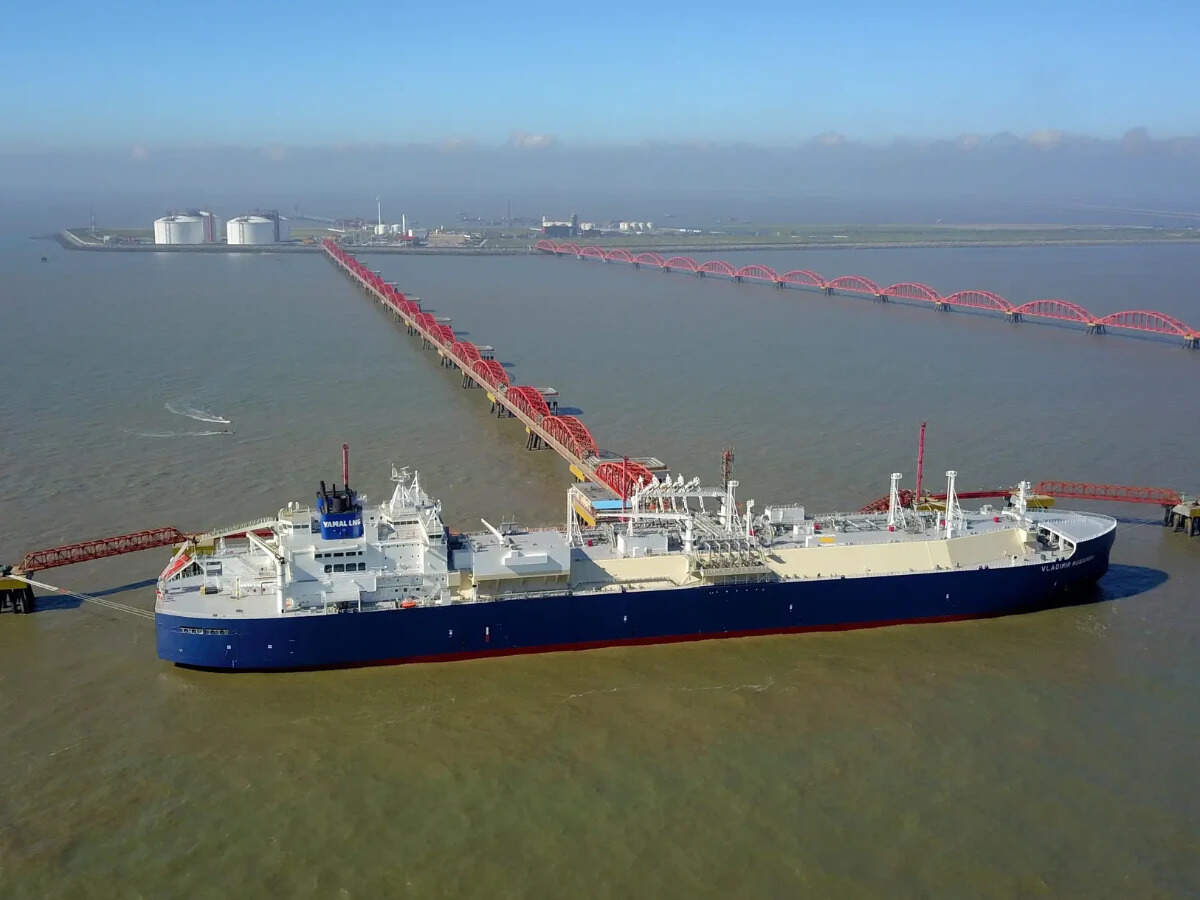
The Aqua Titan, a Russian oil-laden tanker that had earlier signalled China as its destination, is now expected to arrive at New Mangalore port on March 21 after being chartered by Mangalore Refinery and Petrochemicals Limited (MPCL), a senior government official said on Thursday.
Rakesh Kumar Sinha, Special Secretary in the Ministry of Ports, Shipping and Waterways, confirmed that the vessel is carrying crude oil and is headed to India, clarifying the government’s position a day after officials said they had no information about such a diversion.
The development follows reports that the tanker, loaded with Russia’s Urals crude, had initially been bound for China before altering course in Southeast Asian waters and heading towards India, amid New Delhi stepping up purchases from Moscow.
Energy supply diversified
It also follows a broader shift where India has simultaneously been accelerating efforts to diversify its energy sourcing, with officials indicating that nearly 70 per cent of crude imports are now coming from regions outside the Gulf. LPG and LNG sourcing is also being broadened beyond Qatar to include suppliers such as the US and Australia, amid heightened risks around the Strait of Hormuz.”We were getting about 47 per cent of our LPG supplies from Qatar. If facilities there are impacted, it will affect us. The solution lies in diversifying sources,” said Sujata Sharma, Joint Secretary in the oil ministry, highlighting the vulnerability of India’s energy baskto disruptions in West Asia.
India’s purchases of Russian crude have surged in recent weeks, with imports rising sharply as refiners look to offset supply constraints from the Middle East. Such diversions and increased sourcing from Russia are helping cushion the impact of disruptions, though risks remain, particularly for LPG supplies that depend heavily on the Hormuz route.
The government has also moved to strengthen oversight of the sector by giving legal backing to data sharing with the Petroleum Planning and Analysis Cell (PPAC), aimed at enabling faster and more targeted interventions in case of supply shocks.