Geopolitical Tensions Escalate as Allies Demand End to Hormuz Disruptions
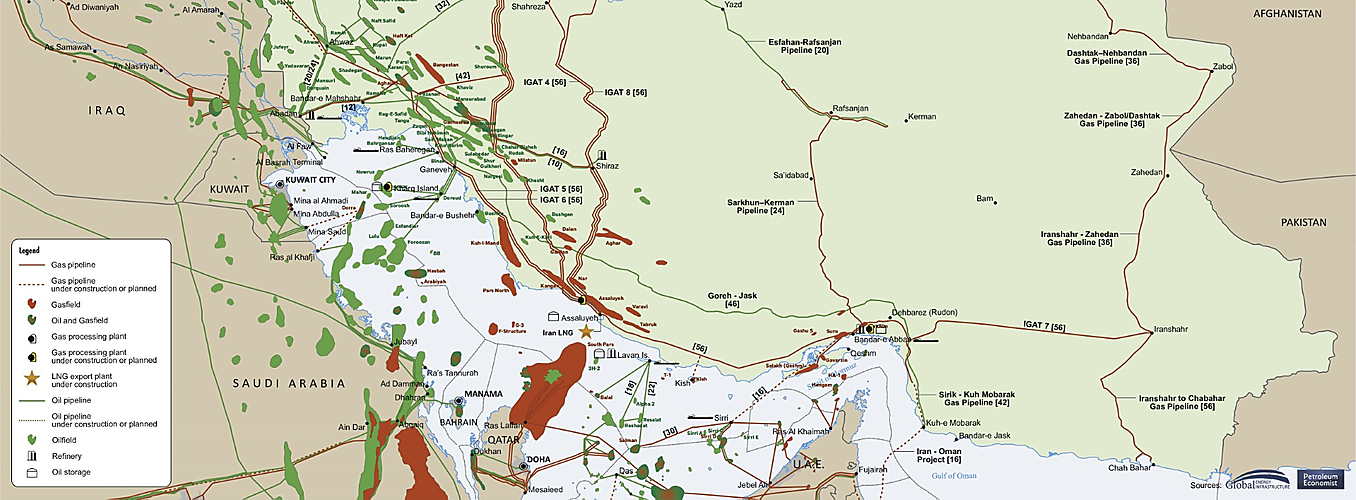
The global energy landscape is once again gripped by heightened geopolitical tensions, with a coalition of major world powers publicly demanding an immediate cessation of Iranian disruptions to shipping in the Strait of Hormuz. Prime Minister Keir Starmer of the UK, alongside counterparts from Japan, Germany, France, Italy, and the Netherlands, issued a joint statement highlighting the severe threat posed by Iran’s actions to international peace, security, and global energy supply chains. This unified call comes as the conflict in the region enters its 20th day, marked by continued attacks on energy sites and civilian infrastructure, creating a volatile environment for oil and gas investors.
The Market’s Paradox: Geopolitical Risk Versus Price Action
Despite the intensifying rhetoric and the critical nature of the Strait of Hormuz as a chokepoint for global oil flows, crude prices have exhibited a peculiar disconnect in recent trading sessions. As of today, Brent Crude is trading at $92.1 per barrel, marking a 1.22% decline within a daily range of $92 to $94.21. Similarly, WTI Crude stands at $88.39, down 1.43% from its opening, having traded between $88.31 and $90.71. Gasoline prices have followed suit, currently at $3.09 per gallon, down 1.28%. This daily downturn is not an isolated event; our proprietary data reveals a more significant trend over the past two weeks. Brent Crude has fallen by approximately 7%, from $101.16 on April 1st to $94.09 on April 21st, reflecting a $7.07 decrease. This suggests that while geopolitical risk remains a potent factor, the market may be pricing in other influences or a potential de-escalation, creating a complex risk-reward profile for investors.
Investor Focus: Navigating Volatility and Seeking Clarity
The current environment has naturally led to significant investor questions and concerns. Our readership data indicates a strong focus on the immediate trajectory of crude prices, with a recurring query being the potential for WTI to trend up or down in the short term. Beyond daily fluctuations, investors are also keenly interested in mid-to-long-term forecasts, specifically asking about end-of-year price predictions for oil barrels by the close of 2026. This reflects a broader desire to understand the underlying drivers that will ultimately dictate market direction beyond the headlines. While the allied statement underscores the severe implications of sustained disruptions, the market’s recent downward trend suggests that either the probability of a prolonged blockage is discounted, or other fundamental factors are exerting stronger gravitational pull on prices. Factors such as global demand outlook, inventory levels, and the potential for a coordinated supply response are likely weighing heavily on investor sentiment, creating a tug-of-war with geopolitical premiums.
Forward Outlook: Key Events and Potential Market Responses
Looking ahead, investors will be closely monitoring a series of upcoming energy events that could provide crucial insights into market fundamentals and influence price direction. The EIA Weekly Petroleum Status Reports, scheduled for April 22nd, April 29th, and May 6th, will offer critical updates on U.S. crude oil, gasoline, and distillate inventories, as well as production and demand figures. Any unexpected shifts in these metrics could either reinforce or challenge the market’s current geopolitical discount. Furthermore, the Baker Hughes Rig Counts on April 24th and May 1st will shed light on North American drilling activity, hinting at future supply trends. The API Weekly Crude Inventory reports on April 28th and May 5th will offer an early glimpse into U.S. stock changes. Perhaps most significantly, the EIA Short-Term Energy Outlook on May 2nd will provide updated forecasts for supply, demand, and prices, serving as a key benchmark for investors calibrating their positions. The joint statement from the allied nations also explicitly mentioned their readiness to contribute to International Energy Agency (IEA) strategic petroleum reserve (SPR) releases and their commitment to working with certain producing nations to increase output. This potential for a coordinated supply response could act as a significant counterbalance to any supply shocks from the Strait of Hormuz, further complicating price predictions and demanding careful analysis of both geopolitical developments and fundamental data releases.


