The White House is intensifying its engagement with key oil and gas leaders this week, signaling a strategic focus on stabilizing energy markets amidst persistent volatility. Vice President JD Vance and Energy Secretary Wright are slated to meet with top executives from the American Petroleum Institute’s board on Thursday. This critical gathering comes as the administration faces mounting political pressure over elevated fuel prices, particularly with November’s midterm elections looming. For investors, the outcomes of these discussions and the administration’s subsequent actions will offer crucial insights into near-term supply dynamics and the broader policy landscape shaping the U.S. energy sector.
Market Realities: Elevated Prices Despite Recent Pullback
While the initial onset of the Iran war last month saw crude oil prices soar, reflecting immediate geopolitical risk and supply fears, the market has experienced a modest correction in recent weeks. Brent Crude, the international benchmark, currently trades at $92.95, reflecting a 0.31% decline today, with its day range spanning $92.57 to $94.21. Similarly, WTI Crude stands at $89.45, down 0.25% today, moving within a range of $88.76 to $90.71. This recent easing is evident in the 14-day Brent trend, which shows a decline of 7% from $101.16 on April 1st to $94.09 on April 21st. Despite this recent profit-taking or recalibration of risk premiums, prices remain significantly elevated compared to pre-conflict levels, underscoring the ongoing tension in global supply chains. Gasoline prices, a direct pain point for consumers, are currently at $3.11, down 0.32% today, hovering between $3.1 and $3.13. These figures highlight the delicate balance the administration must strike: addressing immediate consumer costs while ensuring long-term energy security without unduly disrupting market mechanisms.
Strategic Levers: Administration’s Supply-Side Toolkit
The upcoming meeting builds upon a series of actions the Trump administration has already deployed to mitigate surging energy costs. These include the substantial release of 172 million barrels of oil from the U.S. emergency reserves, part of a coordinated global effort to distribute 400 million barrels. Such strategic releases aim to inject immediate supply into the market, providing a temporary buffer against disruptions. Furthermore, the administration recently waived a century-old shipping mandate for 60 days, allowing foreign-flagged vessels to transport various commodities, including oil, between U.S. ports. This move seeks to reduce logistical costs and improve the efficiency of domestic distribution. Interior Secretary Doug Burgum, chair of the White House National Energy Dominance Council, has also indicated ongoing discussions with energy companies about increasing domestic oil production. These measures collectively demonstrate a multi-pronged approach to bolstering supply, yet their long-term efficacy will be a key point of discussion for investors evaluating sustainable production growth and the potential for future policy interventions.
Investor Focus: Key Data Points and Forward-Looking Catalysts
Oil and gas investors are naturally focused on the direction of crude prices and the fundamental drivers influencing them. Our proprietary reader intent data reveals a keen interest in WTI’s price trajectory, with many asking whether it’s poised for an ascent or decline. The answer will heavily depend on both geopolitical developments and upcoming market data. Over the next 14 days, several critical events will shape this outlook. The EIA Weekly Petroleum Status Reports, scheduled for April 22nd, April 29th, and May 6th, will provide fresh insights into U.S. crude oil, gasoline, and distillate inventories, directly influencing price sentiment. Significant draws could signal tighter markets, pushing prices higher. Similarly, the Baker Hughes Rig Count on April 24th and May 1st will offer an early indicator of future production trends, reflecting producers’ confidence and investment appetite. The API Weekly Crude Inventory reports on April 28th and May 5th will also offer preliminary inventory data, often setting the tone ahead of the official EIA figures. Furthermore, the EIA Short-Term Energy Outlook on May 2nd will provide updated forecasts for supply, demand, and prices, offering a crucial benchmark for investor expectations regarding the remainder of 2026. This outlook will be particularly relevant for those investors asking about the predicted price of oil per barrel by the end of 2026, as it will contextualize the long-term supply/demand balance against the current geopolitical backdrop.
Geopolitical Risks and the Supply Chain Chokepoint
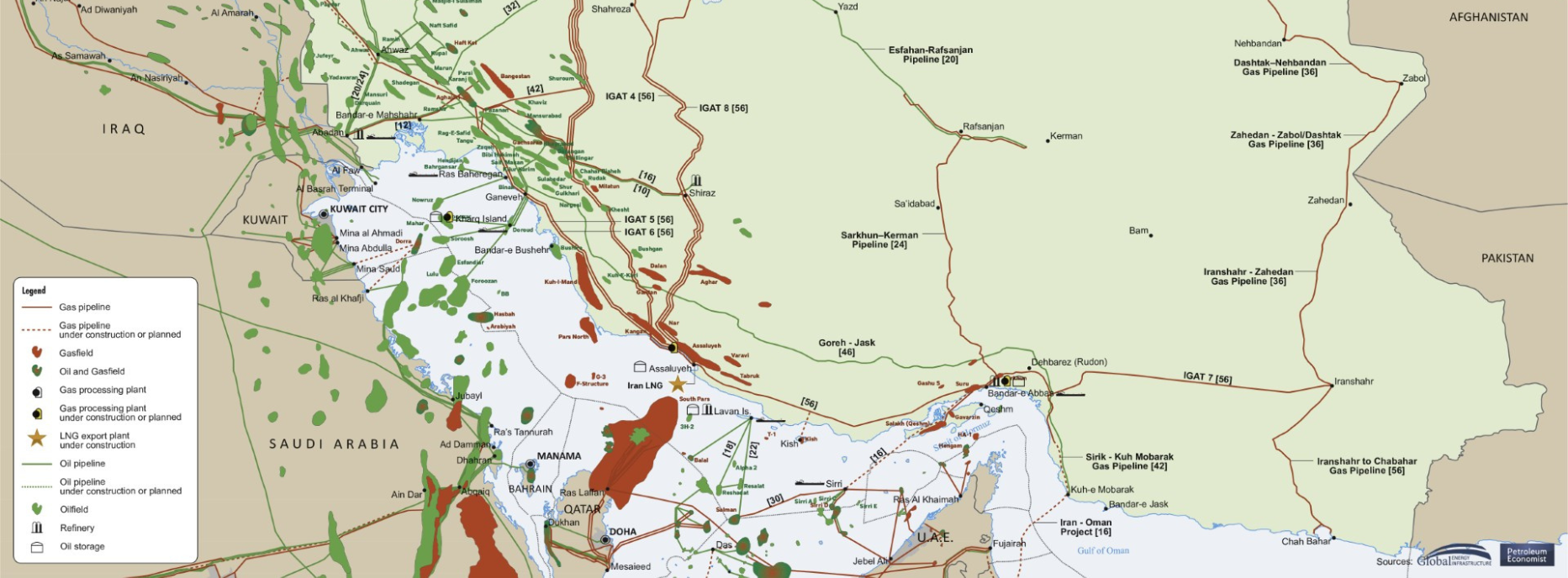
The specter of geopolitical instability continues to cast a long shadow over energy markets. The conflict in Iran has directly impacted critical transit routes, most notably the Strait of Hormuz. This narrow waterway in the Persian Gulf is an indispensable artery for global energy trade, typically facilitating approximately 20% of the world’s seaborne oil trade and a substantial portion of liquefied natural gas supply. Disruptions here have far-reaching consequences, affecting not only crude oil but also refined petroleum products such as diesel, gasoline, jet fuel, and shipping fuel, along with naphtha, a key component for plastics and road fuel. The direct threat to these essential supply lines underscores why discussions with energy leaders are paramount. Investors recognize that while domestic production can offset some global shortfalls, the interconnected nature of the energy market means that disruptions in key chokepoints can rapidly escalate prices and impact profitability across the value chain. The ability of global supply chains to adapt and reroute, or for the conflict to de-escalate, will be a defining factor in crude price stability moving forward.