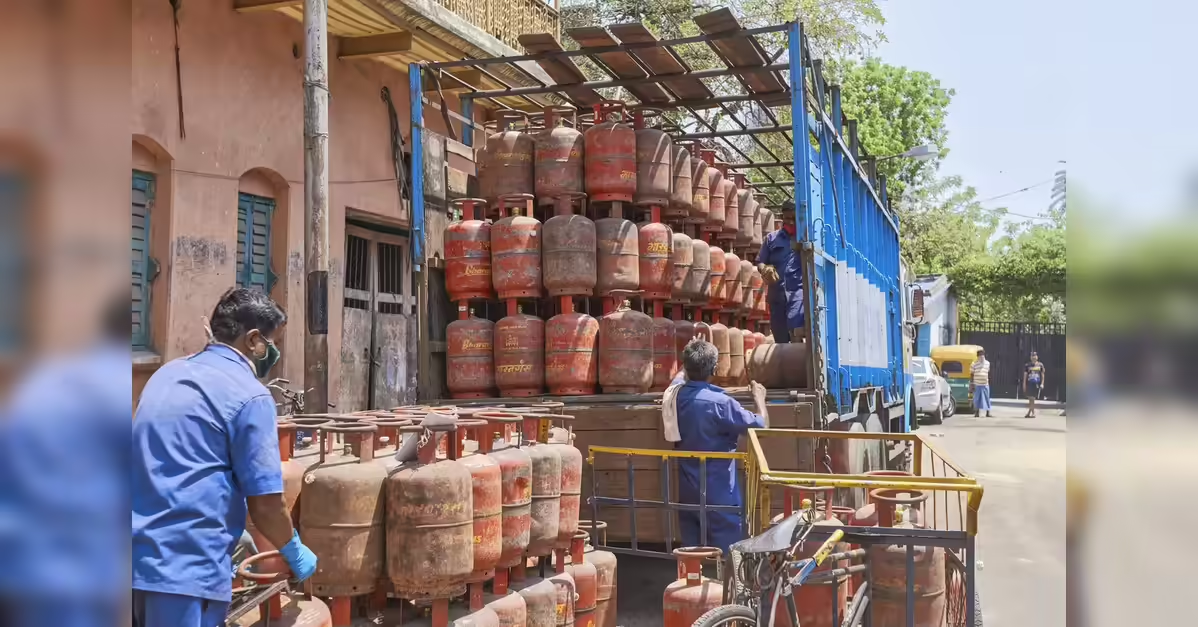
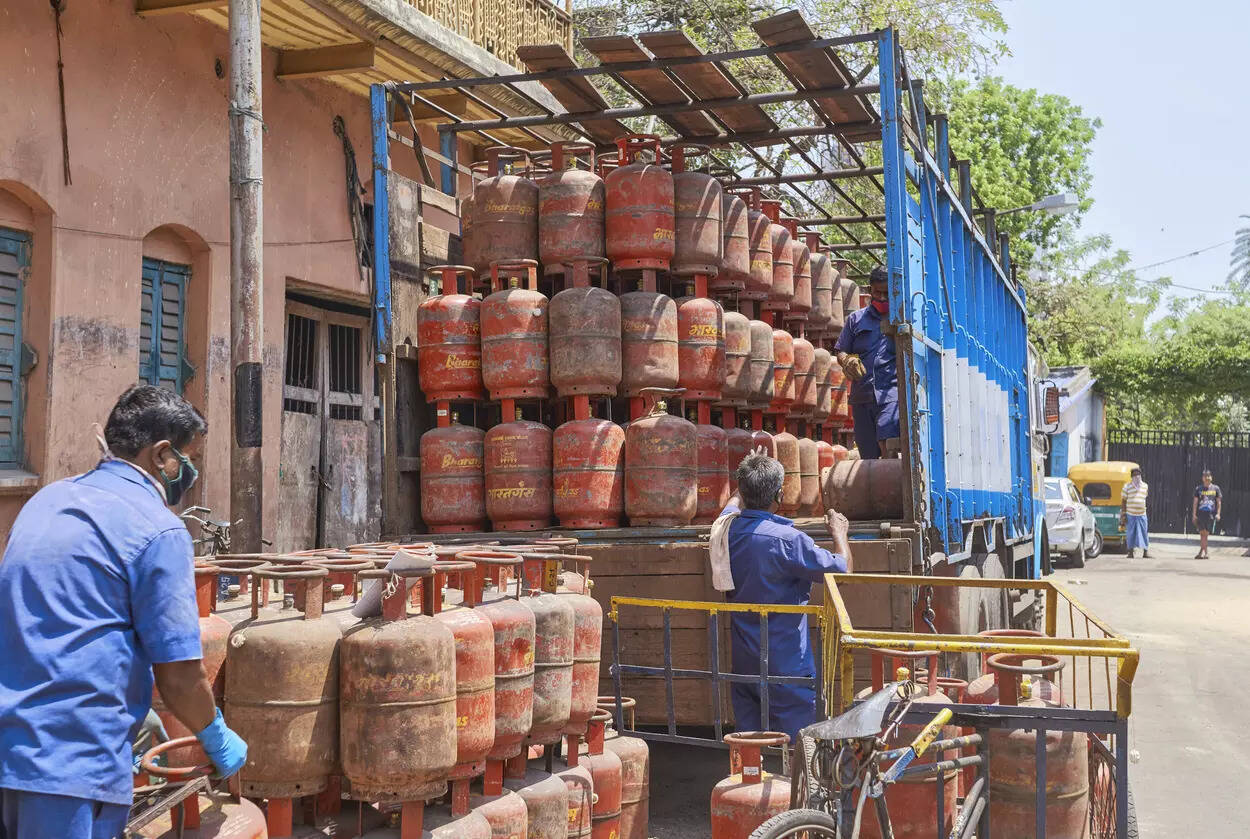
Manufacturers reliant on LPG in their production plants are switching to alternative fuels to cope with the supply shortage and keep output steady. Companies have shifted LPG-based brazing stations to oxy-acetylene, while diesel is being used for powder-coating and paint shop operations that were earlier largely dependent on LPG.
Executives said that after an initial disruption to production due to the commercial LPG shortage-which continues at lower supply levels-these alternatives have helped stabilise output and can be scaled up if availability worsens. Some companies have already started commercial production using these alternatives, while others are in the final stages of testing before rollout.
“We are gradually shifting to alternatives, which now account for about 30 per cent of our LPG-based work and can be scaled up if required,” said Epack Durable chief executive Ajay DD Singhania. The company is one of the leading electronic contract manufacturers.
Brazing is used for metal-joining in manufacturing household appliances such as air-conditioners and refrigerators, as well as in automobiles, while powder-coating and paint shop operations are used across a wide range of products. These processes have so far been largely undertaken using LPG.
“We are working on alternatives to LPG and trials are underway. We will switch once the test reports come. Even now, we have visibility of commercial LPG supplies for only two days,” said Kamal Nandi, head of the appliances business at Godrej Enterprises, which manufactures refrigerators, washing machines and air-conditioners.
Haier Appliances India president Satish NS said the company has started production on some lines using LPG alternatives. “Since commercial LPG supplies are still regulated, we are trying to save as much as possible on the use of this gas. Electrical brazing is being used and, as of now, there is no impact on production,” he said.
The LPG shortage has also affected some fast-moving consumer goods companies, though many are yet to implement alternatives. An industry executive said shifting to other fuels would require redesigning production lines, involving capital expenditure and time.
“We don’t want to take a knee-jerk reaction as we are managing supplies from other plants,” he said. Companies warned that despite alternatives, volatility on production side remains. Electronic contract manufacturer, PG Electroplast MD (operations) Vikas Gupta said while alternatives are being tested before, longer-term challenges persist in the supply of some raw materials such as polymers, where shortages could affect output.