Gujarat’s Dual Energy Strategy: Fueling Growth and Diversification
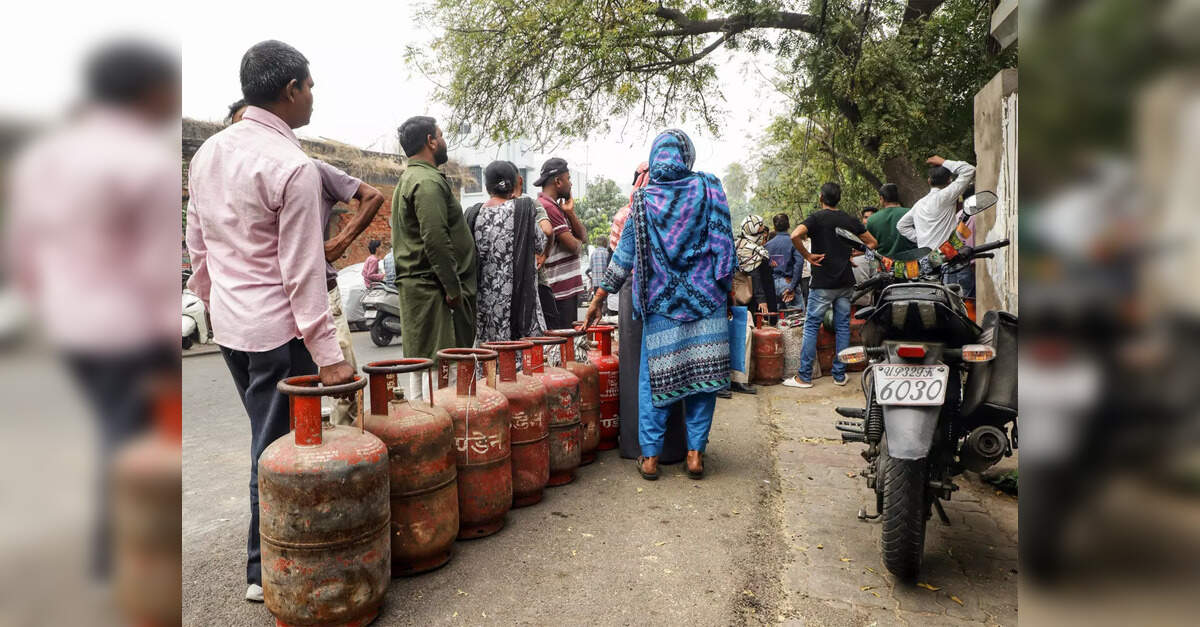
Gujarat, a pivotal industrial state in India, is currently navigating a dynamic energy landscape, implementing a strategic two-pronged approach that demands close attention from oil and gas investors. The state government is actively bolstering its liquefied petroleum gas (LPG) supply, increasing distribution by a notable 20 percent above normal weekly levels to ensure robust availability across all sectors. Simultaneously, Gujarat is pushing aggressively for the expansion and adoption of Piped Natural Gas (PNG) connections, particularly in areas with established city gas distribution (CGD) networks. This dual strategy reflects a broader national imperative for energy security, efficiency, and environmental sustainability, offering compelling insights for those tracking India’s evolving energy matrix.
This calculated pivot, driven by both state and Union government directives, is not merely about meeting immediate fuel demands but signifies a long-term vision for energy diversification. While ensuring ample LPG, the deliberate prioritization of PNG underscores a commitment to cleaner, more efficient fuel sources delivered through resilient infrastructure. For investors, understanding this intricate balance between traditional and emerging fuel consumption patterns is crucial for identifying future growth vectors in the Indian energy market.
Market Dynamics and the Shifting Energy Mix
The strategic emphasis on natural gas in Gujarat unfolds against a backdrop of fluctuating global energy prices, influencing the economics of alternative fuels. As of today, Brent Crude trades at $92.89, registering a marginal decrease of 0.38 percent within a day range of $92.57 to $94.21. Similarly, WTI Crude stands at $89.33, also down 0.38 percent, moving between $88.76 and $90.71. Gasoline prices echo this trend, currently at $3.11, down 0.64 percent. This recent stability, following a more pronounced downtrend in Brent crude by 7 percent over the past 14 days from $101.16 to $94.09, highlights the inherent volatility in global oil markets.
For investors keenly watching crude price movements, questioning whether WTI is heading up or down, this volatility underscores the strategic value of domestic natural gas. Gujarat’s move to prioritize PNG, a fuel less susceptible to immediate geopolitical shocks and international shipping disruptions, provides a more stable cost structure for both consumers and businesses. This shift enhances energy security and cost predictability, making natural gas infrastructure and distribution companies increasingly attractive. The government’s decision to allow hotels and restaurants to obtain PNG connections wherever networks exist further solidifies this commercial demand, indicating a clear trajectory for gas consumption growth in the state.
Unlocking Investment Opportunities in City Gas Distribution
Gujarat’s aggressive push for PNG connections translates directly into significant growth opportunities for companies operating in the City Gas Distribution (CGD) sector. The directive for district collectors and supply officers to actively coordinate with CGD companies to facilitate conversions from LPG to PNG, or to enable new connections, creates a robust framework for expansion. This isn’t just about domestic consumers; essential sectors like hospitals, educational institutions, pharmaceutical and dairy industries, and even airline or railway canteens are being encouraged or provisioned for PNG access, with commercial LPG supplies to some sectors capped at 70 percent to incentivize the transition.
This policy environment signals a period of intensified capital expenditure and network expansion for CGD players across Gujarat and potentially wider India, as the Union government has also advised states to prioritize PNG where networks are operational. Investors seeking opportunities in specific energy firms are well-advised to scrutinize the financial health and expansion plans of Indian CGD entities. These companies stand to benefit from increased volume throughput, improved utilization of existing infrastructure, and the potential for new pipeline development. The long-term outlook for natural gas consumption in India, bolstered by government policy, suggests sustained revenue growth and attractive returns for companies strategically positioned in this sector.
Navigating the Future: Policy Tailwinds and Upcoming Catalysts
The trajectory of Gujarat’s energy policy, and by extension, India’s broader energy landscape, will be influenced by a series of upcoming market data releases and policy developments. Investors should mark their calendars for key reports such as the EIA Weekly Petroleum Status Report (due on April 22, April 29, and May 6) and the Baker Hughes Rig Count (April 24 and May 1), which will provide crucial insights into global supply and demand dynamics. Additionally, the API Weekly Crude Inventory (April 28 and May 5) will offer a snapshot of U.S. inventory levels, impacting near-term price sentiment.
Perhaps most critically, the EIA Short-Term Energy Outlook (STEO) on May 2 will be essential for shaping expectations around the price of oil per barrel by the end of 2026 and beyond. Should the STEO project stable or rising natural gas demand alongside sustained crude volatility, it would further reinforce the rationale behind Gujarat’s strategic shift towards PNG. This forward-looking analysis, coupled with the ongoing government emphasis on energy security and a diversified fuel mix, presents a compelling narrative for long-term investment in India’s natural gas sector. The proactive steps taken by Gujarat, ensuring adequate LPG supply while simultaneously championing PNG, represent a blueprint for how a rapidly developing economy is balancing immediate energy needs with strategic future-proofing.


