Navigating India’s Downstream Energy Landscape Amidst Global Volatility
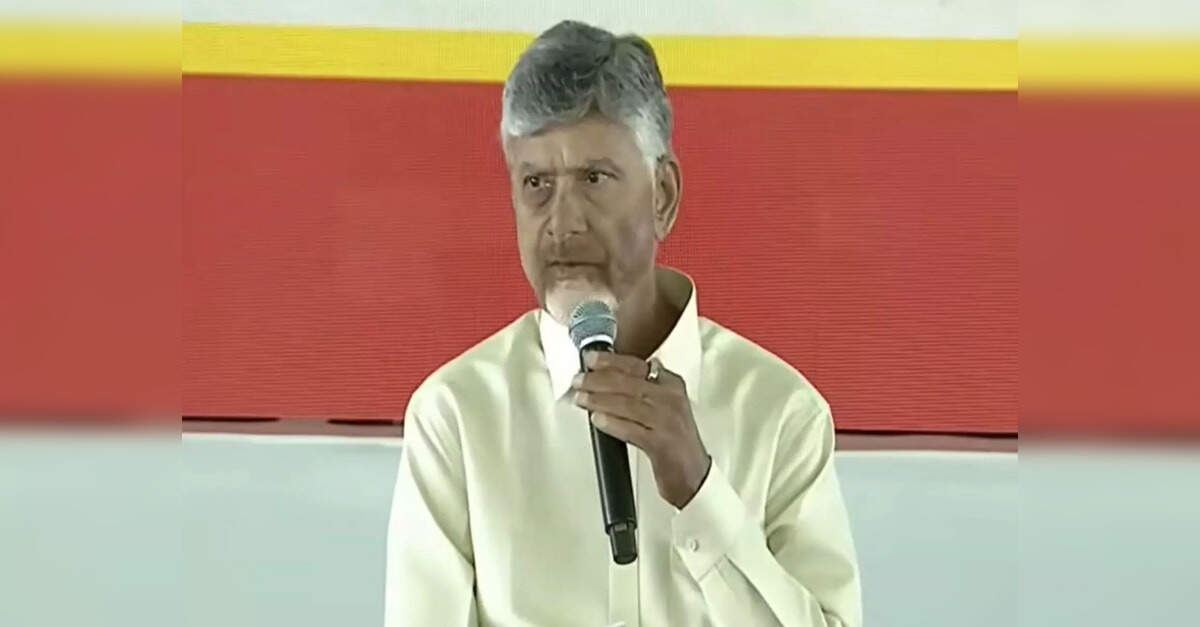
The recent directives from Andhra Pradesh Chief Minister N Chandrababu Naidu to tighten scrutiny on LPG supply chains and ensure uninterrupted domestic cooking gas distribution offer a potent microcosm of the complex challenges and opportunities facing India’s energy sector. While seemingly a local administrative mandate, these measures ripple through the operations of major Oil Marketing Companies (OMCs) like Bharat Petroleum Corporation Ltd (BPCL), Hindustan Petroleum Corporation Ltd (HPCL), and Indian Oil Corporation Ltd (IOCL), highlighting the delicate balance between energy security, consumer welfare, and market efficiency. For investors, this scenario underscores the need to carefully assess regulatory risks, infrastructure development potential, and the evolving energy mix in a market increasingly sensitive to both domestic policy shifts and global crude price fluctuations.
Geopolitical Headwinds and Domestic Supply Chain Pressures
The CM’s emphasis on energy security, explicitly linked to the ongoing West Asia conflict, casts a spotlight on India’s vulnerability as a major energy importer. This geopolitical backdrop significantly influences the cost of crude, which in turn impacts the profitability and pricing strategies of OMCs. As of today, Brent crude trades at $92.9, reflecting a marginal -0.36% dip, while WTI crude sits at $89.25, down -0.47%. This slight softening follows a more significant trend over the past two weeks, where Brent has seen a -7% decline from $101.16 on April 1st to $94.09 on April 21st. While this downward trajectory might offer some temporary relief on import bills, the underlying volatility driven by global events remains a primary concern for long-term planning and investment stability. The domestic directives to prevent black market diversion of LPG and reduce cylinder waiting periods directly target operational inefficiencies and illicit activities that can erode profitability and public trust, forcing OMCs to invest more in robust distribution and monitoring systems.
Policy Signals Point to an Evolving Energy Mix
Beyond immediate supply chain improvements, the Andhra Pradesh government’s discussions around promoting piped gas and induction stoves as alternatives to LPG signal a crucial long-term shift in India’s energy consumption patterns. This pivot presents substantial investment opportunities for companies involved in natural gas infrastructure development, including pipeline networks and city gas distribution projects. Furthermore, it opens avenues for power generation companies and appliance manufacturers as households transition away from traditional LPG cylinders. While officials have indicated the Centre is expected to allocate more LPG stocks to states like Andhra Pradesh, Telangana, and Karnataka in the short term—a measure to ensure immediate availability and alleviate public concern—the strategic exploration of alternatives indicates a broader governmental push towards diversifying the energy basket. Investors should monitor these policy moves closely, as they will dictate capital allocation towards gas infrastructure, renewable energy integration, and the downstream oil sector in the coming years, particularly as India strives to meet its ambitious energy transition goals.
Investor Focus: Price Outlook and Upcoming Catalysts
Our proprietary data indicates that investors are keenly focused on market direction, with common queries including “is WTI going up or down?” and “what do you predict the price of oil per barrel will be by end of 2026?”. This reflects a pervasive uncertainty driven by geopolitical tensions, varying global demand forecasts, and the pace of energy transition. To gain clarity, market participants will be closely watching a series of upcoming events over the next two weeks. The EIA Weekly Petroleum Status Reports, scheduled for April 22nd and April 29th, will provide critical insights into US crude oil and product inventories, refining activity, and demand indicators. Similarly, the Baker Hughes Rig Count reports on April 24th and May 1st will offer an early signal of future drilling activity and potential supply changes. Perhaps most impactful for long-term outlooks, the EIA Short-Term Energy Outlook on May 2nd will offer official projections for crude oil prices and demand, directly addressing investor questions about the price trajectory through 2026. These data releases are crucial for adjusting investment strategies, hedging exposures, and identifying potential shifts in market sentiment.
Implications for Downstream Investment and Operational Efficiency
The heightened scrutiny on LPG distribution in Andhra Pradesh, including daily monitoring of supply, stocks, and bookings, directly impacts the operational mandates of BPCL, HPCL, and IOCL. These OMCs must now prioritize robust supply chain management, invest in digital tracking solutions, and potentially expand storage and distribution infrastructure to meet demand, reduce waiting periods, and curb black market activities. The directive to consult with hotel associations on reducing LPG consumption further underscores a push for efficiency and diversification, potentially leading to increased adoption of commercial piped natural gas or electric cooking solutions in the hospitality sector. For investors, this implies that OMCs’ future performance will not solely hinge on crude price movements but also on their ability to adapt to stringent regulatory environments, optimize their distribution networks, and strategically pivot towards alternative energy sources where policy encourages it. Companies demonstrating agility in these areas, coupled with a strong focus on cost efficiency and technological adoption, are likely to be best positioned for sustained growth in India’s dynamic energy market.


