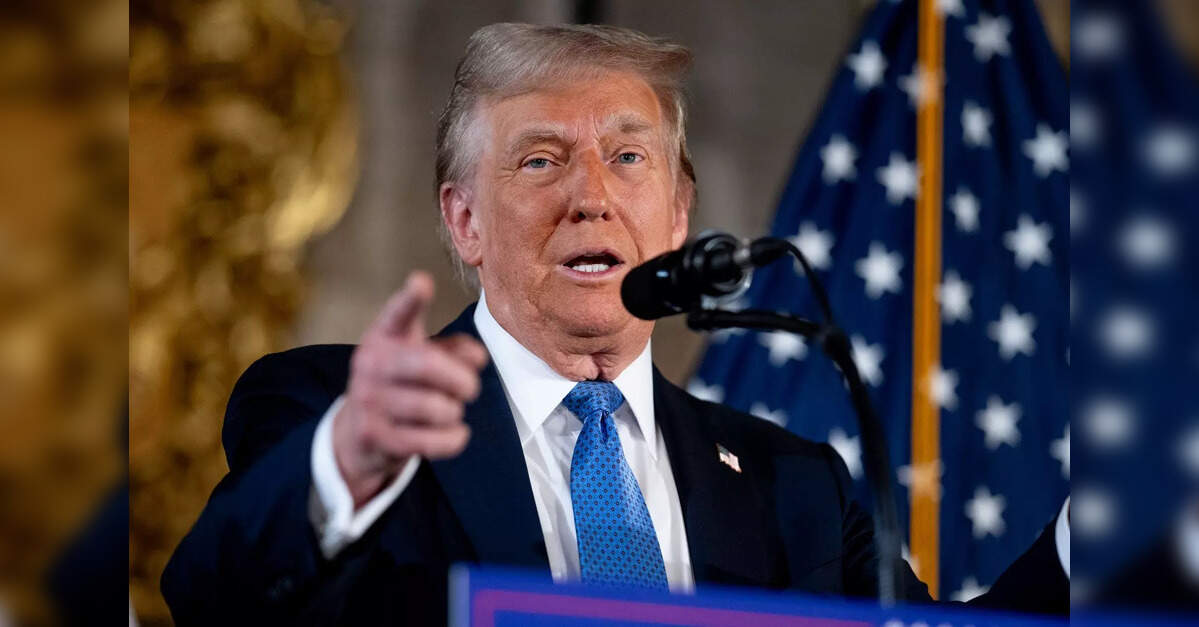
The geopolitical landscape of the Middle East continues to cast a long shadow over global energy markets, with recent rhetoric from US President Donald Trump drawing specific attention to Iran’s critical Kharg Island. As the US-Israel war with Iran enters its 15th day, President Trump’s statements regarding potential further strikes on the island, even “for fun,” underscore the extreme volatility and the high stakes involved. This small coral island, a mere 25 kilometers off Iran’s coast, represents far more than just a military outpost; it is the lynchpin of Iran’s crude oil export capability, making it a focal point for investors assessing geopolitical risk and its potential impact on global oil supply.
Kharg Island: Iran’s Unsung Export Chokepoint
Kharg Island, though diminutive in size – approximately 8 kilometers long and 4-5 kilometers wide, roughly a third the size of Manhattan – holds outsized importance for Iran’s economy and global oil supply. Functioning as Iran’s primary oil export terminal, the island is responsible for handling a staggering 80 to 90 percent of the nation’s crude exports. In 2025 alone, data indicates that Kharg Island facilitated approximately 96 percent of Iran’s crude exports, amounting to roughly 1.54 million barrels per day out of a national total of about 1.6 million barrels per day. This crude arrives via an extensive pipeline network from mainland oil fields in southern Iran, rather than being produced on the island itself. Its robust infrastructure includes over 50 crude storage tanks with a combined capacity exceeding 34 million barrels, highlighting its immense logistical significance.
Beyond its commercial role, Kharg Island also serves as a crucial military hub for Iran. It is fortified with key installations such as coastal missile launchers, radar systems, sophisticated surveillance networks, and drone facilities. Access to the island is strictly controlled and heavily guarded by Iran’s Islamic Revolutionary Guards Corps (IRGC). While early stages of the ongoing conflict saw US and Israeli forces reportedly avoid targeting the island’s oil infrastructure, focusing instead on military installations, the recent escalation in rhetoric from President Trump raises concerns that this strategic restraint could be abandoned. Any direct disruption to Kharg Island’s oil facilities would have immediate and severe repercussions for global crude supply.
Market Reaction and Shifting Sentiments: A Volatile Landscape
The immediate aftermath of heightened geopolitical tensions typically sees an upward swing in oil prices, reflecting a supply risk premium. However, the current market response suggests a more nuanced interpretation of the ongoing situation. As of today, Brent Crude trades at $92.9 per barrel, marking a slight decrease of 0.36% within a day range of $92.57 to $94.21. Similarly, WTI Crude is priced at $89.24 per barrel, down 0.48% for the day, with a range of $88.76 to $90.71. These figures contrast sharply with the initial surge observed at the conflict’s outset, where crude prices reportedly rose over 40% from approximately $73 per barrel on February 27 to $103 per barrel. Our proprietary data further illustrates this recent moderation: over the past 14 days, Brent crude has actually trended downwards, falling by 7% from $101.16 on April 1 to $94.09 on April 21.
This cooling in price, despite the inflammatory rhetoric, indicates that the market is carefully distinguishing between threats and actual disruptions. Investors are clearly asking, “Is WTI going up or down?” and seeking clarity on the trajectory of oil prices, including “what do you predict the price of oil per barrel will be by end of 2026?” While the market acknowledges the immense risk posed by Kharg Island’s vulnerability, the current pricing suggests that a full-scale assault on the island’s oil infrastructure, leading to a significant loss of Iranian exports, is not yet fully priced in. This could be due to a belief that the US will continue to target military, rather than oil, assets, or a perception that President Trump’s statements are primarily rhetorical. However, the potential for a rapid price spike remains a significant overhang if the situation escalates beyond the current scope.
Beyond Rhetoric: Upcoming Data Points to Watch
In this environment of elevated geopolitical risk, fundamental supply and demand data become even more critical for investors seeking to gauge market direction. While headlines from the Middle East dominate sentiment, the underlying health of the global oil market, particularly US inventory levels and drilling activity, provides essential context. Investors should closely monitor several key upcoming events over the next two weeks. The EIA Weekly Petroleum Status Reports, scheduled for April 22, April 29, and May 6, will offer fresh insights into US crude oil, gasoline, and distillate inventories, along with refinery utilization rates. These reports are crucial for understanding the immediate supply-demand balance in the world’s largest oil consumer.
Further insights into future supply will come from the Baker Hughes Rig Counts on April 24 and May 1, which indicate drilling activity and thus future production trends. Complementing these, the API Weekly Crude Inventory reports on April 28 and May 5 will provide an early look at US stock changes. Perhaps most importantly for long-term outlooks, the EIA Short-Term Energy Outlook on May 2 will offer updated projections for global and US oil production, consumption, and prices, directly addressing the investor question about where oil prices might stand by the end of 2026. These data points, while not directly addressing the Kharg Island situation, will provide crucial context on the market’s underlying strength, influencing how geopolitical premiums are ultimately absorbed or amplified.
Investment Implications Amidst Geopolitical Volatility
For oil and gas investors, the situation surrounding Kharg Island presents a complex risk-reward matrix. On one hand, the explicit threats to Iran’s main export terminal introduce an undeniable supply-side risk that could send crude prices soaring, benefiting upstream producers and certain energy sector ETFs. The speculation about US forces attempting to take over Kharg Island, while extreme, highlights the potential for catastrophic disruption if such a scenario were to materialize. On the other hand, the market’s current muted reaction, with Brent and WTI showing slight declines, suggests a degree of skepticism towards immediate, direct attacks on vital oil infrastructure. This implies that the market is not yet fully pricing in the worst-case scenario.
Investors must navigate this tightrope, balancing the high probability of continued geopolitical tension with the actual likelihood of direct oil supply disruption. Companies with significant exposure to Middle Eastern operations or those heavily reliant on stable oil prices face heightened scrutiny. Conversely, those with diversified portfolios or strong hedging strategies may be better positioned. Maintaining a vigilant watch on both geopolitical developments and the aforementioned fundamental market data — particularly inventory reports and rig counts — is paramount. Any concrete action against Kharg Island’s oil facilities would undoubtedly trigger an immediate and substantial upward repricing of crude, demanding swift portfolio adjustments. Until then, the market appears to be in a holding pattern, weighing rhetoric against the realities of global energy supply and demand.


