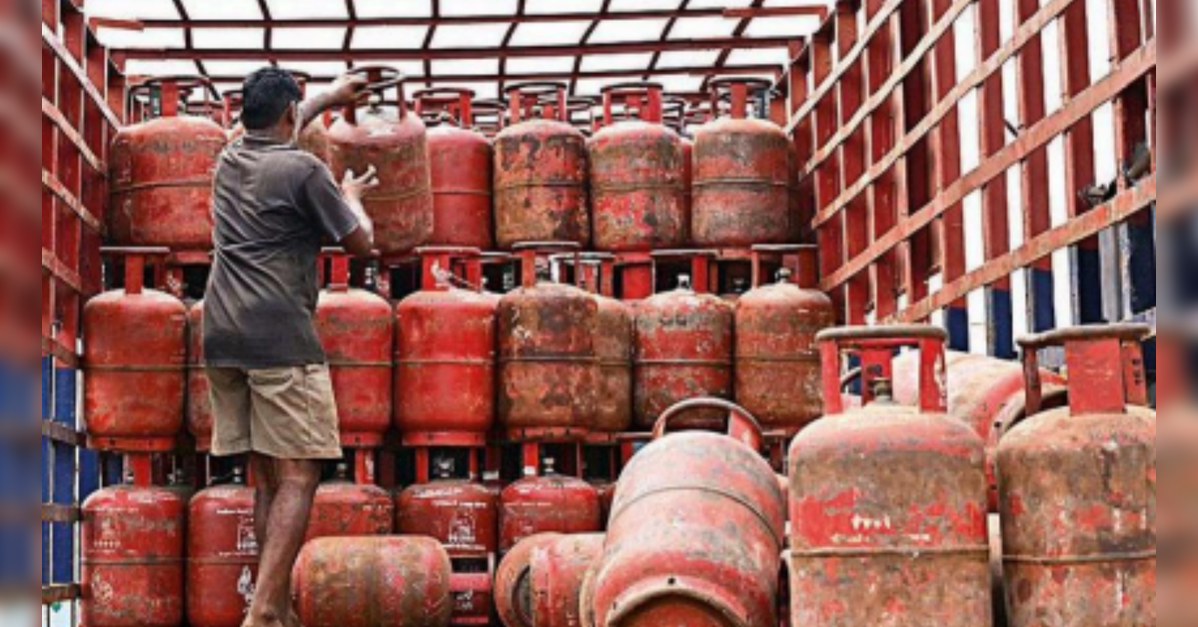
The energy investment landscape is perpetually reshaped by geopolitical forces, technological advancements, and, critically, government policy. A recent directive targeting domestic energy consumption has sent ripples through the market, particularly for companies engaged in Liquefied Petroleum Gas (LPG) distribution. By ordering consumers with piped natural gas (PNG) connections to surrender their domestic LPG cylinders, authorities are enacting a significant demand-side shock aimed at alleviating supply pressures. This move not only highlights underlying challenges in LPG availability but also accelerates a strategic shift towards PNG, creating distinct winners and losers among energy sector players. For astute investors, understanding the immediate and long-term ramifications of this policy pivot is paramount to navigating the evolving energy matrix.
Policy Mandate: A Fundamental Shift in Domestic Energy Demand
The government’s decisive action to mandate the surrender of domestic LPG connections for households already utilizing piped natural gas marks a critical inflection point for the sector. This directive, formalized under the Essential Commodities Act, reclassifies the supply of LPG refills to PNG-connected consumers as a “prohibited activity.” The catalyst for this stringent measure was a dramatic surge in panic bookings for LPG refills, escalating by nearly 60% from 5.57 million in February to 8.88 million by March 13. While officials acknowledge the exact number of dual users remains unquantified, the expectation is that a “substantial” portion of the market will be affected. This policy isn’t merely a temporary fix; it’s a deliberate strategy to reallocate LPG resources, prioritize supply for those without PNG access, and fundamentally alter consumption patterns. Refineries have already responded by ramping up domestic production by 31%, yet the primary focus remains on managing demand through this regulatory intervention and promoting digital booking platforms to streamline distribution.
Investment Implications: Divergent Fortunes for LPG and PNG Players
This policy pivot creates a clear bifurcation in the investment outlook for energy companies. For public sector oil companies heavily invested in domestic LPG distribution, the mandate signals an impending contraction in their addressable market. While the government emphasizes ensuring uninterrupted supply to critical sectors, the erosion of a significant domestic consumer base could impact sales volumes and profitability over the medium term. Investors must scrutinize the proportion of revenue these entities derive from domestic LPG sales to gauge potential headwinds. Meanwhile, the broader energy market continues to react to global cues. As of today, Brent crude trades at $92.9, reflecting a slight dip of 0.36%, while WTI crude stands at $89.24, down 0.48%. This contrasts with a notable 7% decline in Brent over the past 14 days, from $101.16 to $94.09, suggesting a broader softening in crude prices. However, these localized policy changes demonstrate that specific product markets can operate under unique pressures, diverging from general crude trends.
Conversely, the directive presents a significant growth catalyst for natural gas distribution companies, particularly those expanding PNG infrastructure. Indraprastha Gas Limited (IGL) in Delhi, for instance, has already reported a “3-4 times” increase in queries for PNG connections within just two days of the announcement. To further incentivize the switch, IGL is offering a ₹500 waiver on the first bill for new or reactivated connections by March 31. Crucially, the company has doubled its new connection capacity, from 700-800 to 1,500 daily, demonstrating aggressive expansion to meet surging demand. With PNG now available in 307 geographical areas across the country, companies positioned in this growth segment are poised for substantial upside. Investors should closely monitor the expansion plans and connection rates of these entities, as they are direct beneficiaries of this demand-side re-engineering.
Forward Outlook: Tracking the Transition and Broader Market Signals
The long-term success of this policy hinges on the seamless transition of consumers from LPG to PNG, and the continued expansion of natural gas infrastructure. For investors seeking to understand the trajectory of this shift and its broader energy market implications, several upcoming events will provide critical data points. The EIA Weekly Petroleum Status Reports, scheduled for April 22, April 29, and May 6, will offer insights into overall crude and product inventories, including refined products that share upstream linkages with LPG. While not directly focused on domestic LPG, these reports provide a macro context for energy demand and supply balances. Similarly, the Baker Hughes Rig Count on April 24 and May 1 will indicate drilling activity, a bellwether for future oil and gas production.
However, the most pertinent forward-looking analysis will come from the EIA Short-Term Energy Outlook (STEO) due on May 2. This comprehensive report provides forecasts for various energy commodities, including natural gas and refined products, and could offer crucial insights into projected demand shifts. Many of our readers are actively asking about the future direction of oil prices, with queries like “WTI going up or down” and predictions for “the price of oil per barrel by end of 2026” dominating sentiment analysis. While the STEO will address global crude dynamics, it will also provide a baseline for natural gas demand and supply, allowing investors to gauge how the localized PNG transition might integrate into the broader energy consumption picture. This localized policy, while specific to a regional market, represents a microcosm of how governmental priorities can profoundly impact energy sector fundamentals, prompting a re-evaluation of demand forecasts for specific fuels.
Navigating the Evolving Energy Landscape: Investor Strategy
The government’s clampdown on dual LPG and PNG connections underscores the dynamic nature of energy markets and the critical role of regulatory foresight in investment decisions. For investors, this moment demands a re-assessment of exposure to domestic LPG distribution versus natural gas infrastructure and supply. Companies with a high dependence on subsidized domestic LPG sales may face headwinds, necessitating a review of their diversification strategies. Conversely, firms actively expanding PNG networks, such as Indraprastha Gas Limited, are positioned for accelerated growth as millions of consumers are nudged towards piped gas. The surge in PNG queries and increased connection capacity are tangible indicators of this transition’s momentum.
Beyond direct exposure, investors should consider the broader implications for energy security and sustainability. The policy aims to optimize domestic energy resources and reduce reliance on imported LPG, aligning with longer-term energy transition goals. Therefore, companies demonstrating agility in adapting to these policy shifts, investing in cleaner fuels, and expanding infrastructure in line with national energy priorities are likely to emerge stronger. Continuous monitoring of upcoming market data releases, especially the EIA Short-Term Energy Outlook, alongside government pronouncements and company-specific updates on PNG connection rates, will be crucial for refining investment theses in this rapidly evolving landscape. The message is clear: the domestic energy market is undergoing a significant restructuring, and proactive investors must position themselves accordingly.


