The geopolitical landscape of global oil markets remains a complex tapestry of diplomacy, strategic maneuvering, and outright conflict, presenting continuous challenges for energy investors. Recent developments emanating from the Persian Gulf highlight this volatility, as Iran’s foreign ministry publicly criticized what it termed US “double standards” regarding oil sanctions. This accusation, coupled with escalating military actions and warnings concerning the vital Strait of Hormuz, underscores a period of heightened uncertainty. For investors navigating these turbulent waters, understanding the nuanced interplay between geopolitical rhetoric, military posturing, and the fundamental supply-demand dynamics is paramount. Our proprietary data pipelines, tracking market prices, upcoming events, and investor sentiment, offer crucial insights into how these tensions translate into tangible investment considerations.
Sanctions, Double Standards, and Global Supply Uncertainty
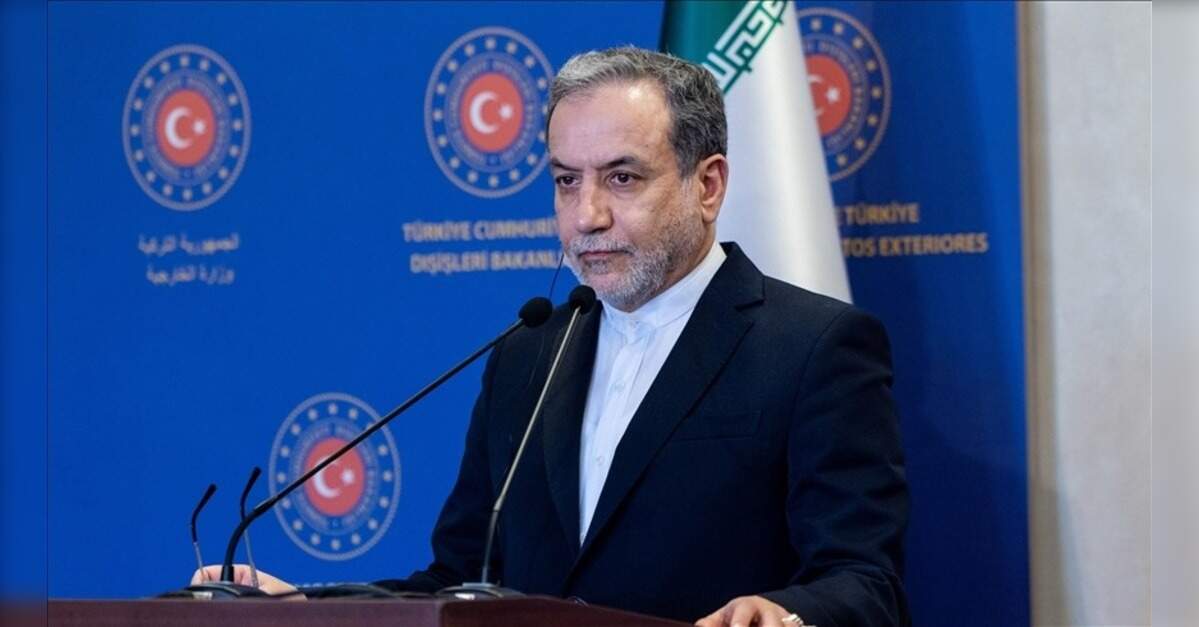
Iran’s Foreign Minister recently castigated the United States for what he labeled a contradictory approach to oil sanctions. The minister pointed out the perceived inconsistency of Washington aggressively pressuring nations like India to cease Russian oil imports, only to then reportedly solicit global buyers, including India, for Russian crude following heightened tensions with Tehran. This narrative is further complicated by accusations that European nations, in supporting what Iran deems an “illegal war” against it, do so with an expectation of reciprocal US backing against Russia. For the oil market, this rhetoric is more than just political theater; it directly impacts the perception of global supply stability. The fluid and often politically motivated application of sanctions creates a significant layer of uncertainty for producers, refiners, and traders alike. Such inconsistencies can lead to unpredictable shifts in global crude flows, challenging long-term investment strategies predicated on stable supply chains and predictable regulatory environments.
The Strait of Hormuz: A Volatile Chokepoint and Market Pulse
The strategic importance of the Strait of Hormuz cannot be overstated, and recent events have brought this critical chokepoint sharply into focus. Following a US strike on Iran’s Kharg Island, reportedly targeting military facilities while leaving oil infrastructure untouched “for now,” President Trump issued a stark warning against any interference with maritime traffic through the Strait. This was quickly met with a counter-warning from Iran’s Parliament Speaker, who indicated that attacks on the nation’s southern maritime frontiers would force Tehran to “abandon all restraint.” These escalations carry immense weight for the global oil market, as roughly 20-30% of the world’s seaborne oil passes through this narrow passage. Despite these alarming developments, the immediate market reaction has been somewhat tempered. As of today, Brent Crude trades at $92.96 per barrel, reflecting a modest 0.3% dip, with an intraday range of $92.57 to $94.21. Similarly, WTI Crude stands at $89.36, down 0.35%, fluctuating between $88.76 and $90.71. This slight downward pressure comes even as geopolitical risk rises, a phenomenon also observed in the 14-day trend where Brent has fallen from $101.16 on April 1st to $94.09 on April 21st, a significant 7% decline. This apparent paradox suggests that while geopolitical tensions add a risk premium, broader market fundamentals, or perhaps a belief in the containment of the conflict, are currently exerting a stronger influence on price direction.
Addressing Investor Queries Amidst Unfolding Events
Our proprietary reader intent data reveals a clear focus among investors on directional price movements and future outlook. Common questions this week include “is WTI going up or down?” and “what do you predict the price of oil per barrel will be by end of 2026?” These inquiries underscore the intense demand for clarity amidst market volatility driven by geopolitical factors. To answer these, investors must look beyond the immediate headlines and consider the upcoming data releases. The EIA Weekly Petroleum Status Reports, scheduled for April 22nd, April 29th, and May 6th, will offer crucial insights into US crude oil inventories, refinery activity, and demand indicators. Similarly, the API Weekly Crude Inventory reports on April 28th and May 5th will provide a preliminary look at these vital figures. The Baker Hughes Rig Count on April 24th and May 1st will shed light on North American production trends. Furthermore, the EIA Short-Term Energy Outlook (STEO) on May 2nd will offer a comprehensive forecast for global oil markets, providing a baseline against which to assess geopolitical impacts. A significant inventory draw, for instance, could amplify the market’s sensitivity to any further escalation in the Persian Gulf, potentially pushing prices higher. Conversely, a bearish STEO or sustained inventory builds could temper the geopolitical risk premium, even if tensions persist. Smart investors will cross-reference these fundamental data points with geopolitical developments to form a robust investment thesis.
The India Factor: Pragmatism in Energy Security
Amidst the escalating rhetoric, a notable diplomatic gesture emerged: Iran’s assurance of safe passage for Indian ships through the Strait of Hormuz. This was not an isolated incident; a Saudi crude tanker also recently transited the Strait en route to India, and two LPG tankers received similar assurances. Iran’s envoy to India explicitly highlighted the “strong bilateral ties” and “shared interests” between the two nations, emphasizing mutual responsibility and shared destiny. This development underscores India’s pivotal role as a major energy consumer navigating a complex geopolitical landscape. India’s pragmatic approach to energy security involves diversifying its sourcing and maintaining diplomatic channels with key suppliers, even those under Western sanctions. For investors, this highlights a critical dynamic: while sanctions aim to isolate, the global demand for energy often creates pathways for continued trade through strategic alliances and bilateral agreements. The long-term implications include a more diversified global oil trade network, where traditional alliances are increasingly challenged by energy security imperatives, potentially impacting the effectiveness and enforcement of future sanctions regimes.
In conclusion, the current environment surrounding Iranian oil sanctions and the escalating tensions in the Persian Gulf present a multifaceted challenge for oil and gas investors. The accusations of US double standards, the direct threats to the Strait of Hormuz, and the subtle diplomatic maneuvers with key consumers like India all contribute to a highly volatile market. While current market prices show a slight dip, the underlying geopolitical risk remains significant. Investors must diligently track not only the daily headlines but also the upcoming fundamental data releases, particularly those from the EIA and API, to gauge the true supply-demand picture. The interplay between geopolitical events and these fundamental indicators will ultimately dictate price direction, requiring a vigilant and adaptable investment strategy in the months ahead.


