India’s Energy Resilience: A Deep Dive into Geopolitical Shielding and Domestic Strength
As geopolitical tensions continue to ripple through global energy markets, Union Minister Gajendra Singh Shekhawat’s recent assurances regarding India’s petroleum product stability offer a crucial counter-narrative for investors. While many nations, particularly those in West Asia’s vicinity, grapple with significant supply disruptions and escalating costs, India projects an image of carefully managed resilience. Our proprietary data at OilMarketCap.com indicates that the broader market remains highly sensitive to geopolitical shifts, yet India’s strategic maneuvers present a compelling case for diversified energy security. This analysis delves into the foundational pillars of India’s strategy, examines current market dynamics, and forecasts potential impacts of upcoming events on this vital sector.
Navigating Geopolitical Headwinds: India’s Diversified Import Strategy
The specter of conflict in West Asia casts a long shadow over global energy supplies, prompting widespread concern among nations heavily reliant on imported crude. While neighboring countries like Pakistan and Bangladesh face emergency-like situations and school closures due to energy disruptions, India asserts a robust insulation strategy. Shekhawat highlighted a significant expansion in India’s crude oil import partnerships, moving from agreements with 27 countries to a formidable 40. This aggressive diversification of supply lines is not merely a diplomatic exercise; it’s a critical risk management strategy designed to shield the nation from single-point-of-failure vulnerabilities that plague less prepared economies. For investors, this signals a reduced geopolitical risk profile for Indian energy assets, as the nation is less susceptible to price spikes or supply cuts from any single source or region. This proactive approach contrasts sharply with the general market anxiety, which saw Brent crude fall from $101.16 on April 1st to $94.09 by April 21st, representing a 7% decline driven by a complex mix of demand concerns and geopolitical fears. India’s strategy aims to buffer its domestic economy from such dramatic swings.
Domestic Resilience and Supply Chain Stability Amidst Global Flux
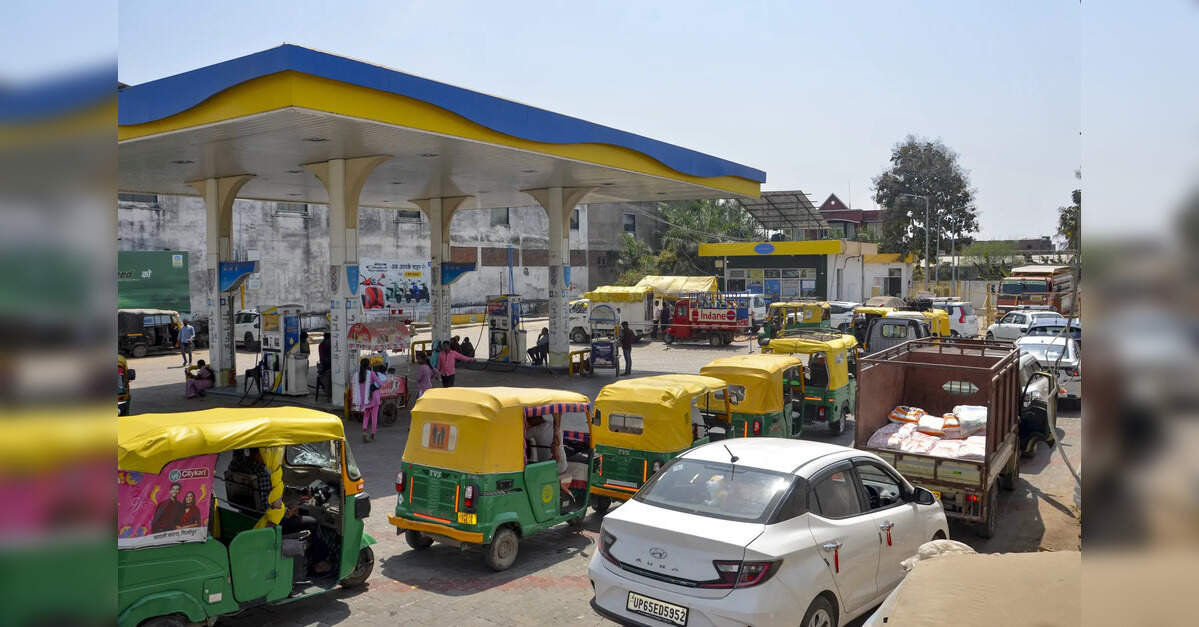
Beyond international diversification, India’s energy security narrative is significantly strengthened by its focus on domestic production and supply chain integrity. The Union Petroleum Ministry confirms an uninterrupted supply of LPG to domestic households, hospitals, and educational institutions, a critical factor for social stability and economic continuity. This assurance is underpinned by a remarkable 30% increase in domestic LPG production by refineries compared to early March, demonstrating a significant boost in indigenous capacity. Furthermore, the government has implemented protocols to prevent black marketing and hoarding, ensuring fair distribution, while commercial cylinders are being strategically placed at the disposal of state governments for priority allocation. This dual approach of boosting local output and tightening distribution controls creates a robust internal buffer against global supply shocks. For investors, this internal fortitude reduces the risk of domestic energy crises, making India a potentially more stable market for energy-related infrastructure and services, even as external gas supplies have faced disruptions.
Market Volatility and Investor Focus: What’s Next for Crude Prices?
Investors are keenly monitoring global crude benchmarks, with many asking about the future trajectory of WTI and broader oil prices. As of today, Brent Crude trades at $92.96, down 0.3% within a day range of $92.57-$94.21, while WTI Crude stands at $89.36, also down 0.35% within its $88.76-$90.71 range. Gasoline prices reflect this downward pressure, currently at $3.11, a 0.64% decrease. This slight daily dip, following a more substantial 7% drop in Brent over the past two weeks, highlights persistent market uncertainty despite India’s assurances of stability. The investor community is heavily focused on whether this downward trend will continue or reverse, with many seeking predictions for crude prices by the end of 2026. While India’s internal stability measures offer some protection, its economy remains inextricably linked to global energy costs. The balance between global supply-demand dynamics and geopolitical risk premiums will dictate price movements, directly influencing India’s import bill and, consequently, its economic outlook. Investors are looking for clarity on these global factors to inform their portfolio decisions, especially concerning companies with significant exposure to crude price fluctuations.
Forward Outlook: Key Events Shaping Global Energy Dynamics
Looking ahead, the global energy landscape will be shaped by a series of critical data releases and events that could either validate or challenge India’s resilient stance. Tomorrow, April 22nd, investors will closely watch the EIA Weekly Petroleum Status Report for insights into U.S. crude inventories, refinery activity, and demand indicators. This will be followed by the Baker Hughes Rig Count on April 24th, offering a snapshot of North American drilling activity. Further inventory data from API on April 28th and another EIA report on April 29th will provide continuous updates on supply-demand balances. However, one of the most significant forward-looking events is the EIA Short-Term Energy Outlook (STEO) scheduled for May 2nd. This comprehensive report will offer updated forecasts for global oil production, consumption, and prices through 2026, providing crucial context for long-term investment strategies. These upcoming events will collectively paint a clearer picture of global supply trends and demand projections, influencing not only international crude prices but also the efficacy of India’s diversification efforts. Investors should monitor these releases closely as they will undoubtedly impact the broader market sentiment and potentially offer new entry or exit points for energy-focused portfolios.


