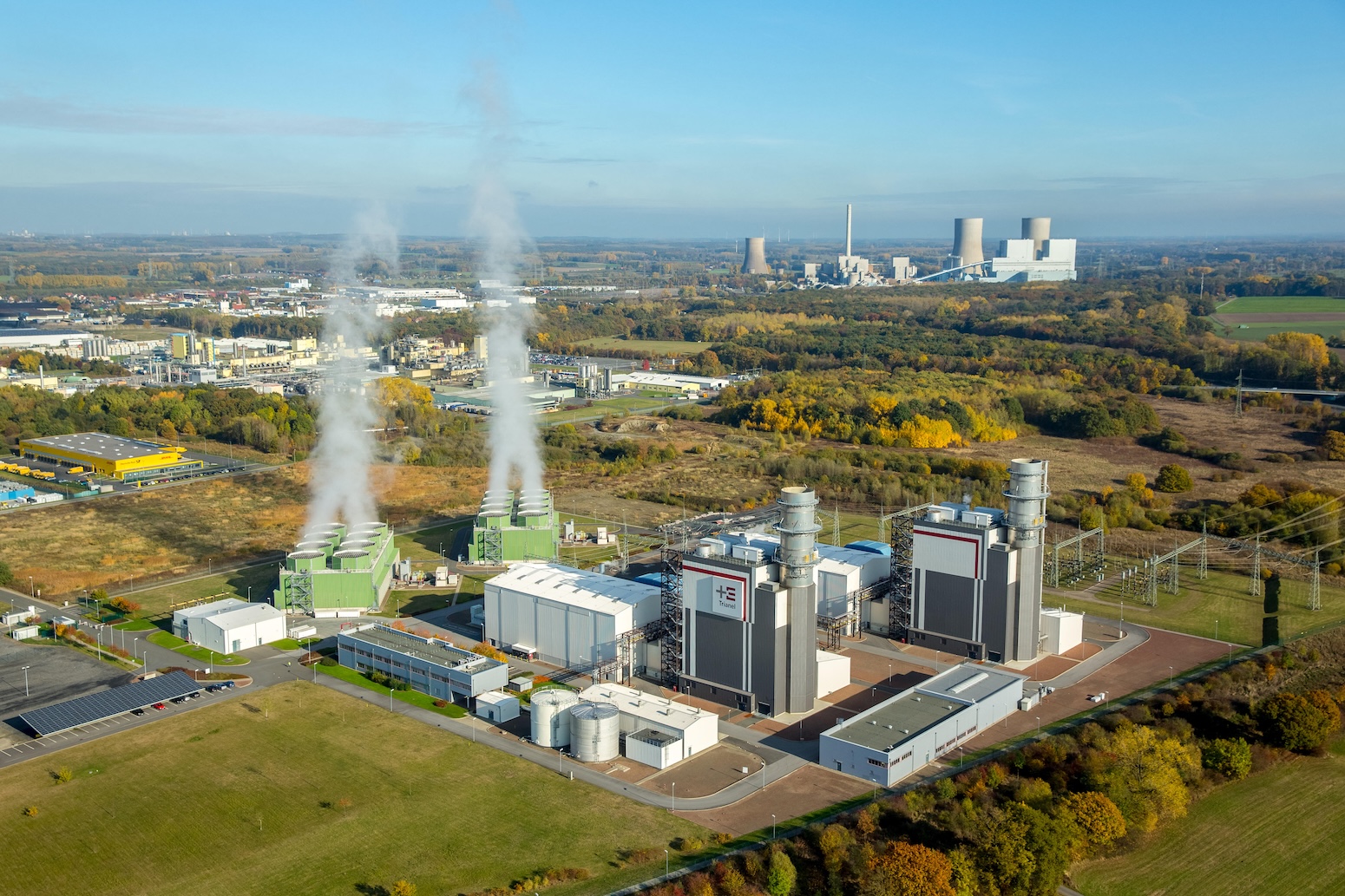
The intricate dance between natural gas prices and electricity costs has once again taken center stage, spotlighting a critical vulnerability within many developed energy markets. For investors navigating the complex landscape of oil and gas, understanding this “coupling” is paramount. Recent geopolitical tremors, from the conflict in Iran to the lasting impact of Russia’s actions in Ukraine, have underscored how rapidly international gas price surges translate into higher electricity bills, even in regions boasting diverse power generation mixes. This analysis dives into the mechanics of this phenomenon, examines current market dynamics, and explores the investment implications of proposed solutions to decouple electricity prices from gas volatility, all while leveraging OilMarketCap’s unique data insights.
The Marginal Price Mechanism: Why Gas Dominates Power Costs
At the heart of this coupling is the “marginal pricing” system prevalent in most liberalized electricity markets. In this setup, power generators submit bids to supply electricity, which are then stacked in order of increasing cost. The last, and typically most expensive, generator needed to meet demand sets the market price for all electricity supplied. Frequently, this marginal unit is a gas-fired power plant. For instance, proprietary analysis reveals that in markets like the UK, gas-fired plants have historically set the wholesale price of power a staggering majority of the time. This means that even if a significant portion of electricity comes from cheaper sources like renewables or nuclear, the price paid by consumers is dictated by the cost of the most expensive necessary input – which is, more often than not, natural gas. For investors, this mechanism means that exposure to gas price volatility is effectively exposure to a broad swath of the power generation sector, influencing utility profitability and broader economic stability.
Geopolitical Shocks and Current Market Realities
The recent escalation in the Middle East, coupled with the ongoing repercussions of the Russia-Ukraine conflict, has once again exposed the fragile nexus between global gas markets and national electricity grids. These geopolitical events inject significant uncertainty and volatility into gas prices, which quickly ripple through to power markets. As of today, Brent Crude trades at $92.99, reflecting a marginal decline of 0.27% within a day range of $92.57-$94.21. WTI Crude shows a similar trend at $89.44, down 0.26%. This stability, however, masks a broader trend: Brent has actually shed 7% over the last 14 days, moving from $101.16 to $94.09. Gasoline prices also reflect this slight easing, currently at $3.11, down 0.64%. While these crude prices directly impact transportation fuels, their underlying geopolitical drivers are often shared with natural gas markets, creating a correlated risk profile for energy investors. The current market snapshot suggests a period of slight moderation in crude, but the inherent sensitivity of gas to supply disruptions means the risk of a renewed electricity price shock remains elevated.
Decoupling Strategies and Future Investment Avenues
The persistent vulnerability to gas price spikes has prompted a renewed focus on strategies to “decouple” electricity prices. Investors are keenly asking about the future trajectory of oil and gas, with many wondering if WTI is headed up or down, and what the price of oil per barrel might be by the end of 2026. These questions underscore a broader interest in identifying resilient investment opportunities. One proposed approach involves directly altering market mechanisms, though such untested changes carry their own set of risks. Another strategy often debated is increasing domestic gas production, such as from the North Sea. However, the international nature of gas pricing means that such efforts would likely have minimal impact on domestic bills, as prices are set globally. For investors, this highlights that purely nationalistic energy policies often fail to address international commodity market realities. The most impactful decoupling strategy, and a significant investment theme, is simply burning less gas for power generation. Countries like Spain are already demonstrating a near-complete shift away from gas for electricity, and the UK is also making strides. This transition opens significant investment avenues in renewable energy infrastructure, grid modernization, and energy storage solutions, attracting capital away from traditional gas-fired power assets and towards companies driving the green transition. Understanding how energy companies like Repsol are positioning themselves in this evolving landscape is crucial for investors seeking long-term value.
The Road Ahead: Key Data Points and Outlook
For savvy oil and gas investors, staying ahead requires meticulous tracking of market data and upcoming events. The next two weeks promise several critical data releases that will shape sentiment and potentially influence price action across the energy complex. We anticipate the EIA Weekly Petroleum Status Reports on April 22nd and April 29th, offering vital insights into crude oil, gasoline, and distillate inventories, alongside refinery activity. These reports are often market movers, signaling supply-demand balances. Further insights into drilling activity will come from the Baker Hughes Rig Count on April 24th and May 1st, providing an indicator of future production trends. Additionally, the API Weekly Crude Inventory reports on April 28th and May 5th will offer an early glimpse into U.S. crude stocks. Perhaps most significant for a forward-looking perspective will be the EIA Short-Term Energy Outlook released on May 2nd. This comprehensive report will provide updated forecasts for crude oil, natural gas, and other energy products, offering crucial context for investors attempting to predict the price of oil per barrel by the end of 2026 and beyond. Collectively, these events will provide a clearer picture of market fundamentals and help investors gauge the trajectory of oil and gas prices, particularly as the interplay between global gas markets and electricity pricing continues to evolve.