Geopolitical Tensions Cast a Shadow Over Energy Markets
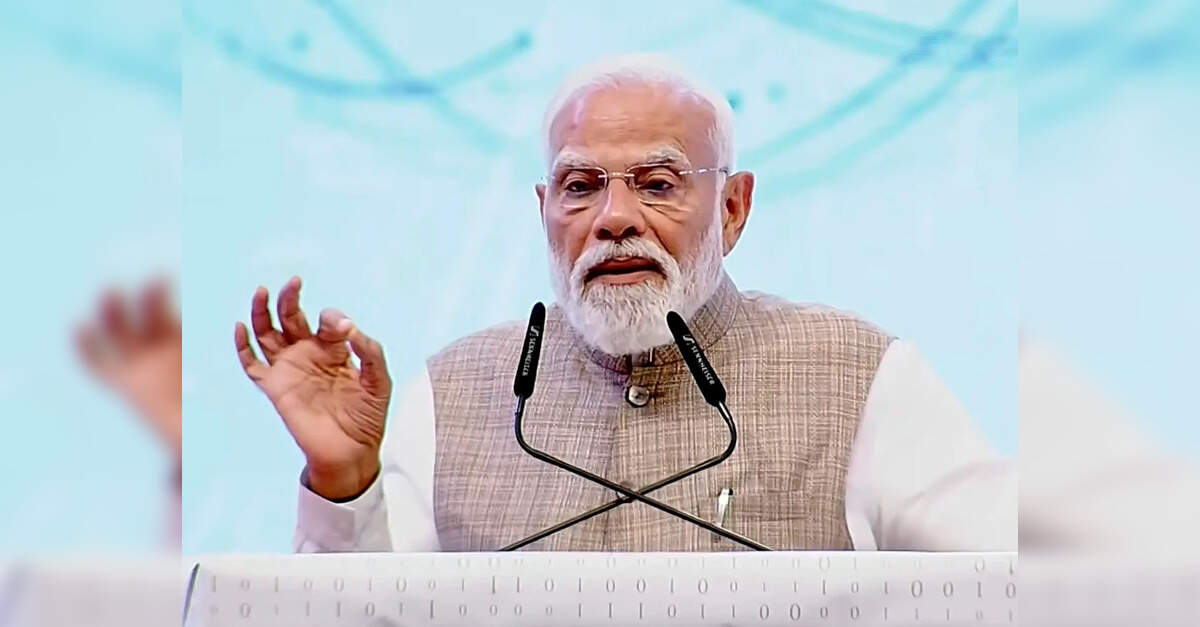
Prime Minister Narendra Modi’s recent dialogue with Iranian President Masoud Pezeshkian has cast a stark spotlight on the deteriorating security landscape across the Middle East, a region pivotal to global energy markets. This high-level diplomatic outreach underscores the significant risks now directly impacting oil supply lines and, consequently, investor portfolios. For oil and gas investors, understanding these escalating tensions is no longer a peripheral concern but a central pillar of market analysis, demanding a close watch on both immediate price reactions and long-term strategic shifts. Modi’s direct expression of “deep concern over the escalation of tensions and the loss of civilian lives as well as damage to civilian infrastructure” highlights the multifaceted crisis that threatens not just humanitarian outcomes but also the stability of critical energy transit routes and production capabilities.
Crude Volatility Amidst Regional Instability: A Market Snapshot
The geopolitical tremor emanating from the Middle East continues to exert a palpable influence on crude benchmarks, even as other factors weigh on prices. As of today, Brent Crude trades at $90.38 per barrel, holding flat for the day but reflecting a wider price range of $86.08 to $98.97, indicative of underlying volatility. WTI Crude mirrors this sentiment, currently priced at $82.59, also stable today within a daily range of $78.97 to $90.34. This current stability, however, masks a significant shift. Our proprietary data shows Brent has actually softened by nearly 20% over the past two weeks, dropping from $112.78 on March 30th to its current level. This sharp correction suggests that while geopolitical risk premiums remain, the market is also balancing supply-side fears with demand concerns or broader economic anxieties. Modi’s direct engagement with President Pezeshkian, highlighting “escalating tensions” and “damage to civilian infrastructure,” serves as a critical reminder that even with recent price pullbacks, the threat of supply disruption remains a powerful, ever-present factor in price formation. Investors must recognize that this dialogue, rather than immediately easing tensions, further solidifies the perception of a region on edge, where a single incident could rapidly re-inject a substantial risk premium.
Investor Concerns: Navigating Supply Security and Price Trajectories
Our reader intent data reveals a keen focus among investors on the immediate direction of crude prices, with questions like “is WTI going up or down?” dominating discussions. This immediate concern is inextricably linked to the geopolitical developments highlighted by the Modi-Pezeshkian talks. India, a rapidly growing economy, stands as one of the world’s largest importers of crude oil, with a substantial portion sourced from the Middle East. The Indian Prime Minister’s emphasis on the “safety and security of Indian nationals” and the “need for unhindered transit of goods and energy” directly reflects the strategic vulnerability faced by major consumers. Any escalation impacting shipping lanes or production facilities in the region could trigger immediate supply shocks, pushing WTI and Brent upwards. Conversely, a de-escalation, however unlikely in the near term, or a perception of contained risk, could allow prices to drift lower, driven by other fundamentals like demand elasticity or inventory builds. Beyond the immediate outlook, investors are also seeking clarity on long-term trajectories, asking “what do you predict the price of oil per barrel will be by end of 2026?” The answer, in large part, hinges on how these geopolitical risks evolve. Persistent instability will likely bake in a higher base price for crude, while any significant de-escalation could see a re-evaluation of long-term forecasts downwards, assuming demand holds steady.
Upcoming Catalysts: OPEC+ and Inventory Reports in a Tense Environment
Looking ahead, the next two weeks are packed with critical energy events that will interact with this geopolitical backdrop, offering both potential catalysts and further volatility. The upcoming OPEC+ Joint Ministerial Monitoring Committee (JMMC) Meeting on April 20th, followed by the full OPEC+ Ministerial Meeting on April 25th, will be paramount. Given the recent dialogue between India and Iran, and the broader regional instability, the market will be keenly watching for any signals from OPEC+ regarding production policy. Will they maintain current cuts, fearing an oversupply in a fragile demand environment, or will geopolitical risks prompt a more cautious stance on future output increases, perhaps to ensure market stability in the face of potential disruption? Concurrent to these policy discussions, the market will process weekly data from the API and EIA on April 21st and 22nd, and again on April 28th and 29th. Significant inventory builds could exert downward pressure, while draws might signal tightening fundamentals, potentially amplified by the ‘security premium.’ The Baker Hughes Rig Count on April 24th and May 1st will offer insights into North American supply dynamics, providing another piece of the puzzle. Investors should monitor these events closely, as their outcomes, when filtered through the lens of heightened Middle East tensions, will dictate near-term price action and inform strategic positioning.
Investment Implications: Navigating Risk in a Geopolitically Charged Market
For sophisticated oil and gas investors, the current environment demands a nuanced approach to portfolio management. The Modi-Pezeshkian discussions are not just diplomatic niceties; they are a clear signal of elevated systemic risk to global energy supply. Companies with significant upstream exposure in politically stable regions or those with diversified energy portfolios may offer a degree of insulation from the most acute geopolitical shocks. Furthermore, midstream and downstream players, while not immune, might exhibit different risk profiles depending on their supply chain resilience and ability to pass on costs. This period of geopolitical uncertainty underscores the value of robust risk management strategies, including hedging and maintaining flexible capital deployment plans. Rather than simply reacting to headlines, investors should focus on companies with strong balance sheets, operational efficiency, and a proven track record of navigating volatile markets. The long-term trajectory of oil prices will increasingly be influenced by the ability of global powers to manage regional flashpoints, making geopolitical analysis as crucial as supply-demand fundamentals in formulating investment theses for the foreseeable future.


