A Temporary Reprieve: US Waiver Unleashes Russian Barrels Amidst Tight Supply
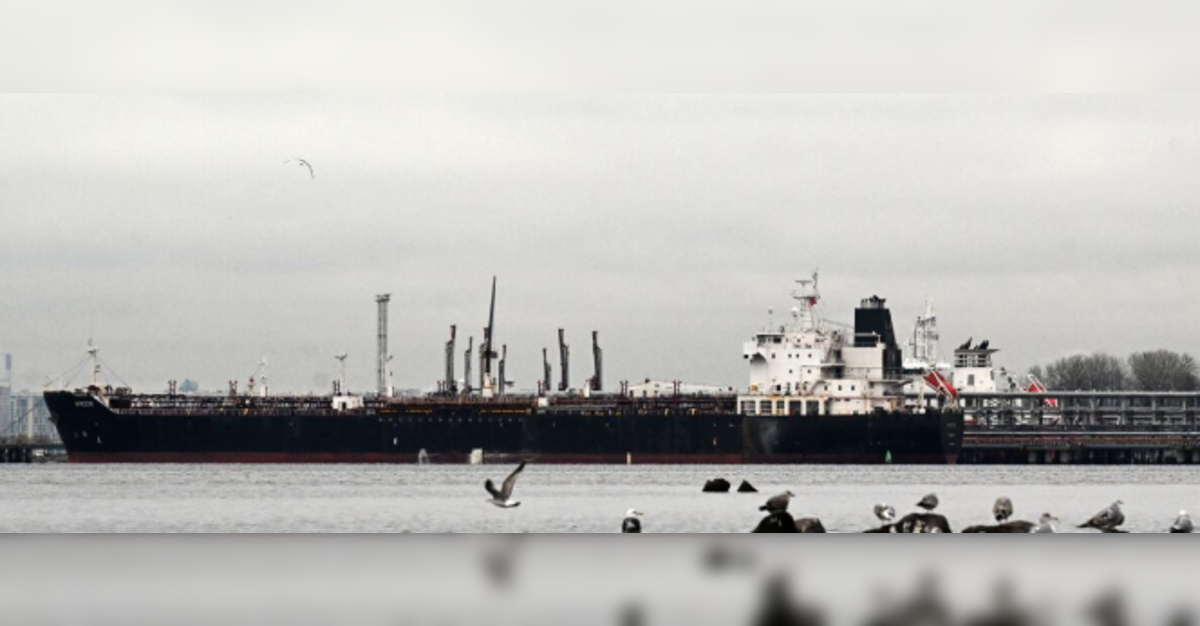
The global oil market has received a significant, albeit temporary, injection of supply following the US Treasury’s decision to grant a month-long waiver for Russian crude and refined products loaded before a recent Thursday cutoff. This move has effectively unlocked approximately 19 million barrels of Russian crude and an additional 310,000 tons of refined products, primarily naphtha and some diesel, which were previously held in a state of limbo aboard some 30 tankers in Asian waters. For investors closely monitoring energy market dynamics, this development offers a crucial, though short-lived, counterpoint to persistent supply concerns, particularly against the backdrop of ongoing geopolitical tensions impacting key shipping lanes.
Immediate Market Reaction and Price Dynamics
The immediate impact of this supply release is nuanced, reflecting both the urgency of the global supply situation and the temporary nature of the waiver. As of today, Brent crude trades at $92.76 per barrel, registering a slight decline of 0.51% within a day range of $92.57 to $94.21. Similarly, WTI crude is priced at $89.24, down 0.48%, fluctuating between $88.76 and $90.71. This modest softening in prices comes after a more pronounced downward trend over the past two weeks, during which Brent shed approximately 7%, dropping from $101.16 on April 1st to $94.09 by April 21st. The availability of these Russian barrels, which include grades like Sokol near China and medium-sour Urals blend in the Arabian Sea, appears to be acting as a dampener on upward price momentum, providing a brief respite for a market otherwise grappling with tight fundamentals.
Navigating Supply Bottlenecks and Strategic Responses
The US waiver is not an isolated policy decision but a strategic response to acute supply pressures, most notably the significant bottleneck in the Strait of Hormuz. This critical chokepoint has seen hundreds of vessels, laden with crude and refined products such as diesel and jet fuel, stranded, exacerbating global supply chain disruptions. The month-long allowance for Russian cargoes, some of which are signaling “for orders” or heading to marketing hubs like Singapore and Malaysia, provides much-needed flexibility for countries and refiners. This short-term measure buys participants time to source alternatives and manage inventories, particularly for products like diesel, which have seen price surges due to the Middle East supply shock. It underscores a global priority for energy security, where availability often trumps origin in moments of crisis, allowing nations like China and India to continue their strategic purchases of discounted Russian crude.
Investor Focus: Price Trajectories and Upcoming Catalysts
Our proprietary reader intent data reveals a consistent theme this week: investors are intensely focused on crude price trajectories. Many are asking: “Is WTI going up or down?” and seeking predictions for oil prices by the end of 2026. While the current waiver offers temporary relief, its month-long duration means its influence on long-term price trends is limited. Instead, investors should pivot their attention to a series of upcoming market events that will provide more definitive signals regarding supply-demand balances and production outlooks.
The EIA Weekly Petroleum Status Reports, scheduled for April 22nd, April 29th, and May 6th, will be crucial. These reports will offer fresh data on US crude oil inventories, refinery utilization, and demand indicators, helping to clarify whether the market is truly rebalancing or merely experiencing a fleeting pause in tightness. Concurrently, the Baker Hughes Rig Count, due on April 24th and May 1st, will give a real-time pulse on North American drilling activity, a key factor in future WTI supply. Furthermore, the EIA Short-Term Energy Outlook on May 2nd will provide a broader, forward-looking perspective, essential for formulating those end-of-2026 price predictions our readership is actively seeking. The temporary Russian supply, while significant at 19 million barrels, serves as a tactical intervention; the strategic direction of oil prices will be dictated by these fundamental data releases and evolving geopolitical landscapes.
Geopolitical Dynamics and Long-Term Market Rebalancing
The US waiver, while pragmatic, does not fundamentally alter the broader geopolitical contours of the oil market. The ongoing sanctions against Russia continue to reshape global trade flows, creating distinct buyer segments. China and India remain the primary beneficiaries of discounted Russian crude and products, strategically bolstering their energy supplies. This contrasts sharply with other major economies, such as Japan and South Korea, which have largely avoided Russian barrels due to sanction pressures and reputational risks. The availability of these “for orders” cargoes highlights the complex logistics and pricing differentials that have become normalized in this bifurcated market.
Looking ahead, while the waiver addresses an immediate logistical challenge, the underlying drivers of market volatility persist. Geopolitical risks, particularly those impacting crucial shipping lanes, will continue to command a premium in crude prices. Investors should consider how these tactical waivers and the resulting shifts in trade routes contribute to the ongoing rebalancing of global energy supply chains. The market is constantly adapting, and understanding these complex interdependencies, rather than focusing solely on day-to-day price movements, will be key to navigating oil and gas investments effectively in the coming quarters.


