PTTEP’s Arthit CCS Project: A Strategic Beacon for Thailand’s Energy Transition
PTTEP’s commitment to the Arthit Carbon Capture and Storage (CCS) project marks a pivotal moment for Thailand’s energy landscape and offers a compelling case study for investors navigating the global energy transition. This initiative represents Thailand’s inaugural large-scale deployment of CCS technology, firmly positioning the national upstream leader at the forefront of regional decarbonization efforts. Recognized as a flagship greenhouse gas reduction initiative under the Nationally Determined Contribution (NDC) Action Plan on Mitigation 2021-2030, the Arthit project is more than just an operational upgrade; it’s a strategic investment signaling PTTEP’s long-term vision and adaptability in a carbon-conscious world. For astute investors, understanding the technological underpinnings, market context, and future implications of such projects is crucial for identifying sustainable growth opportunities within the evolving oil and gas sector.
De-Risking Future Production: PTTEP’s Proactive Stance on Emissions
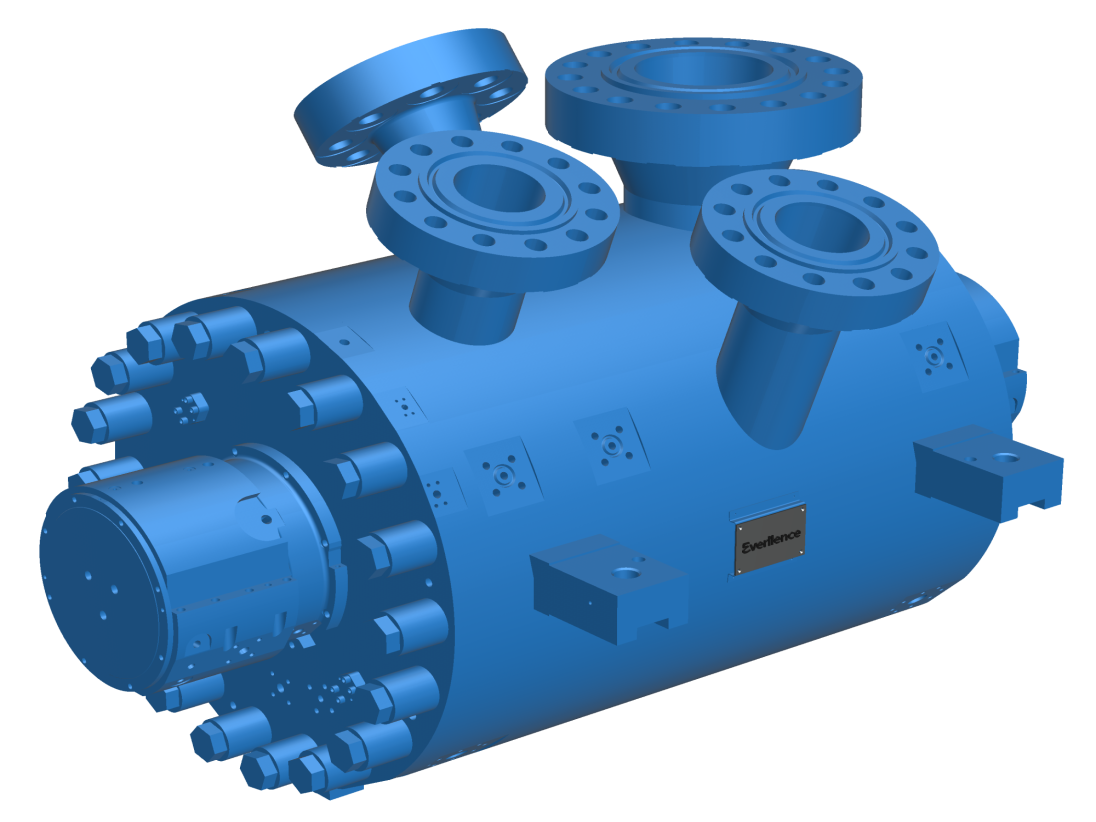
The Arthit CCS project, with storage operations slated to commence in 2028, directly addresses the increasing pressure on energy producers to mitigate their environmental footprint. By implementing CO2 capture and reinjection at the offshore Arthit field, PTTEP is proactively de-risking its future gas production from potential carbon taxes, stricter regulations, and evolving investor sentiment. This strategic move highlights the company’s commitment to maintaining its social license to operate while securing its long-term asset value. The choice of Everllence as a technology partner, providing two robust RB barrel-type compressor trains driven by gas turbines, underscores a focus on proven expertise and performance in demanding offshore environments. These units are specifically designed for high efficiency and reliability in CO2 handling and reinjection, ensuring stable, long-term operation. Furthermore, the inclusion of a comprehensive dynamic process simulation solution indicates a forward-thinking approach to maximizing process efficiency and system integration within PTTEP’s existing infrastructure, a critical factor for investor confidence in project execution and operational uptime.
Navigating Market Volatility: Crude Prices and the Imperative for Decarbonization
Even as the industry pivots towards decarbonization, the overarching crude market remains a critical determinant of investment appetite and project funding. As of today, Brent crude trades at $92.76 per barrel, reflecting a modest dip of 0.51% within a day range of $92.57-$94.21. Similarly, WTI crude stands at $89.24, down 0.48%, fluctuating between $88.76 and $90.71. This intraday movement follows a broader trend, with Brent having declined by approximately 7% over the past 14 days, from $101.16 on April 1st to $94.09 on April 21st. Our proprietary reader intent data reveals a keen focus on this market volatility, with investors frequently querying the near-term trajectory of WTI and Brent, alongside seeking predictions for oil prices by the end of 2026. This ongoing demand for future price clarity underscores the challenge for companies like PTTEP: how to fund significant decarbonization projects while navigating fluctuating commodity revenues. However, it also highlights the strategic advantage of projects like Arthit. By reducing the carbon intensity of their operations, PTTEP enhances its appeal to a growing pool of ESG-conscious capital, potentially diversifying funding sources and mitigating risks associated with future carbon pricing regimes, regardless of short-term crude price swings.
Future Catalysts: Regulatory Support and Upcoming Market Insights
The success and scalability of projects like Arthit are not solely dependent on technological prowess or company initiative; they are significantly bolstered by a supportive regulatory environment and broader market signals. The Arthit project’s recognition under Thailand’s NDC Action Plan provides a strong indication of governmental backing, which can translate into favorable policy, incentives, and a clear pathway for future CCS expansion. For investors, this reduces regulatory risk and enhances the long-term viability of such ventures. Looking ahead, a series of critical energy events will continue to shape market sentiment and investment decisions. The upcoming EIA Weekly Petroleum Status Reports on April 22nd, April 29th, and May 6th, along with the API Weekly Crude Inventory reports on April 28th and May 5th, will offer fresh insights into U.S. supply-demand dynamics. Furthermore, the Baker Hughes Rig Count on April 24th and May 1st will provide a pulse on upstream activity. Crucially, the EIA Short-Term Energy Outlook on May 2nd will offer updated projections for global oil and gas markets, which can influence how investors perceive the urgency and economic returns of decarbonization investments. PTTEP’s early mover advantage with Arthit positions it well to capitalize on an increasingly carbon-constrained future, regardless of the nuances revealed by these short-term market indicators, by demonstrating a tangible commitment to sustainable energy production.