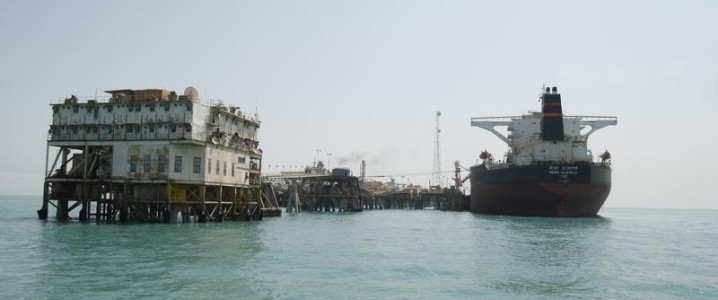
Iraq will maintain crude oil production at roughly 1.4 million barrels per day as the war disrupting the Persian Gulf continues to cripple the country’s export routes, Oil Minister Hayan Abdel-Ghani said Thursday, according to the state news agency.
The figure represents a dramatic collapse from Iraq’s normal production levels. Before the conflict effectively froze tanker traffic through the Strait of Hormuz, Iraq had been pumping a little over 4 million barrels per day, according to recent OPEC data and secondary-source estimates cited in the group’s Monthly Oil Market Report. In other words, the country is currently producing barely one-third of its typical output.
The problem isn’t a lack of oil in the ground—it’s getting that oil to market.

With Gulf export routes largely unavailable, Iraq has been forced to improvise. About 200,000 barrels per day are now being moved by truck through neighboring countries including Turkey, Syria, and Jordan, according to the oil minister. Even so, those alternative routes barely scratch the surface compared with Iraq’s normal export capacity.
Most of Iraq’s oil is produced in its southern fields and typically shipped out via terminals in the Gulf. With maritime flows disrupted by the conflict, production from those fields has reportedly plunged roughly 70%.
The economic consequences are severe. Oil sales account for more than 90% of Iraq’s government revenue and fund the bulk of public spending. A prolonged disruption threatens to blow a hole in the country’s already fragile finances.
Baghdad is now exploring alternative export routes in hopes of stabilizing the situation. The oil ministry has asked the Kurdistan Regional Government to pump at least 100,000 barrels per day from the Kirkuk fields and send the crude north through Turkey’s Ceyhan pipeline. Officials say an agreement on exports via Ceyhan is expected soon, though details remain unclear.
By Julianne Geiger for Oilprice.com
More Top Reads From Oilprice.com


