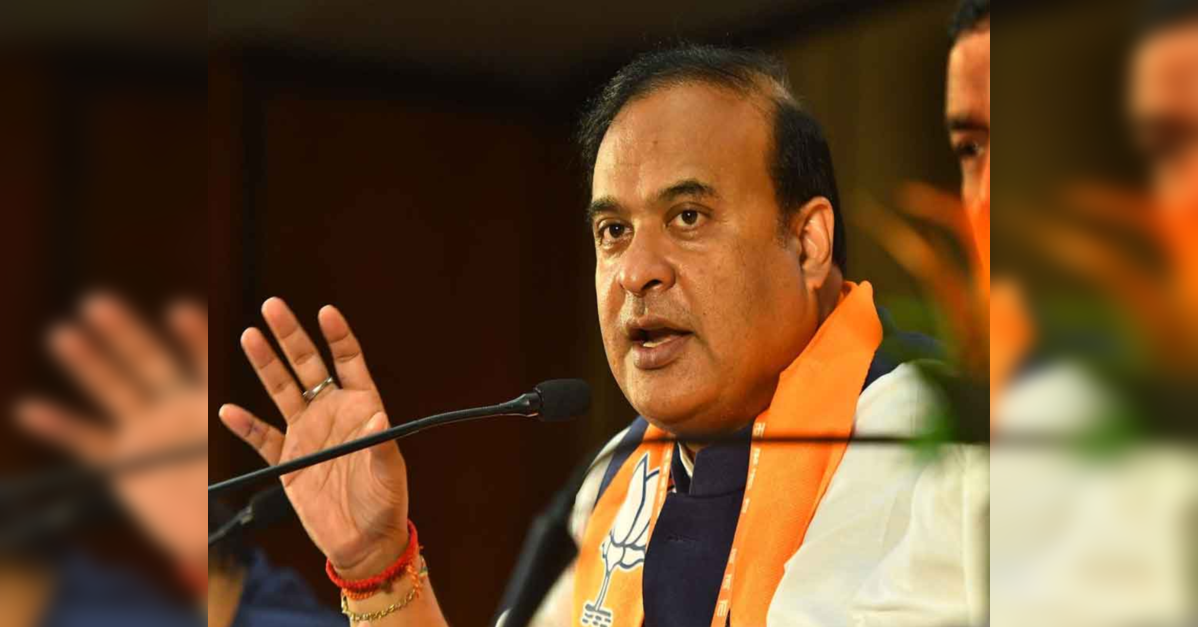
India’s proactive approach to energy security, particularly concerning domestic liquefied petroleum gas (LPG) supply, continues to be a key focus for investors tracking global energy markets. Recent assurances from top officials regarding the stability of LPG availability in the Northeast region underscore a broader national strategy to insulate its massive consumer base from international supply chain disruptions. For investors, this signals a commitment to energy independence and demand management, factors that significantly influence the long-term outlook for energy companies operating within or supplying to the Indian subcontinent.
India’s Strategic Energy Diversification Amid Geopolitical Shifts
The stability of India’s domestic LPG supply is not merely a regional issue but a testament to a deliberate, multi-pronged national energy strategy. The Indian government has actively diversified its energy procurement, now sourcing gas from approximately 40 countries, including significant volumes of oil and gas from Russia. This strategic pivot aims to build resilience against global supply shocks, particularly those emanating from the Middle East, which have historically introduced volatility into energy markets. This diversification, coupled with a recent directive for refiners to prioritize state-run oil marketing companies (IOC, Bharat Petroleum, and Hindustan Petroleum) for LPG sales, creates a more controlled domestic supply environment. For energy investors, this approach reduces the direct exposure of Indian consumers to geopolitical risks, potentially stabilizing demand for domestic energy products and creating a more predictable operating landscape for state-backed entities.
Domestic Demand Management and Investor Confidence
Beyond international procurement, India is implementing robust domestic measures to ensure supply chain integrity. The confirmation that all eight LPG bottling plants in the Northeast are operating normally provides a crucial operational update. More significantly, the re-enforcement of a 25-day lock-in rule for LPG cylinders aims to stabilize demand by curbing panic buying, hoarding, and diversion. This is a critical demand-side management strategy. From an investor perspective, such interventions, while potentially viewed as regulatory interference, can also be seen as a governmental commitment to market stability. Predictable supply, even if managed, fosters consumer confidence and reduces the likelihood of sudden price spikes or shortages that could impact broader economic stability. Companies with strong ties to the Indian downstream sector should evaluate how these regulations might influence their operational flexibility and market penetration strategies, recognizing the government’s clear intent to prioritize consumer access and price stability.
Crude Volatility and Downstream Margins: Investor Concerns
The current global crude oil market presents a complex backdrop for India’s energy security initiatives. As of today, April 22, 2026, Brent Crude trades at $92.83 per barrel, reflecting a slight daily dip of 0.44% within a range of $92.57 to $94.21. WTI Crude follows a similar trend, priced at $89.30, down 0.41%, with a daily range of $88.76 to $90.71. Gasoline prices, a key indicator for refined products, stand at $3.11, down 0.64% for the day. While these daily movements appear modest, OilMarketCap.com’s proprietary data pipelines indicate a more significant trend over the past two weeks, with Brent crude having declined by $7.07, or 7%, from $101.16 on April 1, 2026, to $94.09 on April 21, 2026. This sustained volatility directly impacts the profitability of refiners and the cost of subsidized LPG for the Indian government.
Our first-party intent data reveals that investors are keenly focused on these price dynamics, with frequent inquiries about the future direction of WTI and predictions for the price of oil per barrel by the end of 2026. This underscores a broader concern about upstream revenue stability and downstream margin pressures. For India, a net importer of crude, high and volatile prices translate to a heavier import bill and increased subsidy burdens for domestic fuels like LPG. While the domestic supply chain for LPG appears stable, the underlying cost structure remains highly sensitive to global crude benchmarks. Investors in Indian energy companies must therefore assess the resilience of their balance sheets to absorb crude price fluctuations and the potential for government intervention to manage consumer prices, which could impact refining and marketing margins.
Upcoming Catalysts and the Path Forward for Energy Investors
The coming weeks are packed with critical data releases that will further shape the global energy outlook and, by extension, the investment landscape for Indian energy. The EIA Weekly Petroleum Status Reports, scheduled for April 22, April 29, and May 6, will provide crucial insights into U.S. crude and product inventories, refining activity, and demand indicators. These reports often trigger significant market reactions, influencing crude prices and refined product margins. Similarly, the Baker Hughes Rig Counts on April 24 and May 1 will offer a forward-looking perspective on North American drilling activity and potential future supply. Perhaps most impactful for investors seeking long-term clarity will be the EIA Short-Term Energy Outlook (STEO) on May 2. The STEO provides detailed forecasts for supply, demand, and prices across various energy commodities, directly addressing investor questions about the potential price of oil per barrel by the end of 2026. These events, combined with India’s ongoing efforts to secure and manage its domestic energy supply, will dictate the operational environment for energy firms and the strategic decisions of investors navigating a complex and interconnected global market.


