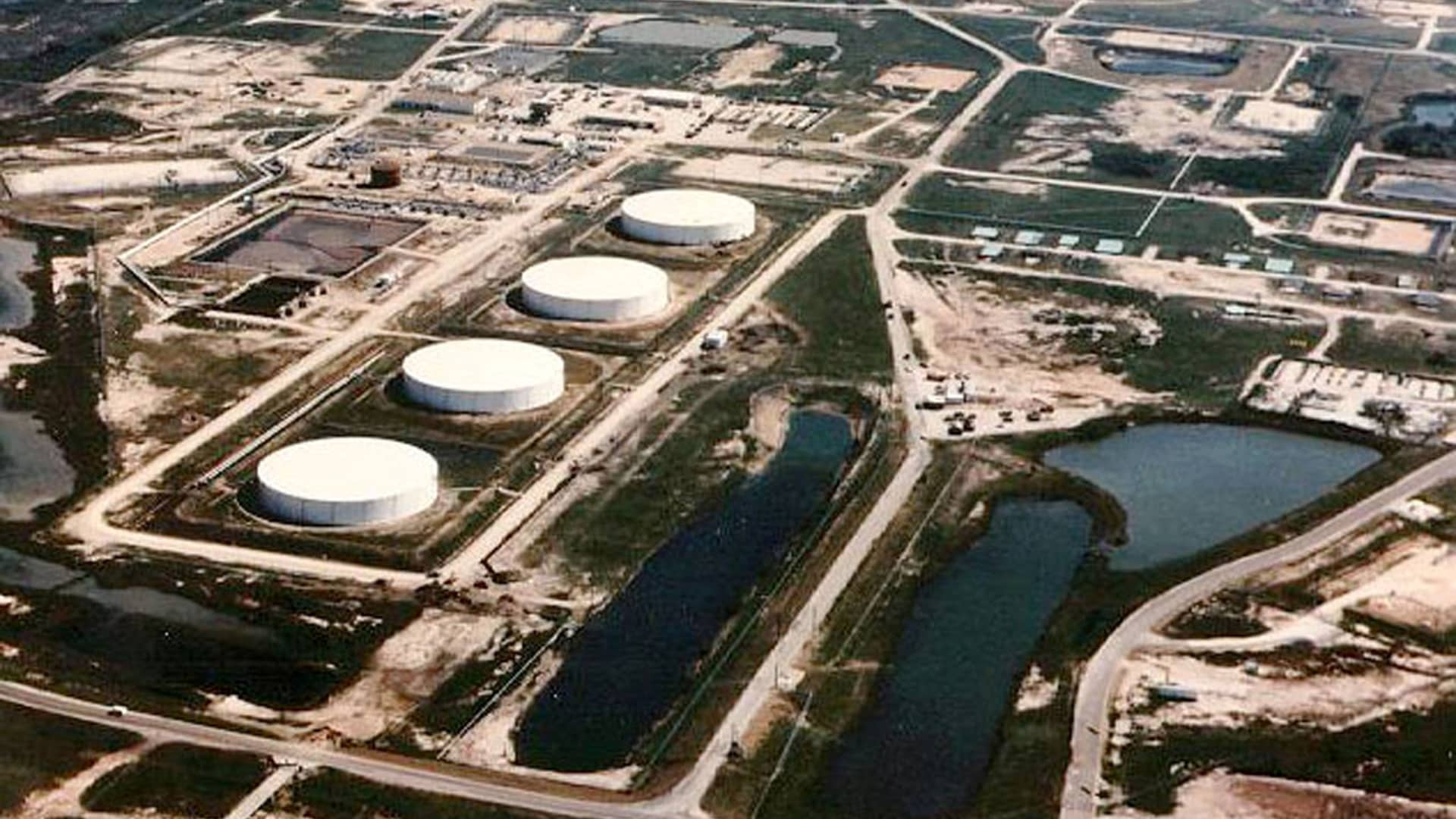
The global oil market is once again grappling with the specter of strategic petroleum reserve (SPR) releases, a move traditionally reserved for severe supply disruptions. Recent statements from former President Donald Trump, indicating a willingness to tap the U.S. SPR to curb energy costs amid geopolitical tensions, signal a potential shift in market dynamics. This comes on the heels of the International Energy Agency’s (IEA) significant commitment to release 400 million barrels of oil, the largest coordinated action in its five-decade history. For savvy oil and gas investors, understanding the implications of these potential supply injections, against a backdrop of existing market volatility and reader-driven inquiries, is paramount for navigating the coming weeks.
Immediate Market Reaction and Underlying Price Trends
While the stated intent behind a potential SPR release is to combat escalating energy costs, a concern that pushed U.S. gasoline averages towards higher levels recently, our live data indicates a more tempered market as of today. Brent crude currently trades at $92.83, registering a slight dip of 0.44% within its daily range of $92.57 to $94.21. Similarly, WTI crude is at $89.30, down 0.41% and oscillating between $88.76 and $90.71. U.S. gasoline prices have also seen a modest retreat to $3.11 per gallon, a 0.64% decline, indicating some pressure relief or perhaps an anticipation of further supply. This recent easing comes after Brent crude experienced a notable decline of 7% over the past two weeks, falling from $101.16 on April 1st to $94.09 yesterday, suggesting some market participants may have already priced in potential supply additions or reacted to broader market sentiment.
The U.S. SPR currently holds 415 million barrels, representing approximately 58% of its authorized capacity of 714 million barrels. Any additional U.S. release would augment the IEA’s substantial 400 million barrel commitment, potentially flooding the market with a significant volume of crude. Investors must weigh the immediate bearish pressure from this increased supply against the underlying geopolitical risks that prompted these discussions in the first place, primarily the ongoing “Iran war” which has triggered a disruption of global oil supplies. The market’s reaction to such a large, coordinated release will be a key indicator of current supply-demand elasticity.
Geopolitical Triggers and Strategic Reserve Utility
The impetus for these strategic releases stems directly from heightened geopolitical instability, specifically the “Iran war,” which has demonstrably impacted global oil supplies and pushed prices higher in recent periods. The coordinated IEA action, involving over 30 member economies, underscores the severity of the perceived supply disruption. For the U.S., Interior Secretary Doug Burgum has confirmed that the final decision on American participation rests with former President Trump, emphasizing the political dimension of these energy policy moves. Trump’s past actions, stating “I filled it up once, and I’ll fill it up again,” suggest a strategic view of the SPR not just as a tap for emergencies but also as a potential future demand driver for refilling. This dynamic creates a complex outlook for investors, balancing short-term supply alleviation with long-term strategic replenishment strategies.
Investors should recognize that while emergency releases aim to stabilize prices by increasing immediate supply, they do not resolve the root causes of geopolitical supply risks. The market’s focus will shift from the sheer volume of the release to the duration of the underlying conflict and the potential for further disruptions. Companies with diversified supply chains or those positioned to benefit from increased domestic production might find themselves more resilient in such an environment. The effectiveness of these releases in sustainably lowering energy costs will depend heavily on the evolution of the geopolitical landscape and the capacity of producers to ramp up output in response.
Investor Sentiment and Forward-Looking Catalysts
Our proprietary intent data reveals that investors are actively seeking clarity on market direction, with common queries like “is WTI going up or down” and “what do you predict the price of oil per barrel will be by end of 2026?” These questions highlight the prevailing uncertainty and the need for robust forward-looking analysis. The potential for a significant SPR release directly addresses short-term supply concerns, which could lead to further downward pressure on crude prices in the immediate future. However, the longer-term outlook is far more nuanced.
Looking ahead, investors will closely monitor key data releases that could further shape price action and offer insights into the questions driving market sentiment. This Wednesday, April 22nd, the EIA Weekly Petroleum Status Report will provide crucial insights into U.S. crude oil and gasoline inventories. A significant build could reinforce downward pressure on prices, while an unexpected draw might temper the impact of SPR news and geopolitical concerns. Further data points, such as the Baker Hughes Rig Count on April 24th and May 1st, will offer clues on future domestic production trends, crucial for assessing the long-term supply picture. API Weekly Crude Inventory reports on April 28th and May 5th will provide early indicators of supply shifts, often preceding the official EIA data.
Perhaps most critically for those asking about year-end price targets, the EIA Short-Term Energy Outlook on May 2nd will be released. This report will offer updated price forecasts and supply/demand balances through the rest of 2026, directly addressing concerns about where oil prices might end the year. These upcoming events provide critical checkpoints for investors to reassess their positions and adjust strategies in light of unfolding supply-side interventions and persistent demand-side uncertainty.
The Future of SPR Replenishment: A Long-Term Demand Signal
Beyond the immediate bearish implications of an SPR release, investors must also consider the long-term demand signal embedded in former President Trump’s statement about refilling the reserve. The idea of “filling it up again” implies a future period of strategic purchases to restore national reserves. This creates a potential floor for oil prices down the line, as the U.S. would eventually re-enter the market as a significant buyer. The timing and scale of such replenishment efforts would heavily influence future crude demand and pricing. While the immediate focus is on supply *additions*, the medium to long-term outlook includes eventual supply *removals* from the market to replenish reserves.
For investors, this suggests a cyclical pattern where current sales are followed by future purchases, offering a potential long-term bullish catalyst that could mitigate some of the short-term downside. Companies involved in crude storage, transportation, or those with robust production capabilities that can ramp up efficiently during a replenishment phase might find themselves favorably positioned. The key will be anticipating the economic and political conditions under which such replenishment would occur, likely when prices are perceived as favorable for buying, which could create significant price support in future cycles.


