The global energy landscape is currently defined by a complex interplay of geopolitical tensions, with the simmering conflict in the Middle East dominating headlines and reshaping investor calculus. While international attention has understandably shifted, the ramifications for Russia’s position in the global oil and gas market remain profound and multifaceted. This period presents both potential windfalls and persistent challenges for Moscow, creating a volatile environment that demands astute analysis from energy investors. At OilMarketCap.com, our proprietary data pipelines offer unparalleled insight into these dynamics, allowing us to deliver an original perspective on where the market stands and where it’s headed.
Geopolitical Premiums and Russia’s Evolving Role
The initial escalation of tensions in the Middle East introduced a significant geopolitical risk premium into crude oil prices. However, as of today, Brent Crude trades at $92.9 per barrel, reflecting a -0.36% dip, while WTI Crude stands at $89.45 per barrel, down -0.25%. This marks a notable softening from the recent peaks observed earlier this month; our 14-day Brent trend data indicates a decline from $101.16 on April 1st to $94.09 on April 21st, a decrease of approximately 7%. This initial price surge did offer Russia a temporary boost, particularly given its Urals blend saw substantial gains at one point. The strategic implications extend beyond mere price spikes; a de facto closure or significant disruption of the Strait of Hormuz would dramatically alter global logistics, potentially making Russian supplies, especially those routed through less conventional pathways to Asian markets, logistically more attractive. India’s imports of Russian oil, currently around 1.2 million barrels per day, already significantly exceed pre-conflict forecasts, underscoring this shift.
Russia’s Budgetary Tightrope: Short-Term Gains vs. Long-Term Challenges
Despite the recent uptick in oil prices driven by geopolitical risk, Russia’s fiscal health remains precarious. The Kremlin has grappled with budget deficits for the past four years, leading to a substantial drain on its national savings fund, primarily to finance its ongoing conflict. While reports suggest every $11-per-barrel increase above Russia’s budget could generate an additional $28 billion by year-end, the immediate impact on its overall financial stability is limited. Current policy mandates that any oil price windfalls must first be directed to replenish the depleted rainy-day fund. Analysts suggest that even with Urals crude trading at $70 a barrel, Russia would only see a marginal 0.1% reduction in its annual budget deficit relative to GDP. This directly addresses what many of our readers are asking, with searches like “is wti going up or down” and “what do you predict the price of oil per barrel will be by end of 2026” indicating a strong investor focus on sustained price levels. For Russia to truly alleviate its budgetary pressures, a scenario of “higher for longer” oil prices, coupled with a weakening ruble, would be essential, a prospect that remains uncertain amidst global economic headwinds and persistent sanctions.
Sanctions, Supply Chains, and Europe’s Energy Dilemma
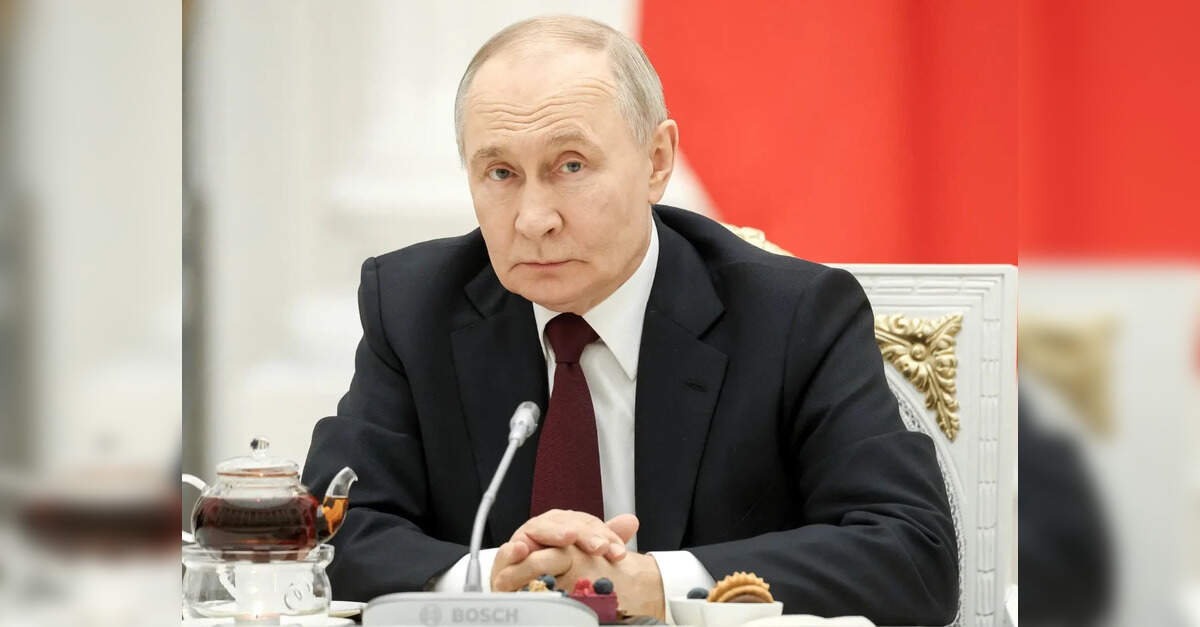
The effectiveness of Western sanctions continues to shape Russia’s energy export strategy. The European Union’s 2022 ban on maritime imports of Russian crude, along with disruptions to pipeline exports like the Druzhba pipeline, have largely redirected Russia’s oil flows towards Asian markets. This reliance on a narrower set of buyers, predominantly India and China, introduces its own set of vulnerabilities and pricing pressures for Moscow. Interestingly, the recent surge in oil prices has prompted renewed debate within Europe regarding its reliance on Russian energy. The energy minister of Norway, a key non-EU supplier, recently indicated that soaring prices could reignite discussions about an earlier implementation of a full ban on Russian gas imports, currently slated for 2027. Russian President Vladimir Putin has attempted to leverage this situation, offering to supply Europe with oil on a “long-term” and “politically free” basis should sanctions be reversed. This offer, however, is largely perceived as a strategic maneuver rather than an immediate solution, highlighting the deep geopolitical fissures that continue to define global energy trade.
Navigating Future Volatility: Key Events on the Horizon
For investors keenly observing the energy markets, the coming weeks present several crucial data releases that will offer deeper insights into supply-demand dynamics and potential price movements. This Wednesday, April 22nd, the EIA Weekly Petroleum Status Report will provide vital statistics on U.S. crude oil and product inventories, refinery activity, and demand indicators. Following closely, the Baker Hughes Rig Count on Friday, April 24th, will offer an early look at North American drilling activity, a bellwether for future production. The cycle continues into the following week with the API Weekly Crude Inventory report on April 28th, another EIA Weekly Petroleum Status Report on April 29th, and a further Baker Hughes Rig Count on May 1st. Perhaps most significantly for forward-looking analysis, the EIA Short-Term Energy Outlook is scheduled for May 2nd. These reports are not just numbers; they are leading indicators that, when interpreted against the backdrop of ongoing geopolitical tensions, can signal shifts in market sentiment and provide actionable intelligence for portfolio adjustments. Investors must remain vigilant, as these data points, combined with any further developments in global geopolitics, will dictate the trajectory of oil prices and the profitability of energy investments in the near term.


