G-7 Readiness to Tap Strategic Reserves: What it Means for Oil Investors
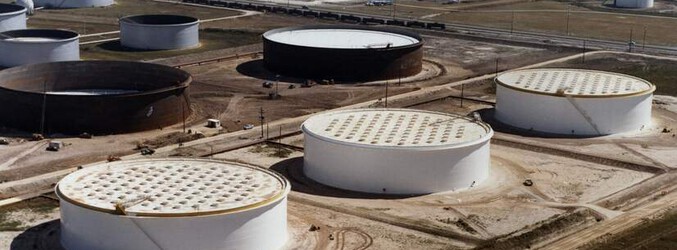
The Group of Seven finance ministers recently signaled their readiness to take “necessary measures” to support global energy supply, including the potential release of strategic oil reserves. This declaration, made following a virtual meeting to discuss the impact of ongoing geopolitical tensions in the Middle East on regional stability, global economic conditions, and crucial trading routes, sends a clear message to energy markets. With participation from key international bodies like the International Monetary Fund, World Bank Group, OECD, and the International Energy Agency, the collective statement underscores a heightened level of concern regarding energy security. For astute oil and gas investors, this isn’t merely a headline; it’s a critical signal demanding a deeper dive into market implications, potential price volatility, and strategic positioning.
Market Dynamics and the Rationale for Intervention
As of today, Brent Crude trades at $92.89, reflecting a modest -0.38% dip within a daily range of $92.57-$94.21. WTI Crude follows closely at $89.51, down -0.18% for the day. While these daily movements appear relatively contained, the underlying sentiment remains fragile. Looking at the broader picture, Brent has seen a notable decline over the past two weeks, dropping from $101.16 on April 1st to $94.09 on April 21st, a $7.07 or 7% reduction. This preceding downtrend, even amidst geopolitical uncertainty, highlights the market’s sensitivity to various factors, from demand outlooks to supply fears. The G-7’s statement, therefore, arrives at a moment when the market is already seeking direction, with their explicit mention of supporting global supply and potential stockpile releases acting as a potential cap on extreme upside in the near term. Their focus on monitoring energy markets and coordinating within the G-7 and with international partners indicates a proactive stance aimed at preventing severe price spikes that could destabilize global economies.
Investor Sentiment and the Efficacy of Strategic Releases
The prospect of strategic oil reserve releases inevitably sparks debate among investors, many of whom are grappling with the immediate question: “is WTI going up or down?” Historical data suggests that while such releases can offer temporary price relief, their long-term impact on fundamental supply-demand dynamics is often limited. Strategic Petroleum Reserve (SPR) drawdowns are typically a political tool designed to calm markets during acute supply disruptions or to counter inflationary pressures, rather than a structural solution to underlying imbalances. Investors understand this nuance. While a G-7 coordinated release might prevent a rapid ascent past, say, the $100 psychological barrier, the geopolitical premium associated with Middle East tensions and the broader supply outlook often reasserts itself once the initial market reaction subsides. This dynamic informs the more forward-looking questions we see from our readers, such as “what do you predict the price of oil per barrel will be by end of 2026?” Such inquiries underscore a recognition that short-term interventions are distinct from the long-term drivers that will ultimately shape the energy landscape and company valuations.
Navigating the Near-Term: Upcoming Data and Forward-Looking Catalysts
For investors seeking clarity, the coming weeks are packed with crucial data releases that will interact directly with the G-7’s statement. The EIA Weekly Petroleum Status Report, scheduled for Wednesday, April 22nd, and again on April 29th and May 6th, will provide critical insights into U.S. crude oil, gasoline ($3.11 today, down -0.64%), and distillate inventories, as well as refinery utilization and demand indicators. These reports are market movers, capable of either reinforcing or challenging the prevailing sentiment. Furthermore, the Baker Hughes Rig Count, due on Friday, April 24th, and again on May 1st, will offer a real-time pulse on U.S. drilling activity and future supply potential. Perhaps most significant for forward-looking analysis will be the EIA Short-Term Energy Outlook (STEO) on Saturday, May 2nd. The STEO provides official government projections for supply, demand, and prices across various energy commodities, offering a comprehensive view that could either validate or contradict current market assumptions. Investors should meticulously track these upcoming events, as they will provide tangible data points against which to measure the market’s reaction to the G-7’s readiness to intervene and will be instrumental in shaping short-to-medium term investment strategies.
Investment Implications Amidst Geopolitical Volatility
The G-7’s declaration serves as a reminder that geopolitical risks remain a potent, ever-present factor in oil and gas investing. While the prospect of strategic releases might temper extreme price spikes, it does not fundamentally alter the tight supply-demand balance or the vulnerability of global energy flows to disruption. Savvy investors should view this as a period of elevated volatility where careful risk management is paramount. Energy companies with diversified asset bases, strong balance sheets, and efficient operations are better positioned to weather price fluctuations. Furthermore, companies involved in infrastructure and logistics that ensure secure trading routes, a key concern highlighted by the G-7, could see increased strategic importance. For those looking to capitalize on potential price movements, a nuanced understanding of how short-term policy interventions intertwine with long-term market fundamentals and geopolitical realities will be key. This includes monitoring the effectiveness and scale of any potential G-7 coordinated release, juxtaposed against the underlying supply growth, global demand trends, and the continued premium priced into crude for ongoing geopolitical risk.


