Trion Drilling Underway: Woodside’s Strategic Deepwater Move Amidst Market Shifts
Woodside Energy has initiated a pivotal drilling campaign at the Trion field, marking a significant milestone in Mexico’s ultra-deepwater Gulf of Mexico sector. This aggressive move into deepwater production underscores Woodside’s long-term growth strategy, positioning the company to capitalize on future energy demand. With first oil targeted for 2028, this project represents a substantial capital commitment and a clear bet on the enduring need for conventional oil supplies, even as short-term market dynamics present their own challenges. For investors, understanding the strategic implications of Trion requires a deep dive into its operational scale, its place within Woodside’s portfolio, and how it aligns with the evolving global energy landscape, especially given recent price movements and upcoming market indicators.
Trion’s Scale and Market Context: A Multi-Billion Dollar Bet
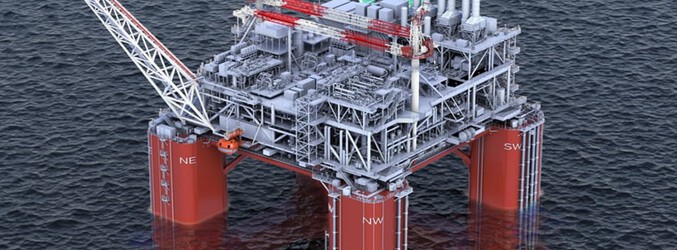
The Trion project is not merely another deepwater development; it’s a monumental undertaking designed to deliver significant production capacity. The ambitious plan includes drilling 24 subsea wells, all tied back to the Tláloc Floating Production Unit (FPU), engineered for an impressive nameplate capacity of approximately 100,000 barrels per day. Complementing this, the Chalchi Floating Storage and Offloading (FSO) vessel will provide nearly a million barrels of storage, ensuring efficient crude transfer. This scale of investment, reaching a final investment decision (FID) in 2023, reflects a long-term confidence in oil demand. However, this confidence is tested by the immediate market environment. As of today, Brent crude trades at $92.61, experiencing a slight decline of 0.68% within a day range of $92.57 to $94.21. Similarly, WTI crude sits at $89.26, down 0.46%, fluctuating between $88.76 and $90.71. These daily dips follow a more pronounced trend; Brent has seen a $7.07 drop, or 7%, from $101.16 on April 1st to $94.09 yesterday. Such market volatility highlights the inherent risks and potential rewards for projects like Trion, where profitability will hinge on price environments several years into the future, making the current market a crucial backdrop for assessing long-term commitments.
Deepwater GOM: A Long-Term Play Against Future Supply Dynamics
Developing ultra-deepwater assets like Trion is a capital-intensive, multi-year endeavor. The project’s 2028 first oil target means that its economic viability is tied directly to global supply and demand fundamentals projected nearly five years from now. This long lead time makes deepwater investments a strategic hedge against potential future supply crunches. The partnership between Woodside, holding a 60% operating interest, and Mexico’s national oil company, Petróleos Mexicanos (PEMEX), with its 40% stake, further underscores the strategic national importance of this project. For investors tracking the broader energy market, upcoming data releases offer critical context. The EIA Short-Term Energy Outlook, scheduled for May 2nd, will provide updated forecasts on global oil supply, demand, and prices, directly influencing perceptions of Trion’s future profitability. Weekly reports, such as the EIA Weekly Petroleum Status Reports (due April 22nd, April 29th, and May 6th) and the Baker Hughes Rig Count (April 24th and May 1st), offer shorter-term snapshots of drilling activity and inventory levels, which, while not directly impacting a 2028 project, collectively paint a picture of the industry’s health and investment appetite. These ongoing data points are vital for assessing the long-term supply-demand balance that Trion is designed to serve.
Investor Outlook: Navigating Long-Term Price Projections and Growth Strategies
A central question for our readers this week revolves around future oil prices, with many asking, “What do you predict the price of oil per barrel will be by end of 2026?” and “Is WTI going up or down?” These inquiries underscore the constant challenge investors face in forecasting market direction. Woodside’s commitment to Trion, with its first oil in 2028, signals a corporate view that demand will remain robust enough to justify significant deepwater investment well into the next decade. This project offers Woodside a powerful avenue for organic production growth and portfolio diversification, particularly given its strong position in the Australian LNG sector. Trion’s projected 100,000 bpd will be a material addition to Woodside’s output, strengthening its position as a global energy producer. For investors seeking exposure to long-cycle growth assets, Trion represents a tangible opportunity. The collaboration with PEMEX also provides a strategic entry into the Mexican deepwater frontier, a region with significant undeveloped potential. Investors should closely monitor Woodside’s operational updates and financial reporting for insights into project execution and capital efficiency, especially as the industry navigates a complex energy transition narrative while still meeting current energy needs.
Operational Execution: The Road Ahead for Ultra-Deepwater Success
The commencement of drilling operations by Transocean’s Deepwater Thalassa drillship, which arrived in Mexican waters on March 5th, marks the beginning of a complex and technically demanding phase. Executing 24 subsea wells in ultra-deepwater requires meticulous planning, advanced technology, and rigorous safety protocols. Logistics operations, supported from ports in the state of Tamaulipas, are critical for ensuring the continuous supply of equipment and personnel. Woodside’s acting CEO Liz Westcott rightly highlighted that this development “underscores the company’s collaboration with PEMEX to advance the offshore project safely and efficiently.” The successful execution of this drilling program is paramount. Delays or cost overruns are common risks in deepwater projects and can significantly impact project economics and investor returns. The ability of Woodside and PEMEX to manage these operational challenges, maintain stringent safety standards, and adhere to the 2028 first oil schedule will be a key determinant of Trion’s ultimate success. As the project moves through its development phases, market observers will be keen to see consistent progress and transparent communication on operational milestones.