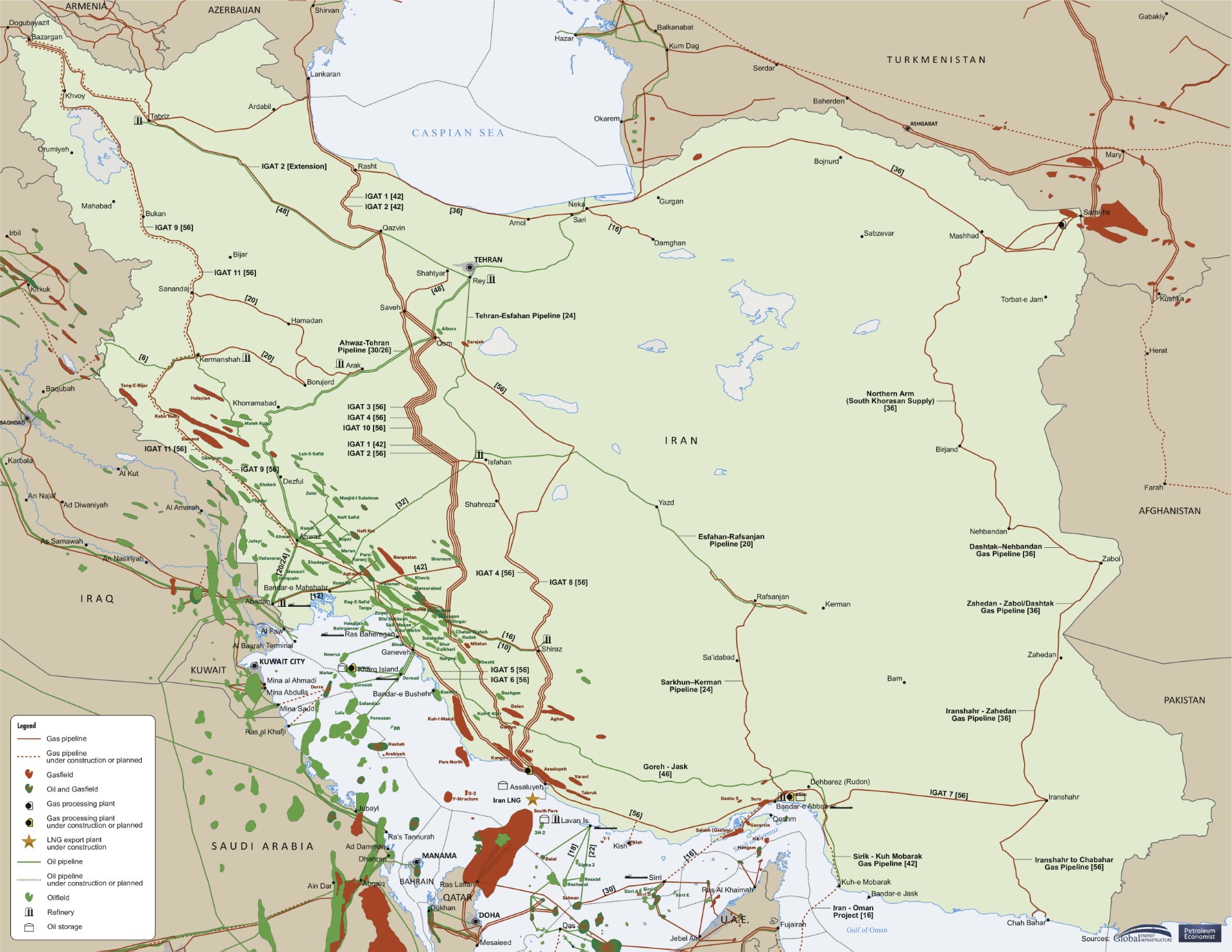
The global oil market has been on a rollercoaster ride, with recent geopolitical flare-ups in the Middle East sending prices spiking dramatically. While headlines screamed of Brent crude surging past the $100 mark and even touching highs near $120 a barrel amid reports of tanker traffic halts through the critical Strait of Hormuz, our proprietary market data reveals a more nuanced, and significantly cooler, current reality. This analysis delves into the underlying dynamics of this volatility, examines the immediate impacts on supply chains, and provides forward-looking insights for investors navigating these turbulent waters.
The Post-Spike Reality: Market Retracements Amidst Lingering Tensions
The initial shockwaves from the Middle East conflict, specifically the disruption to shipping through the Strait of Hormuz, triggered a significant “fear premium” across crude benchmarks. Reports indicated an astonishing 29% intraday surge for Brent crude at one point, with prices settling near $104 a barrel after an initial spike close to $120. This rapid escalation was fueled by the critical role of the Strait, which typically handles one-fifth of global oil flows, and immediate concerns over a severe supply crunch.
However, the market’s knee-jerk reaction has since moderated. As of today, Brent crude trades at $92.61, reflecting a -0.68% movement within the day’s range of $92.57 to $94.21. Similarly, WTI crude is priced at $89.26, down -0.46%. This represents a substantial retracement from the panic-induced highs. Our 14-day trend data further illustrates this calming effect, showing Brent’s journey from $101.16 just two weeks ago to its current level. This downward adjustment suggests that while the geopolitical risks remain potent, market participants have begun to factor in potential mitigation strategies, such as the widely discussed coordinated release of emergency oil stockpiles by major economies like the Group of Seven, or alternative, albeit limited, export routes.
Supply Paradox: Chokepoints, Storage Overload, and Production Cuts
The conflict has created a peculiar paradox: a critical global supply chokepoint is largely shut down, yet Middle Eastern producers are simultaneously cutting output due to overflowing storage. Nations like Saudi Arabia, Kuwait, the United Arab Emirates, and Iraq have initiated production trims as their storage tanks reach capacity. With tanker traffic through the Strait of Hormuz largely stalled due to missile and drone attacks, crude simply cannot be exported at normal volumes.
Saudi Aramco has attempted to reroute some shipments through the kingdom’s east-west pipeline to the Red Sea port of Yanbu. However, this pipeline lacks the capacity to fully replace the vast volumes typically moved through Hormuz. Analysts at JPMorgan Chase & Co. estimate that if these export bottlenecks persist, Middle East production shut-ins could exceed 4 million barrels per day (MMbpd) by the end of next week. This scenario creates a tight physical market globally, even as producers in the Gulf face a localized surplus. The longer this situation endures, the more severe the global supply deficit becomes, naturally putting upward pressure on prices, despite the current market cooling.
Addressing Investor Concerns: What’s Next for Oil Prices?
Our proprietary reader intent data highlights a clear focus among investors on future price trajectories, with common queries like “Is WTI going up or down?” and “What do you predict the price of oil per barrel will be by end of 2026?” These questions underscore the prevailing uncertainty. Predicting exact future prices is inherently challenging, especially in such a volatile geopolitical landscape, but we can identify key catalysts that will shape the market in the coming weeks and months.
Several upcoming energy events on our calendar will provide critical data points for investors assessing the ongoing supply-demand balance and potential future price movements:
- On April 22nd and April 29th, the EIA Weekly Petroleum Status Reports will offer insights into U.S. crude inventories, refinery utilization, and product supplied, providing a crucial snapshot of demand and domestic supply adjustments.
- The Baker Hughes Rig Count, scheduled for April 24th and May 1st, will indicate North American drilling activity, a key bellwether for future shale oil production that could offset Middle Eastern disruptions.
- API Weekly Crude Inventory reports on April 28th and May 5th will provide an early look at U.S. crude stock levels, often setting the tone for the official EIA releases.
- Perhaps most significantly, the EIA Short-Term Energy Outlook on May 2nd will offer official forecasts for global supply, demand, and prices, which could heavily influence market sentiment and long-term investment strategies.
These data points, combined with any developments regarding the Strait of Hormuz and G7 actions on strategic reserves, will be instrumental in determining whether the recent price moderation holds or if further upside volatility is imminent. Investors should closely monitor these releases for signals on supply resilience and demand elasticity in the face of ongoing geopolitical stress.
Navigating Volatility: Strategic Considerations for Oil & Gas Portfolios
The current market environment demands a strategic and cautious approach from investors. The swift surge and subsequent retracement of oil prices serve as a potent reminder of crude’s sensitivity to geopolitical events. While the immediate panic has subsided, the fundamental risks tied to Middle East supply remain very real. Companies with significant exposure to the Strait of Hormuz or those heavily reliant on specific export routes in the region face heightened operational and financial risks.
For investors seeking to position their portfolios, a focus on diversification within the energy sector is paramount. Consider companies with diversified asset bases, strong balance sheets, and operations in less geopolitically sensitive regions. Integrated oil majors with global refining and distribution networks may offer greater resilience than pure-play exploration and production companies concentrated in high-risk areas. Furthermore, the role of strategic petroleum reserves (SPR) and coordinated releases will continue to be a significant factor in managing extreme price spikes, offering a buffer against immediate supply shocks. As for the longer-term outlook into 2026, the trajectory of global economic growth, the pace of the energy transition, and the stability of OPEC+ agreements will ultimately dictate the broader price environment, making sustained analysis of these macro factors indispensable for prudent investment decisions.


