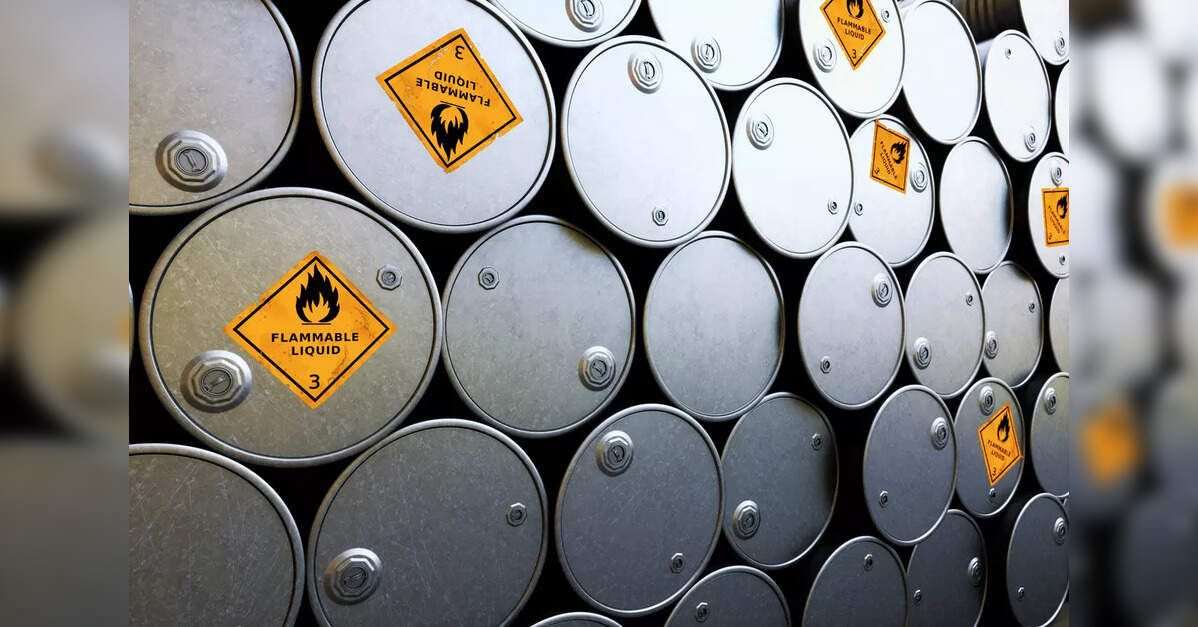
The recent imposition of fuel rationing across Bangladesh stands as a stark indicator of how rapidly geopolitical tensions can translate into tangible economic and social disruption. With its population of 170 million relying on imports for 95% of its oil and gas needs, Bangladesh offers a crucial case study for investors assessing the fragility of global energy supply chains amidst escalating conflicts in the Middle East. The panic buying, long queues at filling stations, and even tragic social unrest illustrate the immediate consequences when perceived supply disruptions meet high import dependency, compelling us to look beyond immediate headlines and analyze the broader implications for energy markets and investment strategies.
Geopolitical Volatility and Acute Import Dependency
The decision by the Bangladesh Petroleum Corporation (BPC) to cap fuel purchases for various vehicles, including a mere two-litre limit for motorcyclists, underscores the severe vulnerability of nations heavily reliant on imported energy. This measure, implemented following heightened warnings of potential supply disruptions stemming from an escalation of hostilities in the Middle East, has predictably triggered panic buying and hoarding. The resultant queues and public frustration, culminating in an altercation that tragically led to a fatality and subsequent vandalism, highlight the profound societal impact of energy insecurity. Beyond consumer hardship, the industrial sector is also feeling the pinch; five of Bangladesh’s six fertilizer factories have been forced to close until at least March 18th due to the current energy crunch. For investors, Bangladesh serves as a critical bellwether, demonstrating how geopolitical flashpoints, even if geographically distant, can rapidly destabilize economies and disrupt industrial output in import-dependent nations. This localized demand destruction, while not immediately global, can contribute to a complex picture of regional energy demand shifts.
Current Market Dynamics Amidst Geopolitical Jitters
Despite the palpable geopolitical anxieties emanating from the Middle East, the immediate reaction in global crude markets today has been somewhat muted. As of today, Brent crude trades at $92.78, reflecting a marginal dip of 0.49% from its opening, with an intraday range of $92.57 to $94.21. Similarly, WTI crude stands at $89.40, down 0.3% within a day range of $88.76 to $90.71. This slight intraday softening might appear counterintuitive given the headlines, but it follows a more significant trend over the past two weeks, where Brent crude has shed approximately 7%, moving from $101.16 on April 1st to $94.09 by April 21st. This broader pullback suggests that while geopolitical risk commands a premium, other factors such as broader macroeconomic concerns, profit-taking, or even the localized demand destruction seen in places like Bangladesh, are also influencing price discovery. Investors must differentiate between headline-driven volatility and the underlying supply-demand fundamentals, recognizing that even significant regional events don’t always translate to immediate, sustained global price spikes if core demand outlooks remain challenging or if supply disruptions are not immediately materializing on a global scale.
Navigating the Investor Landscape: What Our Readers Are Asking
The current market environment, characterized by geopolitical flux and localized demand destruction, naturally leads investors to question the immediate trajectory of crude benchmarks. We’ve seen a surge in inquiries regarding the direction of WTI and Brent, with many asking, “Is WTI going up or down?” and seeking predictions for “the price of oil per barrel by end of 2026.” The truth is, predicting exact price points in such a volatile landscape is fraught with peril. However, smart investors focus on the key variables influencing these outcomes. The geopolitical risk premium embedded in current prices is undeniable, but its sustainability depends on the conflict’s intensity and its direct impact on major shipping lanes or production facilities. Simultaneously, global economic growth forecasts significantly impact demand. The situation in Bangladesh, with its fertilizer factories closed until March 18th, illustrates how energy shortages can directly impact industrial activity and, by extension, economic growth in vulnerable regions, potentially dampening overall global demand. Investors are keenly watching for signs of whether localized energy crises could coalesce into broader economic headwinds, influencing the year-end oil price outlook far more than any single event.
Key Catalysts and Forward-Looking Indicators for Energy Investors
For investors seeking clarity amidst this complex interplay of geopolitical risk and market fundamentals, a close watch on upcoming energy data releases is paramount. The next two weeks offer several critical data points that will help shape the market narrative. On Wednesday, April 22nd, and again on April 29th and May 6th, the EIA Weekly Petroleum Status Report will provide essential insights into U.S. crude oil and product inventories, refinery utilization, and demand indicators. These reports are crucial for assessing the current supply-demand balance in the world’s largest oil consumer. Complementing this, the Baker Hughes Rig Count, due on Friday, April 24th, and May 1st, offers a forward-looking perspective on U.S. drilling activity and potential future supply. Additionally, the API Weekly Crude Inventory reports on April 28th and May 5th provide an early indication of U.S. stock changes. Perhaps most significant for longer-term positioning, the EIA Short-Term Energy Outlook, scheduled for May 2nd, will offer updated forecasts for global supply, demand, and prices, providing a vital benchmark for investor models. These scheduled events, when viewed through the lens of ongoing geopolitical tensions and localized energy crises like Bangladesh’s, will be instrumental in guiding investment decisions in the volatile energy sector.


