Localized LPG Lock-in: A Microcosm of Global Energy Fragility
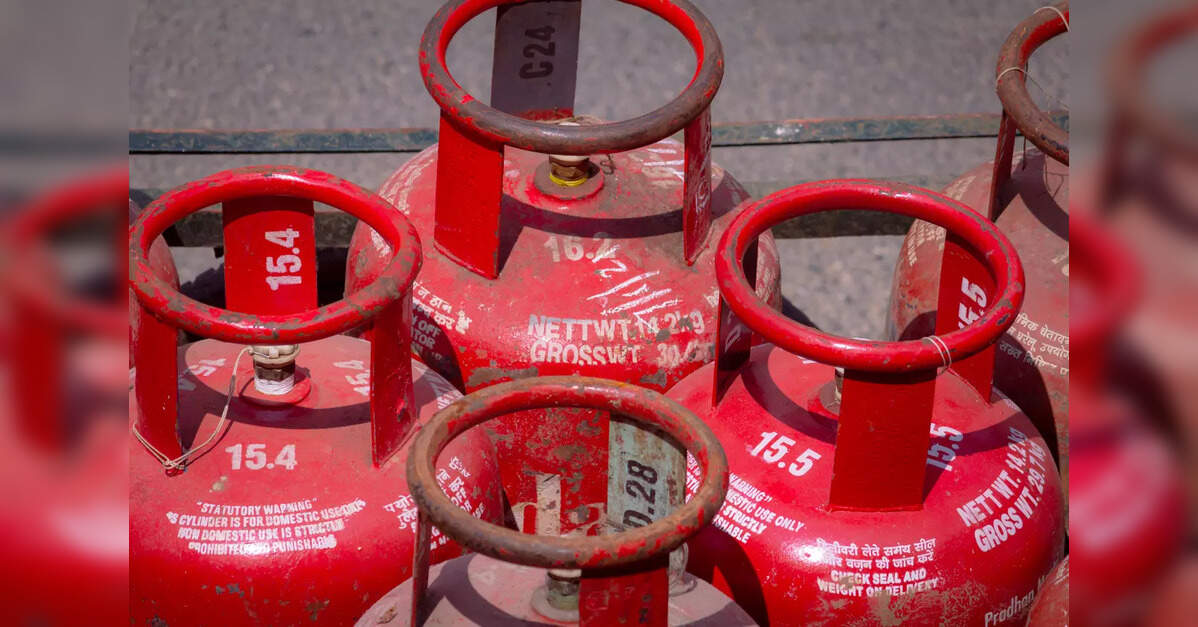
The recent imposition of a 21-day lock-in period for domestic LPG refills by major Indian oil marketing companies, including Indian Oil Corporation (IOC) and Bharat Petroleum Corporation Ltd (BPCL), in regions like Kolkata, serves as a stark reminder of the delicate balance within global energy supply chains. Triggered by a surge in panic bookings attributed to fears stemming from the West Asia conflict, this measure aims to curb hoarding and stabilize local supply. While global crude prices have seen some recent softening, as our proprietary data indicates, this localized event underscores how geopolitical anxieties can rapidly translate into tangible supply disruptions at the consumer level, creating critical investment considerations for energy sector participants. Our analysis, leveraging OilMarketCap’s first-party data, delves into the implications of such micro-events for the broader oil and gas investment landscape.
Demand Spikes and Supply Chain Stress: A Closer Look at the Kolkata Anomaly
The situation in Kolkata provides a compelling case study in the vulnerability of “last-mile” energy delivery. Distributors reported an “abnormal jump” in bookings, with IOC alone receiving approximately 1.5 lakh bookings in a single day across Kolkata and its adjoining districts, significantly higher than the usual 1 lakh daily requests. Overall, officials confirmed that LPG bookings escalated by 15% to 20% in just five to six days across parts of Bengal. This sudden surge created severe delivery bottlenecks and, more critically, impacted bottling operations. As one official from a leading oil PSU explained, some bottling plants were operating at 20% lower capacity because empty cylinders were not returning for refilling quickly enough. This illustrates that even with theoretically sufficient upstream supply, a breakdown in the distribution and return cycle can create an artificial shortage. While OMCs have assured consumers of no immediate scarcity and urged against panic, the proactive measure of a 21-day lock-in, coupled with a potential ₹60 hike in LPG prices for a 14.2-kg household cylinder to ₹939 and the 19 kg commercial cylinder to ₹1,990, signals an underlying concern about managing demand and ensuring operational stability under stress.
Global Crude Dynamics vs. Regional Vulnerabilities
Interestingly, this localized tightening of LPG supply occurs against a backdrop of a global crude market that has shown some recent easing. As of today, Brent Crude trades at $92.77, reflecting a slight dip of 0.5% within a day range of $92.57 to $94.21. Similarly, WTI Crude stands at $89.24, down 0.48% for the day. This immediate snapshot, however, follows a more significant trend: our 14-day Brent trend data reveals a decline from $101.16 on April 1st to $94.09 on April 21st, marking a substantial 7% drop. This divergence between softening global crude prices and localized energy supply concerns, such as the LPG lock-in, highlights a critical point for investors: while macro supply/demand balances influence headline commodity prices, regional geopolitical tensions and infrastructure limitations can create acute, localized shortages and price pressures. Many investors are asking about the directional trend of WTI and oil prices generally. Our analysis suggests that while recent global data might indicate a downtick, underlying geopolitical risks, as exemplified by this event, mean the market remains highly susceptible to volatility and potential upward pressure from unexpected supply chain shocks.
Navigating the Volatility: Upcoming Catalysts and Investor Outlook
For sophisticated energy investors, understanding the interplay between global crude trends and localized supply chain vulnerabilities is paramount. The situation in India underscores the persistent geopolitical risk premium embedded in energy markets, a factor that could reassert itself despite recent global price movements. Investors are keen to understand what the price of oil per barrel might be by the end of 2026, and while no definitive prediction is possible, upcoming data releases will be crucial for shaping that outlook. This week, the EIA Weekly Petroleum Status Report (April 22nd) and the Baker Hughes Rig Count (April 24th) will provide fresh insights into U.S. inventory levels and drilling activity, potentially influencing near-term sentiment. Looking further ahead, the API Weekly Crude Inventory (April 28th), another EIA Weekly Petroleum Status Report (April 29th), and the EIA Short-Term Energy Outlook (May 2nd) will offer more comprehensive data points on global supply and demand dynamics. These events, combined with ongoing geopolitical developments, will determine whether the recent softening in crude prices holds or if underlying tightness and regional disruptions, like the one in Kolkata, push prices higher again. Companies like Repsol, which operate across integrated value chains, will be particularly sensitive to these combined forces.
Strategic Implications for Energy Portfolios
The 21-day LPG booking gap is a potent signal for investors to look beyond broad commodity price trends and consider the resilience of specific supply chains and regional market dynamics. For those investing in integrated oil and gas companies or refiners, the ability to manage localized demand surges, maintain efficient distribution networks, and mitigate geopolitical supply risks becomes a significant competitive advantage. Companies with robust logistics and diversified sourcing capabilities are better positioned to weather such storms. This event highlights that even with ample global crude, bottlenecks in refining, bottling, and last-mile delivery can create significant market dislocations and potential price hikes for consumers, which can eventually feed back into broader energy market sentiment. Investors should prioritize companies demonstrating operational agility and a strong understanding of their regional market nuances, as these factors will increasingly dictate performance in a world prone to fragmented energy crises. Vigilant monitoring of both macro-economic indicators and micro-level supply chain health, as provided by OilMarketCap’s comprehensive data, is essential for informed decision-making.


