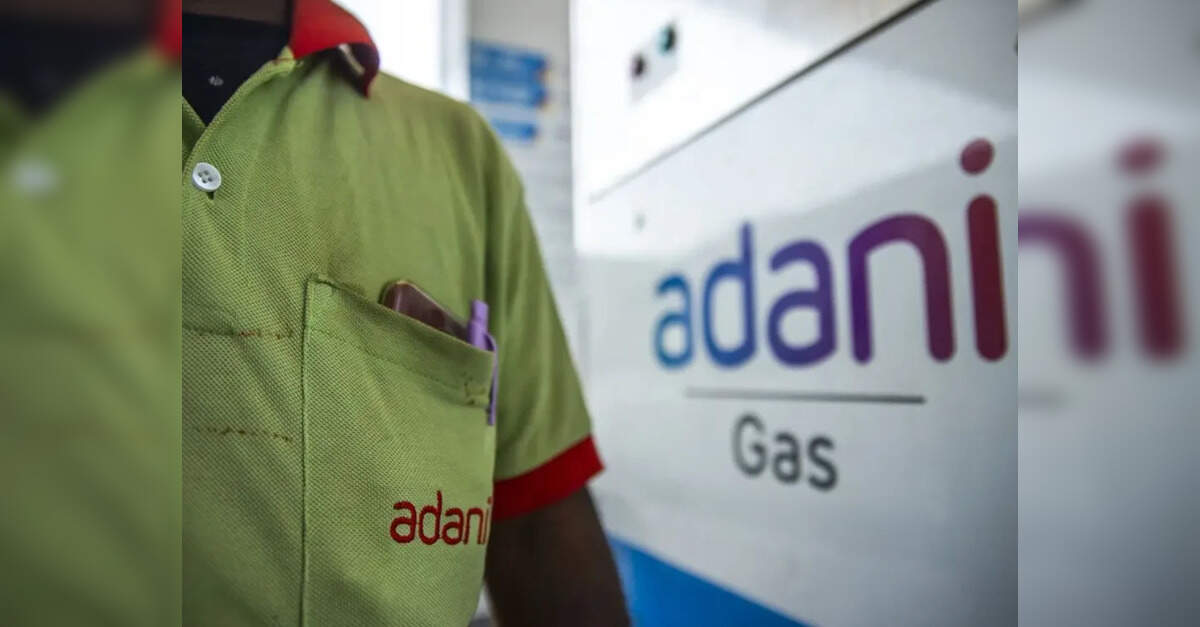
The intricate dance between energy security and market volatility is once again illuminated by recent developments from Adani Total Gas Ltd (ATGL). Faced with significant supply chain disruptions stemming from the escalating West Asia crisis, ATGL has made a strategic decision to insulate household and vehicular consumers from price hikes, while simultaneously imposing consumption curbs and applying substantially higher spot rates for industrial clients. This move underscores the delicate balancing act for energy providers in volatile times and offers a microcosm of the broader challenges and opportunities within the global natural gas market for astute investors.
Prioritizing Domestic Stability Amidst Geopolitical Shocks
ATGL’s operational strategy effectively segments its gas supply and customer base, a crucial detail for understanding its resilience. Approximately 70% of the company’s total gas volumes are sourced domestically, dedicated primarily to Compressed Natural Gas (CNG) for vehicles and Piped Natural Gas (PNG) for residential kitchens. This significant reliance on indigenous supply has enabled ATGL to maintain stable prices for these critical consumer segments, shielding millions from the immediate impact of international market fluctuations. This protective measure highlights the strategic value of domestic energy production in fostering stability, a factor investors often consider when evaluating long-term operational risk in companies with diversified supply portfolios.
However, the remaining 30% of ATGL’s gas supply, which caters to commercial and industrial users, is sourced through imported Liquefied Natural Gas (LNG). This segment has borne the brunt of the West Asia crisis, with disruptions to shipping lanes like the Strait of Hormuz directly impacting the availability and cost of these crucial imports. The company’s ability to maintain a strong domestic base for its largest volume segments acts as a buffer, but the challenges in its imported LNG division reveal the persistent vulnerability of global energy supply chains to geopolitical events.
Industrial Sector Bears the Brunt of Elevated Spot Prices
The impact of the supply crunch on ATGL’s commercial and industrial clientele has been stark. These users have been directed to curtail their consumption to 40% of their contracted volumes. While they continue to be billed at an average contracted rate of around ₹40 per standard cubic meter (scm) for consumption up to this limit, any gas consumed beyond this threshold is subject to significantly higher spot market rates. These incremental volumes are now priced at ₹119 per scm, a substantial premium reflecting the alternative, more expensive gas sourcing ATGL has undertaken to bridge the supply gap.
This pricing disparity is further illuminated by the underlying LNG market dynamics. Spot LNG prices have surged to approximately USD 24-25 per million British thermal units (mmBtu), more than double the prior “peace-time” rates of around USD 10 per mmBtu. This dramatic increase in spot costs directly translates into the higher charges for industrial users, compelling them to either reduce output or explore alternative, potentially costlier, fuel sources. For investors, this situation highlights the margin pressure on the imported gas segment and the potential for demand destruction among industrial customers if these elevated spot prices persist, impacting ATGL’s revenue growth from this sector.
Broader Market Volatility and Investor Sentiment
The specific challenges faced by ATGL’s imported LNG segment unfold against a backdrop of wider energy market volatility. As of today, Brent crude trades at $90.38 per barrel. This represents a significant shift from its position just weeks ago, having declined from $112.78 on March 30th to its current level, marking a nearly 20% drop in just over two weeks. This fluctuation in benchmark crude prices, while distinct from natural gas, often colors overall investor sentiment towards the energy sector.
Our proprietary reader intent data shows investors are actively grappling with uncertainty. A common query revolves around the future trajectory of WTI crude and general oil prices by the end of 2026. While the immediate concerns for ATGL are specific to natural gas supply, the overarching geopolitical landscape, particularly the West Asia crisis, remains a pivotal factor. Any escalation or de-escalation in this region has immediate implications for crude oil flows, which in turn can influence investor confidence across all energy commodities. The current situation underscores that even as crude prices exhibit downward pressure from recent highs, specific regional gas markets can still experience severe supply tightness and price spikes due to localized geopolitical disruptions.
Navigating Future Catalysts and Strategic Outlook
Looking ahead, the next few weeks are laden with critical events that could shape the broader energy market and indirectly influence the operating environment for companies like ATGL. The upcoming OPEC+ Joint Ministerial Monitoring Committee (JMMC) meeting on April 20th, followed by the full OPEC+ Ministerial Meeting on April 25th, will be closely watched for any signals regarding crude production policy. While these meetings directly impact oil supply, their outcomes can serve as bellwethers for the stability of global energy markets and the willingness of major producers to ensure adequate supply, thereby affecting the general risk perception for energy investments.
Further insights into the supply-demand balance will come from the regular API Weekly Crude Inventory reports (April 21st, April 28th) and the EIA Weekly Petroleum Status Reports (April 22nd, April 29th). These provide crucial data on U.S. inventory levels and refinery activity, offering a snapshot of demand health in a major consuming nation. For natural gas, the persistence of the West Asia crisis will be paramount. If geopolitical tensions remain high, keeping crucial shipping lanes vulnerable, the elevated spot LNG prices that ATGL currently faces for its industrial customers are likely to persist. This scenario would continue to test the resilience of companies reliant on imported LNG and could push more industrial users to permanently switch to alternative fuels, impacting long-term demand for gas in that segment. Investors should monitor these developments closely, as they will dictate the operational flexibility and profitability of companies navigating these complex energy markets.


