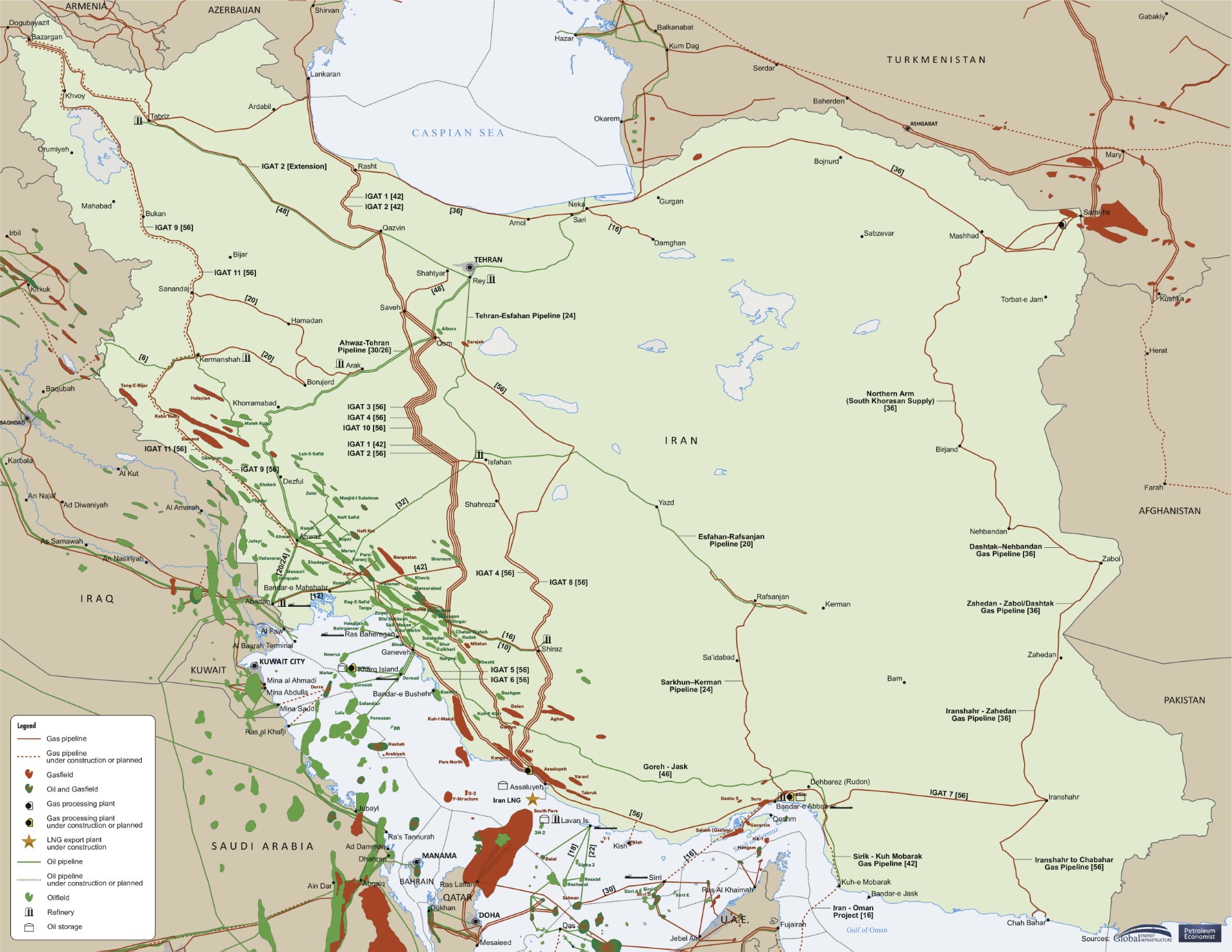
The International Energy Agency’s recent declaration that there is no immediate need for an emergency oil release, despite escalating tensions in the Middle East, sends a crucial signal to global energy markets. While geopolitical events often trigger knee-jerk reactions, the IEA’s assessment points to underlying market fundamentals suggesting ample supply. For investors navigating volatile crude prices and seeking clarity on future trajectories, understanding the nuances of this stance, coupled with real-time market data and upcoming catalysts, is paramount. This analysis will delve into the IEA’s reasoning, examine current market conditions, and explore the factors influencing investor sentiment and strategic decisions in the weeks ahead.
Market Stability Amidst Geopolitical Jitters: An Investor’s View
The IEA’s Executive Director, Fatih Birol, articulated a clear position: “There is plenty of oil in the market,” even describing a “huge surplus.” This assessment, made amidst the backdrop of recent US and Israeli strikes on Iran that began on February 28th and subsequent disruptions to shipping through the critical Strait of Hormuz, directly counters the narrative of an impending supply crisis. As of today, Brent Crude trades at $93.31 per barrel, reflecting a modest daily gain of 0.08%, with an intra-day range between $92.57 and $94.21. Similarly, WTI Crude stands at $89.7 per barrel, up 0.03%, trading within a range of $88.76 to $90.71. These figures, while elevated compared to recent lows, demonstrate a degree of resilience rather than panic. Over the past 14 days, Brent has actually seen a decline of $7.07, or 7%, moving from $101.16 on April 1st to $94.09 on April 21st, suggesting that immediate fears of a sustained price spike have somewhat subsided. US retail gasoline prices currently sit at $3.12, down 0.32% for the day, further reinforcing the IEA’s view that the current market disruption is primarily logistical and temporary, rather than a fundamental shortage of crude. This stability, despite the gravity of the geopolitical situation, allows investors to consider broader supply-demand dynamics rather than solely reacting to headlines.
Beyond Strategic Reserves: Unpacking Global Supply Levers
While the IEA coordinates strategic petroleum reserves for developed nations, its current reluctance to act doesn’t preclude individual member states or other global players from deploying alternative levers to manage oil prices. Japan, for instance, is reportedly considering its own reserve release, highlighting a divergence in tactical approaches even as the collective body holds steady. More significantly, the global oil market has demonstrated flexibility through other means. The US recently issued a one-month license to India, temporarily allowing increased purchases of Russian oil. This move is particularly impactful given the accumulation of Russian and Iranian crude on tankers at sea, a direct consequence of tighter US sanctions deterring traditional buyers in Asia. This “floating storage” effectively acts as an additional supply buffer, ready to be absorbed by refineries if logistical pathways are cleared. Former US President Trump’s previous pledges of naval escorts and insurance guarantees for tankers also underscored the range of non-reserve interventions available to mitigate shipping risks. These actions collectively illustrate that the global market has more mechanisms at its disposal than just drawing down emergency stockpiles, allowing for a more nuanced response to localized disruptions.
Navigating Uncertainty: Investor Questions and Forward Catalysts
Our proprietary data on investor queries reveals a clear focus on future price direction, with common questions ranging from “is WTI going up or down?” to “what do you predict the price of oil per barrel will be by end of 2026?”. This forward-looking sentiment underscores the need for continuous analysis of market fundamentals and upcoming events. Investors are particularly keen to understand whether the current geopolitical premium is sustainable or merely a transient blip. The IEA’s “temporary disruption” narrative directly addresses this, suggesting that the underlying supply picture remains robust. However, upcoming energy events will provide critical data points to either validate or challenge this view. The EIA Weekly Petroleum Status Reports, scheduled for April 22nd, April 29th, and May 6th, will offer crucial insights into US crude inventories, refinery activity, and product demand. These reports are often market movers, influencing short-term price movements. Furthermore, the Baker Hughes Rig Count on April 24th and May 1st will indicate future production trends in North America. Perhaps most importantly for investors looking to the “end of 2026” price predictions, the EIA Short-Term Energy Outlook on May 2nd will provide updated forecasts on global supply and demand, offering a comprehensive look at the fundamental drivers that will shape the market beyond immediate geopolitical tensions. Monitoring these events will be essential for refining investment strategies and assessing the true impact of current events on the long-term outlook for crude oil.
The Long View: Strategic Implications for Oil & Gas Investments
The IEA’s measured response, coupled with observed market stability, offers a critical perspective for long-term oil and gas investors. Rather than signaling a fundamental shift in supply availability, the current situation appears to be reinforcing the resilience of global energy markets to regional shocks. The explicit acknowledgment of a “huge surplus” in the market, even with the Strait of Hormuz facing disruption, implies that while price volatility is a given in times of crisis, the underlying supply-demand balance remains tilted towards adequate supply. This suggests that any significant and sustained upward price movement would require a more profound and widespread supply outage, or a dramatic surge in demand not currently anticipated. For companies in the upstream sector, this implies continued pressure to manage costs and optimize production efficiency, as sustained high prices driven by scarcity may not materialize. Midstream and downstream players, while potentially benefiting from short-term price spreads and logistical adjustments, must also remain agile. Investors should interpret the IEA’s stance as a signal to look beyond immediate headlines and focus on the fundamental data points, such as inventory levels, rig counts, and long-term demand forecasts, to make informed decisions about their oil and gas portfolios. The emphasis on “temporary logistical disruption” rather than an actual supply deficit is a key distinction that should guide strategic positioning.