The Geopolitical Earthquake Shaking Global LNG Markets
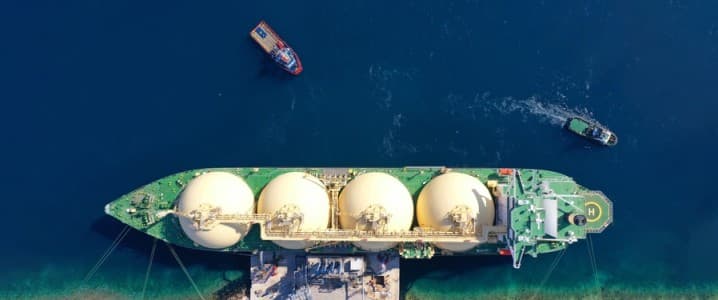
The global liquefied natural gas (LNG) market is currently grappling with a severe supply shock, triggered by significant geopolitical events in the Middle East. Recent developments, including Qatar’s decision to offer two LNG carriers for lease amidst a vessel shortage and the suspension of production at the world’s largest LNG facility, Ras Laffan, following strikes, signal a critical period for energy investors. QatarEnergy’s force majeure declaration on LNG exports from its massive North Field facility, which accounts for a fifth of global liquefied gas output alongside the UAE, sends a powerful signal through the entire energy complex. This is not merely a regional incident; it’s a structural disruption that highlights the fragile balance of global energy supply and the critical role of shipping infrastructure. Investors must keenly assess the immediate and long-term implications for natural gas prices, shipping rates, and broader energy security.
Immediate Supply Squeeze and Soaring Logistics Costs
The forced suspension of LNG production at Qatar’s Ras Laffan plant, a facility that has dominated global LNG supply since the early 2010s, immediately removes a significant volume from an already tight market. This disruption is exacerbated by the ongoing traffic challenges in the Strait of Hormuz, a choke point critical for energy transit. The most visible symptom of this stress is the dramatic surge in LNG tanker charter rates. We’ve observed daily rates for vessels on key routes, such as the U.S. Gulf Coast to Europe or Asia, skyrocketing from approximately $40,000-$42,000 just last week to an astonishing $300,000. Qatar’s offer to lease out carriers, even as its own exports are curtailed, underscores the severity of this vessel crunch and the desperate need for shipping capacity, indicating that even major producers are feeling the pinch of logistics. With no significant spare capacity in the global LNG market, the effects of this disruption are immediate and profound, impacting both Asian and European buyers who are now competing for scarcer spot supplies, leading to soaring price premiums in Asia.
Navigating Current Market Signals Amidst LNG Volatility
While the LNG market grapples with acute supply and shipping constraints, the broader crude oil market is showing a nuanced picture that investors need to watch closely. As of today, Brent crude trades at $93.31, reflecting a slight daily increase of 0.08% within a range of $92.57-$94.21. Similarly, WTI crude sits at $89.7, up 0.03%, trading between $88.76 and $90.71. This daily stability, however, follows a notable shift over the past two weeks, where Brent crude prices trended down from $101.16 on April 1st to $94.09 on April 21st, a decline of over 7%. This recent cooling in crude prices suggests some bearish factors were at play, perhaps related to demand concerns or increased supply expectations from other regions. However, the current geopolitical risks, particularly the ongoing issues in the Strait of Hormuz and the impact on Qatar’s energy exports, introduce significant upward pressure on the energy complex. While gasoline prices are slightly down today at $3.12, the tight LNG market could indirectly influence crude and product demand if energy consumers seek alternatives or if broader energy inflation takes hold. Investors should view the current crude price levels as sensitive to further escalations in the Middle East, with the LNG crisis serving as a potent reminder of global supply chain vulnerabilities.
Forward Outlook: Key Dates for Investor Scrutiny
Looking ahead, the coming weeks are packed with critical energy data releases that will shape investor sentiment and provide further clarity on market direction, especially in the wake of the Qatari LNG disruption. Investors should mark their calendars for the EIA Weekly Petroleum Status Reports on April 22nd, April 29th, and May 6th. While primarily focused on crude oil and refined products, these reports offer invaluable insights into overall energy demand trends and inventory levels in the U.S., which can indirectly signal the health of the broader energy market and potential demand for natural gas. The Baker Hughes Rig Count, scheduled for April 24th and May 1st, will provide an updated pulse on U.S. drilling activity, indicating future domestic supply potential for both oil and associated gas. Perhaps most crucially, the EIA Short-Term Energy Outlook on May 2nd will offer updated forecasts for supply, demand, and prices across all energy commodities. This outlook will be particularly vital for re-evaluating natural gas price trajectories and market balances given the recent Qatari force majeure and the ongoing shipping challenges. Any revisions to natural gas production or demand forecasts will be closely scrutinized by investors seeking to understand the long-term impact of current events and position their portfolios accordingly.
Addressing Investor Concerns: Price Direction and Portfolio Strategy
A common thread in investor queries this week revolves around price direction, with many asking whether WTI crude is heading up or down, and what the price of oil per barrel might be by the end of 2026. While precise predictions are challenging in such a dynamic environment, the current Qatari LNG crisis introduces significant volatility and upside risk across the energy sector. For natural gas, the immediate supply shock combined with the severe vessel crunch points to sustained high prices, at least in the short to medium term, particularly for spot cargoes destined for Asia and Europe. This elevated natural gas environment could prompt some industrial users to switch to alternative fuels where feasible, potentially creating additional demand for crude or refined products. For crude oil, while the past two weeks saw a modest downtrend for Brent, geopolitical tensions, especially those affecting critical shipping lanes like the Strait of Hormuz, are potent bullish catalysts. The risk of further escalation or prolonged disruptions means that the underlying support for crude prices remains strong, despite any temporary pullbacks. Investors should recognize that the current market is highly sensitive to supply-side shocks and geopolitical developments. A diversified approach, considering investments in LNG infrastructure, shipping companies, and various segments of the oil and gas value chain, while maintaining a close watch on geopolitical developments and key energy reports, will be crucial for navigating this period of heightened uncertainty and opportunity.


