Geopolitical Tensions Reshape Global Oil Flows: India Waiver Offers Temporary Relief
The global oil market finds itself at a critical juncture, navigating the complex interplay of escalating geopolitical tensions and an increasingly vulnerable supply chain. Recent developments, including the US offering India a 30-day waiver for Russian crude purchases, underscore the urgent need to stabilize energy supplies amidst the ongoing conflict impacting the Middle East. This strategic move, following earlier penalty tariffs, signals a pragmatic shift in US policy aimed at alleviating immediate supply anxieties, particularly as a crucial 20% of global oil flows through the Strait of Hormuz face severe disruption. For investors, understanding the nuances of these short-term measures against the backdrop of long-term structural shifts is paramount to navigating the volatile landscape.
The Waiver’s Immediate Impact and Market Dynamics
The US decision to grant India a 30-day waiver for Russian oil transactions is a direct response to a tightening global crude market, exacerbated by disruptions in the Gulf region. India, as the world’s third-largest oil importer, fourth-biggest refiner, and fifth-largest exporter of petroleum products, plays a pivotal role in global energy stability. While India had previously diversified away from Russian crude, the current conflict has necessitated a return to Moscow for prompt supplies. Market chatter suggests Indian refiners have already secured an estimated 6-8 million barrels of Russian oil in recent days, illustrating the immediate need for alternatives.
However, this “relief valve,” as one expert described it, is a temporary measure primarily facilitating transactions for oil already stranded at sea. Its limited duration means it offers little significant financial benefit to Russia. As of today, Brent crude trades at $93.04 per barrel, down a modest 0.21% within a daily range of $92.57 to $94.21. West Texas Intermediate (WTI) stands at $89.43, reflecting a 0.27% dip within its $88.76 to $90.71 range. This current stability is a stark contrast to the initial market reaction on Thursday, which saw WTI surge 8.51% to $81.01 and Brent rise 4.93% to $85.41. The subsequent slight pullback suggests the market is attempting to digest the implications of a short-term waiver against the backdrop of deeply entrenched supply concerns. Looking at the broader picture, Brent has seen a notable 7% decline over the past three weeks, falling from $101.16 on April 1st to $94.09 on April 21st, highlighting the extreme volatility and conflicting signals influencing investor sentiment.
Supply Vulnerabilities and Geopolitical Choke Points
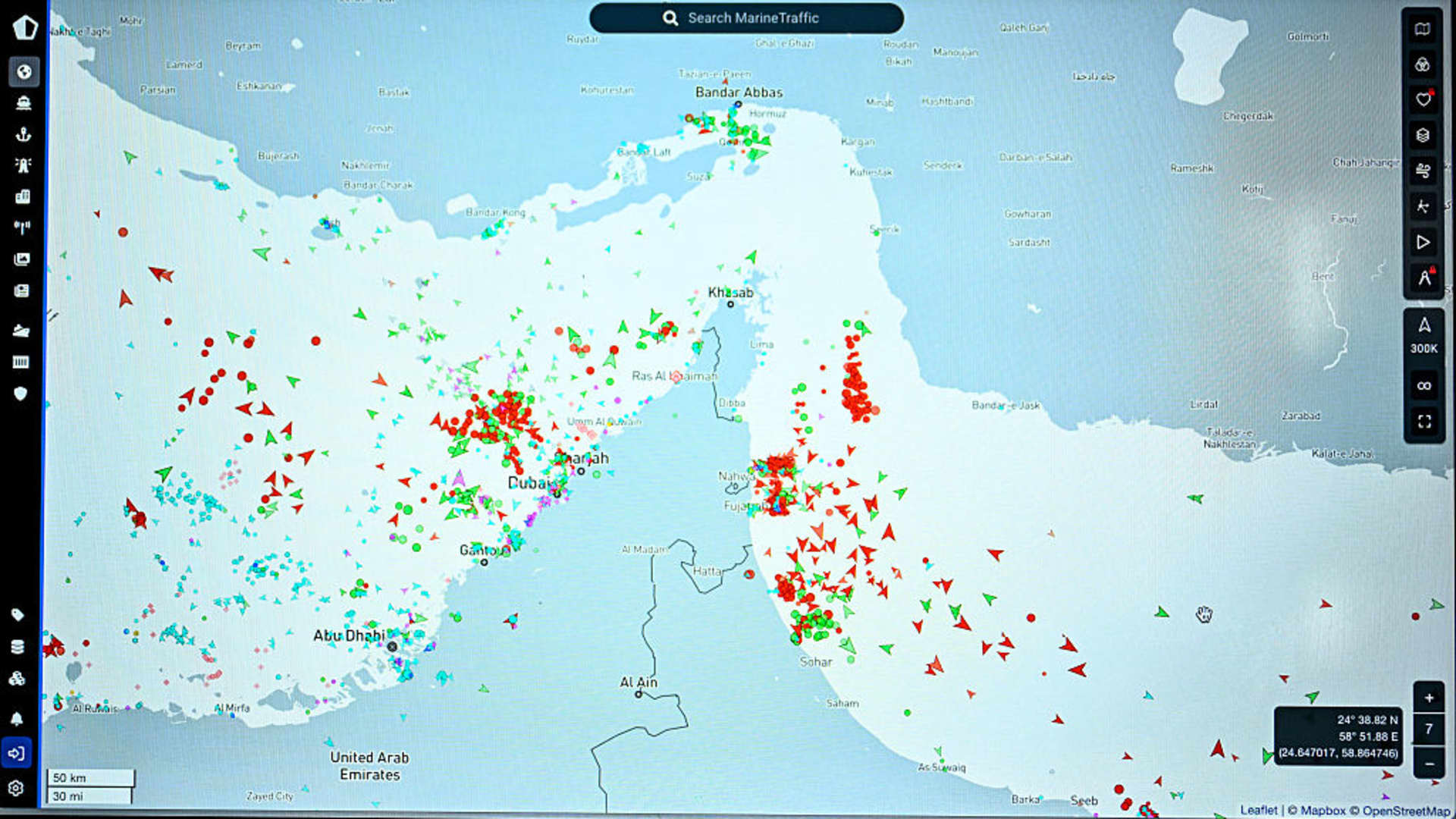
The underlying driver of this market tension remains the severe disruption to shipping through the Strait of Hormuz. Proprietary shipping data indicates that no laden crude tankers have transited this vital waterway since last weekend, a critical choke point for approximately 20% of global oil flows. This standstill is a direct consequence of Iranian warnings and surging insurance costs, effectively choking off a significant portion of Middle Eastern crude exports. One energy research firm CEO aptly characterized the situation as Washington applying “band-aids on a gunshot wound,” referring to the 30-day waiver as “not nearly enough” to address the systemic issue of reduced crude availability from Gulf producers.
To mitigate the immediate crisis, the US government is actively exploring additional measures, including offering political risk insurance for tankers transiting the Gulf. This move, alongside the India waiver, underscores the urgency felt by major consuming nations to prevent a full-blown energy crisis. India’s strategic reserves, currently estimated at about 100 million barrels—enough to cover approximately 45 days of crude demand—provide a temporary buffer. However, the reliance on such short-term fixes highlights the fragility of global supply chains in the face of persistent geopolitical instability.
Upcoming Catalysts and Forward-Looking Projections
As the market grapples with immediate supply shocks, investors must pivot their focus to upcoming catalysts that will shape the medium-term outlook. The US government has hinted at “further action to reduce pressure on oil” in the near future, suggesting more policy interventions could be on the horizon. This could include further waivers, strategic petroleum reserve releases, or diplomatic efforts to de-escalate regional conflicts.
Key economic data releases will provide crucial insights into supply-demand dynamics. Investors will closely monitor the EIA Weekly Petroleum Status Reports scheduled for April 22nd, April 29th, and May 6th, which offer critical insights into US crude inventories and refining activity. The Baker Hughes Rig Count, due on April 24th and May 1st, will provide a snapshot of domestic production trends, indicating future supply capacity. Furthermore, the API Weekly Crude Inventory reports on April 28th and May 5th will offer early indications ahead of the official EIA data. Perhaps most significantly, the EIA Short-Term Energy Outlook on May 2nd will deliver updated forecasts that could dramatically influence market sentiment, especially given the current geopolitical flux and the potential for prolonged disruptions. These events will offer vital clues for assessing whether current price levels are sustainable or if further adjustments are imminent.
Investor Sentiment and Strategic Positioning Amidst Volatility
Our proprietary reader intent data reveals a consistent theme among investors this week: a palpable anxiety regarding price direction. Common queries such as “is WTI going up or down?” dominate searches, reflecting the market’s deep uncertainty. There is also significant interest in longer-term projections, evidenced by questions like “what do you predict the price of oil per barrel will be by end of 2026?” This sentiment underscores the challenge investors face in pricing in geopolitical risks that are both unpredictable and rapidly evolving.
The current market environment, characterized by headline-driven swings and a substantial supply fear premium, demands a disciplined and strategic approach. The recent 7% drop in Brent prices over the past three weeks, despite escalating tensions, perfectly illustrates the market’s struggle to reconcile conflicting signals. Investors should consider diversified portfolios, explore hedging strategies, and prioritize companies with robust balance sheets and diversified crude sourcing or refining capabilities. The short-term waiver for India, while offering a temporary reprieve, does not address the fundamental vulnerabilities exposed by the Strait of Hormuz standstill. As such, expect continued volatility, and remain vigilant for further policy actions and geopolitical developments that could swiftly alter the supply-demand balance.