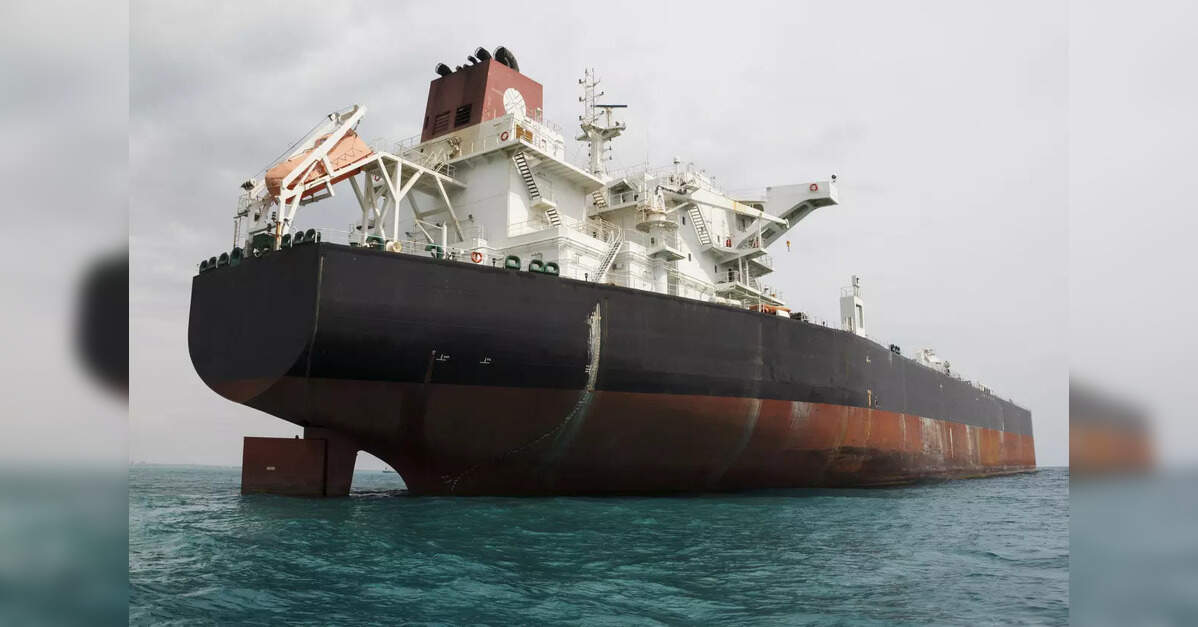
The escalating geopolitical tensions in West Asia are sending ripples far beyond the immediate conflict zones, particularly impacting energy-hungry nations like India. For investors tracking global energy markets, understanding these downstream effects is paramount. While headlines often focus on direct military engagements, the insidious threat to established supply chains and the resulting cost pressures on diverse industries present a more complex and enduring challenge. Our proprietary data pipelines at OilMarketCap reveal a dynamic market grappling with these uncertainties, where immediate price reactions are just the beginning of a longer-term re-evaluation of risk and opportunity in the energy sector.
The Crude Reality Check: India’s Supply Tightrope Amidst Volatility
India, a rapidly growing economy, remains acutely vulnerable to disruptions in West Asia, importing approximately 85% of its crude oil and half of its liquefied natural gas (LNG) requirements. A significant portion of these vital energy shipments, between 40-50% of crude and 50-60% of LNG, traverses the Strait of Hormuz – a critical maritime choke point now experiencing heightened risk. Since early March 2026, many shipping vessels have opted to avoid this route, adding considerable transit time and operational complexities.
While the initial reaction to West Asia instability often sees a sharp uptick in crude prices, our live market data provides a nuanced picture. As of today, Brent Crude trades at $92.64 per barrel, reflecting a slight dip of 0.64% within a day range of $92.57-$94.21. Similarly, WTI Crude stands at $89.03, down 0.71%. This daily volatility underscores a market attempting to price in both geopolitical risk and underlying demand-supply dynamics. Notably, our 14-day Brent trend data indicates a recent softening, dropping from $101.16 on April 1st to $94.09 by April 21st – a decline of over 7%. This suggests that while the crisis injects a risk premium, other factors are currently preventing an unrestrained price surge. However, any further escalation in West Asia could quickly reverse this trend, pushing crude prices higher and directly impacting India’s current account deficit, fueling inflation, and eroding corporate profitability across multiple sectors.
Beyond the Barrel: LNG, Downstream Pressures, and Investor Concerns
The impact of West Asia’s turmoil extends well beyond crude. Countries in the region account for about 20% of global LNG production, making India’s reliance on these imports a significant vulnerability. Industries such as ceramics and fertilisers, heavily dependent on imported LNG for their production processes, face potential short-term challenges. While we cannot provide a real-time LNG spot price, the underlying risk of supply disruptions from such a critical producing region remains a key concern for investors.
Furthermore, the ripple effects are felt in a wide array of crude-linked downstream sectors. Downstream oil refiners face direct cost pressures from higher input crude prices. Beyond that, industries like tyres, paints, specialty chemicals, flexible packaging, and synthetic textiles, all of which rely on crude derivatives as key raw materials, are bracing for increased operational costs. Adding to these burdens are rising freight costs and insurance premiums, a direct consequence of perceived shipping risks in West Asia. Investors are keenly asking about the long-term trajectory of energy prices, with questions like “What do you predict the price of oil per barrel will be by end of 2026?” dominating our reader intent signals. This highlights a clear focus on how these supply chain pressures could translate into sustained input cost inflation and, subsequently, impact earnings outlooks for companies in these affected sectors.
Sector-Specific Vulnerabilities and Strategic Adjustments
The crisis is creating distinct challenges for several Indian sectors with direct trade and operational links to West Asia. For the basmati rice industry, where exports to West Asia constitute 70-72% of India’s total volumes, shipment delays and potential payment disruptions could strain working capital cycles, despite generally robust exporter balance sheets. Similarly, India’s fertiliser sector, which imports approximately 30% of its total requirement with about 40% originating from West Asia, faces significant risks to both finished fertiliser imports and crucial raw materials like rock phosphate, phosphoric acid, and muriate of potash. LNG availability and pricing also play a critical role, influencing urea production costs and government subsidy requirements.
The diamond polishing industry, with Israel and the UAE accounting for 18% of India’s polished diamond exports and a substantial 68% of rough diamond imports, is navigating complex trade routes. While alternative hubs such as Belgium and Hong Kong could offer some mitigation, the immediate disruption to established supply chains remains a concern. Airlines, too, are directly affected, with roughly 10% of Indian carrier flights transiting West Asia. Airport and airspace closures, notably at Dubai International, have led to rerouting, primarily to Europe and the US, significantly increasing fuel costs for these operators. For investors, understanding these granular sector-specific impacts is crucial for assessing portfolio exposure and identifying potential winners and losers in a reconfigured trade landscape.
Navigating Volatility: Upcoming Data and Forward Outlook
As investors grapple with the multifaceted implications of the West Asia crisis, upcoming energy data releases will provide critical insights into supply-demand dynamics and market sentiment. The next two weeks are packed with key events: the EIA Weekly Petroleum Status Reports scheduled for April 22nd, April 29th, and May 6th, along with the Baker Hughes Rig Count on April 24th and May 1st. Additionally, the API Weekly Crude Inventory reports on April 28th and May 5th, and the EIA Short-Term Energy Outlook on May 2nd, will offer forward-looking projections.
These releases will be instrumental in helping investors answer questions like “Is WTI going up or down?” by providing up-to-date data on inventory levels, production trends, and overall market balances. Against the backdrop of West Asian instability, any unexpected shifts in these metrics could trigger significant price movements. For instance, a larger-than-expected draw in crude inventories, especially if coupled with continued shipping disruptions, could quickly push prices upwards, while an increase in US production could exert downward pressure. Maintaining a vigilant watch on these data points, combined with ongoing geopolitical developments, will be essential for making informed investment decisions in the volatile oil and gas market through the second quarter of 2026 and beyond.


