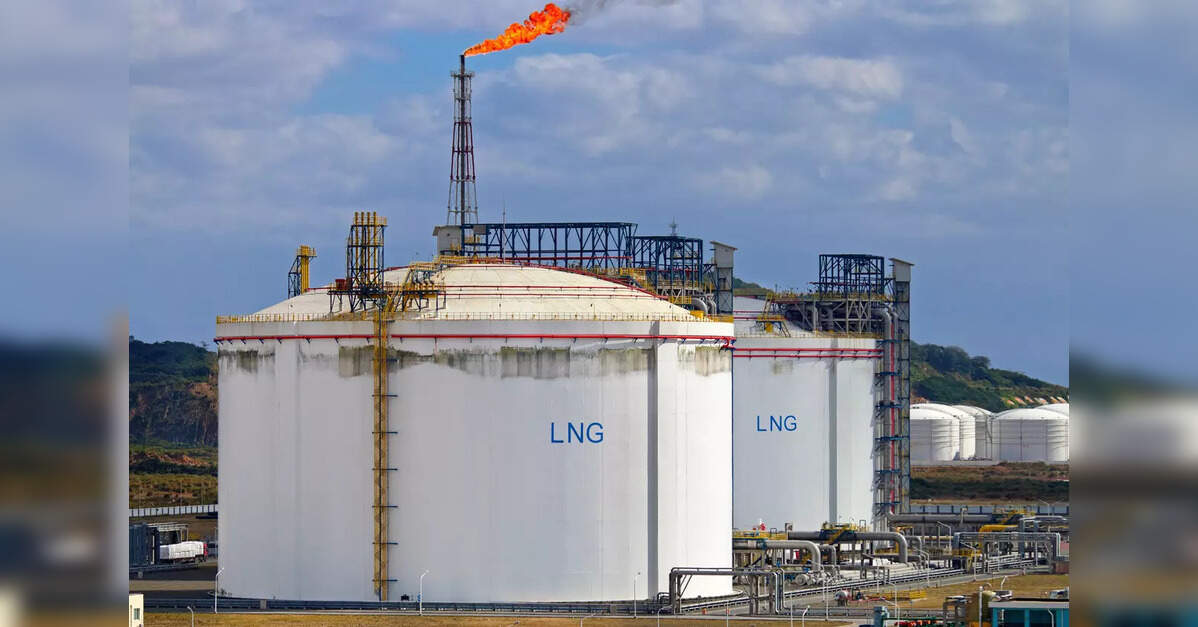
The strategic choke point of the Strait of Hormuz has once again underscored its critical role in global energy security, particularly for liquefied natural gas (LNG) markets. Recent heightened tensions in the region have sent ripples across the energy complex, triggering sharp price spikes in Asian gas markets and placing India’s energy supply stability under the microscope. For astute oil and gas investors, these developments signal a period of elevated volatility and necessitate a re-evaluation of exposure to regional geopolitical risks and their cascading effects on global commodity flows.
Hormuz: The Unshakeable Chokepoint for Global LNG Flows
The Strait of Hormuz remains an indispensable artery for international energy trade, a fact starkly highlighted by recent disruptions. Approximately 17 percent of global LNG deliveries are projected to transit this narrow passage this year, originating from key exporters such as Qatar and the UAE. The impact is most acutely felt in Asia, which serves as the primary destination for the vast majority of these shipments; over 90 percent of LNG volumes passing through Hormuz in early 2026 were destined for Asian buyers. India stands out as a particularly vulnerable market. In 2025, Qatar and the UAE collectively supplied nearly 59 percent of India’s LNG and close to 29 percent of its overall gas supply. This significant reliance creates considerable exposure to any impediments to shipping routes through the Gulf, making the country highly sensitive to regional instability.
Market Reaction: Divergent Paths for Gas and Crude
The geopolitical shock has already manifested in dramatic price movements within global LNG markets. The Platts JKM, a crucial benchmark for spot LNG cargoes delivered to Northeast Asia, surged significantly. It climbed to $15.068 per million British thermal units (MMBtu) on March 2, representing a 41 percent increase from February 27, before experiencing an extraordinary 70 percent jump in a single day to approximately $25/MMBtu on March 3. This marked the largest daily surge observed since March 2022, underscoring the immediate and severe market reaction to perceived supply threats. However, it’s crucial for investors to note that this sharp gas price rally has not been mirrored across the entire energy spectrum. As of today, Brent crude trades at $90.38, while WTI crude is priced at $82.59. This represents a notable shift from just weeks ago; Brent, for instance, has retreated substantially from $112.78 on March 30, marking a nearly 20 percent decline to its current level in less than three weeks. This divergence highlights that while specific chokepoint risks can trigger acute commodity-specific shocks, the broader crude market is influenced by a different confluence of supply, demand, and macroeconomic factors.
Investor Focus: Crude Direction and Future Outlook Amidst Geopolitical Jitters
Our proprietary reader intent data reveals a consistent theme this week: investors are intensely focused on crude price direction, with questions like “is WTI going up or down?” and “what do you predict the price of oil per barrel will be by end of 2026?” dominating inquiries. This reflects a broader concern about market stability and future returns amidst the current geopolitical backdrop. While the immediate price spikes have been in LNG, the interconnectedness of global energy markets means that prolonged instability in a critical region like Hormuz can influence crude sentiment. Analysts are closely watching how Asian buyers might aggressively seek replacement LNG cargoes if Qatari shipments face sustained disruptions, potentially tightening spot markets further. The prospect of fuel switching to coal in the power sector is also a consideration, although experts point to limited switching capacity and only marginal increases in coal prices thus far. For price-sensitive economies in South Asia, including India, sustained high LNG prices could lead to demand curtailment, a scenario that would depress economic activity and consumption.
Navigating Upcoming Catalysts and Forward-Looking Dynamics
Looking ahead, investors must closely monitor a series of upcoming events that could introduce further volatility or stability into the energy markets. A critical OPEC+ Joint Ministerial Monitoring Committee (JMMC) meeting is scheduled for April 20, followed by the full OPEC+ Ministerial Meeting on April 25. These gatherings will provide crucial insights into the cartel’s production policy decisions, which could significantly influence crude oil prices and, by extension, the broader energy complex. Additionally, the market will be closely watching weekly data releases, including the API Weekly Crude Inventory reports on April 21 and April 28, and the EIA Weekly Petroleum Status Reports on April 22 and April 29. These inventory figures offer vital real-time indicators of supply-demand balances in the world’s largest consumer. The Baker Hughes Rig Count, released on April 24 and May 1, will also provide a gauge of future production capacity. The duration of the current Hormuz tensions and their impact on maritime navigation remain the paramount variables determining the longevity of LNG market volatility. Investors should prepare for continued uncertainty and potential price swings as these geopolitical and economic forces play out in the coming weeks and months.


