The global oil market remains gripped by acute uncertainty as geopolitical tensions in the Middle East escalate, forcing investors to re-evaluate supply chain resilience and the true cost of conflict. With the US-Iran situation now entering its fifth day, the critical Strait of Hormuz has become the epicenter of these concerns, pushing crude prices into a precarious dance between fear and fundamental re-pricing. Our proprietary data pipelines offer a granular view of market movements and investor sentiment, highlighting the key drivers shaping the outlook for energy commodities.
Navigating the Geopolitical Premium and Supply Disruptions
As of today, Brent Crude trades at $93.57, reflecting a modest +0.35% increase within a day range of $93.49-$94.21. West Texas Intermediate (WTI) mirrors this sentiment, currently at $90.12, up +0.5% after navigating a day range of $89.71-$90.71. This immediate uptick comes after a period of significant fluctuation; our proprietary data indicates Brent has actually seen a decline of 7% over the past 14 days, falling from $101.16 on April 1st to $94.09 by April 21st. This broader downward trend highlights the market’s initial struggle to fully price in the conflict, perhaps anticipating a quicker de-escalation or underestimating the physical impact on supply.
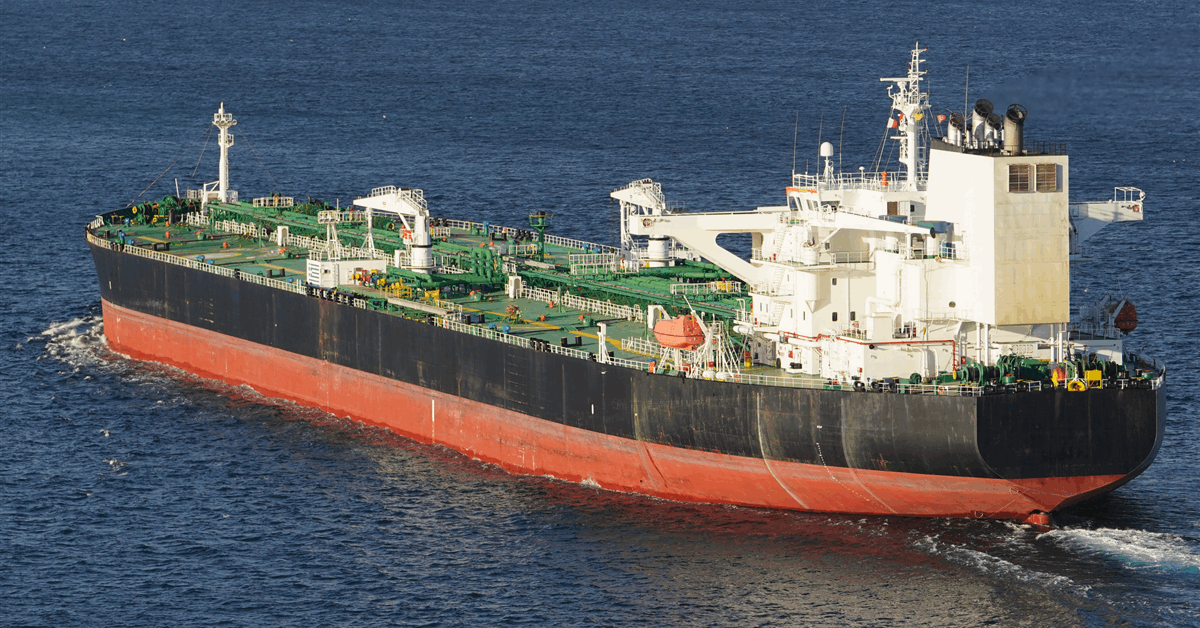
The recent volatility underscores the market’s sensitivity to regional developments. We’ve observed direct physical threats, such as the attempted attack on Saudi Arabia’s Ras Tanura refinery, a critical processing and export facility. In response, the Kingdom has begun diverting supplies away from the Persian Gulf towards the Red Sea, a strategic move to maintain operational continuity and secure its export routes. This proactive measure, however, does not fully mitigate the risk of broader disruptions. Furthermore, at least three very large crude carriers (VLCCs) originally bound for the Gulf from Asia have now diverted towards the Atlantic Basin, a clear signal that shipping companies are actively avoiding the region due to heightened risks and rising insurance premiums. An Indian refiner has also notified customers of suspended fuel exports, pointing to soaring global prices as a direct consequence of the turmoil.
The Strait of Hormuz: A Bottleneck for Global Energy Security
The core of the market’s anxiety revolves around the Strait of Hormuz, the narrow maritime passage through which an astounding one-fifth of the world’s daily oil supply transits. Recent strikes and counter-strikes across the Persian Gulf have effectively brought traffic through this vital chokepoint to a near standstill. The implications are profound: major producers are being forced to shut in output as storage facilities rapidly approach capacity. Our intelligence, corroborated by market analysis firms, confirms that significant Saudi Arabian storage sites are under pressure; four of the six tanks at the Ras Tanura refinery are reportedly full, and the Ju’aymah terminal on the country’s east coast is quickly running out of spare capacity. Without normal flows through Hormuz, sustaining production becomes untenable, leading to forced curtailments and further tightening of global supply.
The United States has acknowledged the severity of the crisis, with President Trump proposing that the US International Development Finance Corporation (DFC) offer insurance to vessels and provide naval escorts “if necessary.” While this initiative aims to ensure the flow of energy and other trade, the shipping industry remains skeptical, viewing it as a partial solution at best to a crisis of historic proportions. Furthermore, the world’s largest insurance broker, Marsh, has indicated that arranging such a plan could take several weeks, a timeline that offers little immediate relief to a market demanding proof of traffic resuming toward normalcy.
Investor Sentiment and Forward Outlook: What Our Readers Are Asking
Our real-time reader intent data reveals a clear focus on price direction, with many investors asking about the short-term trajectory for WTI and the long-term outlook for oil prices by the end of 2026. The current environment suggests that while today’s crude prices show a slight positive movement, the underlying volatility from the past 14 days, where Brent shed over $7, speaks to profound uncertainty. For the short term, WTI’s direction will hinge directly on developments in the Persian Gulf. Any confirmed escalation or persistent disruption to shipping through the Strait of Hormuz will undoubtedly drive prices higher, potentially retesting recent highs. Conversely, any credible signals of de-escalation or a resumption of normal traffic could see a rapid unwinding of the geopolitical risk premium, leading to sharp corrections.
Looking further ahead, the long-term price outlook for oil remains highly dependent on the duration and extent of this conflict. Should trade disruptions persist, the specter of a global energy crisis and broader inflationary fears will intensify. Investors are also keenly interested in the performance of integrated energy companies, as evidenced by questions regarding specific players like Repsol. The ability of these companies to navigate supply chain disruptions, manage geopolitical risks, and adapt to evolving market dynamics will be crucial for their financial performance through the remainder of 2026.
Key Dates on the Horizon: Monitoring Supply and Demand Signals
Amidst the geopolitical storm, investors must closely monitor fundamental data releases for clearer signals. This Wednesday, April 22nd, marks the release of the EIA Weekly Petroleum Status Report, which will offer crucial insights into U.S. crude inventories, gasoline demand, and refinery utilization. With global supply chains under duress and physical disruptions mounting, any significant inventory draws or unexpected shifts in refinery activity could exacerbate price pressures, particularly if the report highlights a widening gap between supply and demand.
Looking further ahead, the Baker Hughes Rig Count on April 24th and again on May 1st will indicate North American production trends, providing an important gauge of whether upstream activity is responding to higher prices or constrained by other factors. The API Weekly Crude Inventory reports on April 28th and May 5th will offer an early glimpse into U.S. stock changes, often setting the tone for the official EIA data. Perhaps most critically, the EIA Short-Term Energy Outlook on May 2nd will offer updated supply and demand forecasts, which will be heavily scrutinized for how the agency is factoring in the ongoing Middle East instability and its potential long-term effects on global energy balances and, consequently, future price trajectories. These upcoming events will be instrumental in shaping market sentiment and providing tangible data points against a backdrop of ongoing geopolitical uncertainty.


