A Tightening Grip: Hormuz Closure Sparks Storage Crisis and Market Volatility
The geopolitical landscape in the Middle East has entered a critical phase, with the ongoing conflict forcing the effective closure of the Strait of Hormuz, the world’s most vital oil transit chokepoint. This unprecedented disruption is creating a severe bottleneck for Persian Gulf oil producers, who are now facing a tense countdown as their crude storage tanks rapidly fill. The implications for global oil supply, prices, and the broader energy market are profound, demanding immediate attention from investors. As a senior analyst for OilMarketCap.com, we leverage our proprietary data to cut through the noise and provide actionable insights into this developing crisis and its potential impact on your portfolio.
The Looming Storage Crunch: A Race Against Capacity
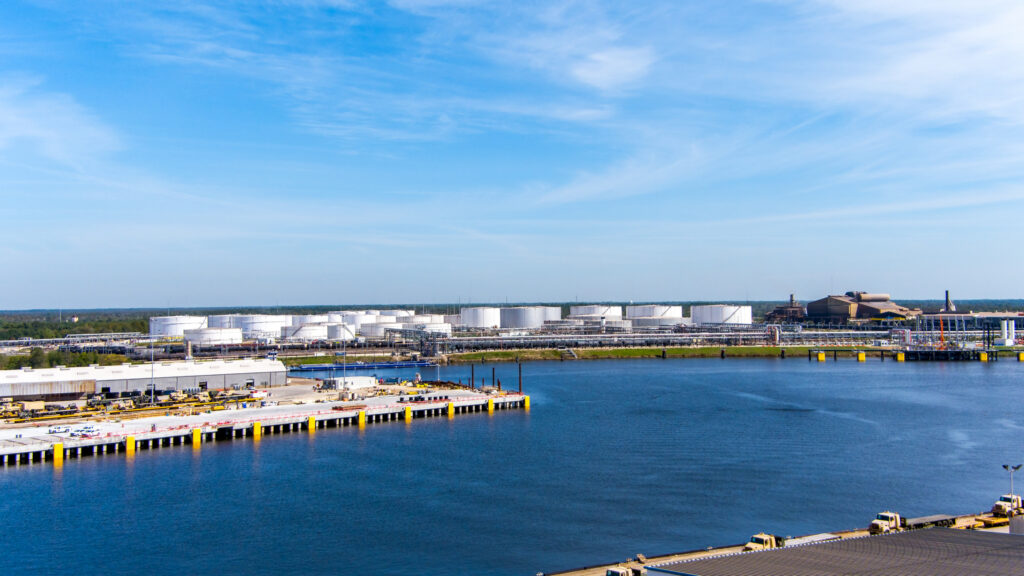
The immediate consequence of the Hormuz suspension is a rapidly escalating storage crisis. Persian Gulf nations, including Saudi Arabia, the United Arab Emirates, Kuwait, and Iraq, are being forced to stockpile millions of barrels of crude that would typically flow to global markets. Our analysis, drawing on industry insights, indicates that these producers collectively possess just over 100 million barrels of remaining crude storage capacity. However, this figure is deceptive; operational realities dictate that effective usage rarely exceeds 80% of nameplate levels, and not all capacity is equally accessible or interconnected. This inefficiency means the true buffer is significantly smaller than it appears.
Iraq, with its inherently limited storage infrastructure, has already been compelled to initiate substantial production cuts. The stark warning from market strategists at JPMorgan Chase & Co. suggests that larger producers like Saudi Arabia and the UAE could hit their “tank tops” and be forced to curtail output within weeks – potentially just three weeks if no alternative export solutions materialize. Even key facilities, such as Saudi Arabia’s Ju’aymah terminal, were quickly nearing full capacity as of early March, while four of six tanks at the Ras Tanura refinery were already full before recent attacks. This rapidly diminishing storage space signals an imminent and drastic reduction in global crude supply if the situation persists.
Market Dynamics and Geopolitical Headwinds
The market has already reacted sharply to the escalating tensions. While initial reports of a potential de-escalation saw crude prices pare some gains, the underlying supply threat remains acute. As of today, Brent crude trades at $93.57, up a modest 0.35% within its daily range, following a significant seven-dollar decline over the past two weeks from $101.16 to $94.09. This volatility underscores the market’s sensitivity to geopolitical developments and supply fears. WTI crude similarly stands at $90.12, reflecting the broader market uncertainty. The initial rally that propelled oil futures above $85 a barrel was a clear signal of the market pricing in significant supply risk, and deeper production losses would undoubtedly intensify this rally, fueling inflationary pressures globally.
Efforts to mitigate the crisis, such as President Trump’s offer of U.S. naval escorts and insurance guarantees for safe passage, are viewed by the shipping industry as only a partial solution. The sheer volume of oil transiting Hormuz daily, combined with the inherent risks of navigating a conflict zone, makes a complete restoration of normal shipping flow challenging. While some Persian Gulf producers might be able to divert limited supplies via alternative routes, extending their storage capacity by perhaps a week, this offers only a temporary reprieve and is insufficient to offset the scale of the impending supply disruption.
Investor Focus: Navigating Uncertainty with Forward-Looking Data
Our proprietary reader intent data reveals that investors are keenly focused on understanding the future trajectory of WTI and overall oil prices through the end of 2026. This immediate concern about market direction is entirely justified given the current high-stakes environment. Predicting precise price points is challenging, but understanding the key catalysts and data points is paramount for informed investment decisions.
Over the next two weeks, several critical energy events on our proprietary calendar will provide vital insights into the market’s health and potential future direction. The **EIA Weekly Petroleum Status Reports**, scheduled for April 22nd, April 29th, and May 6th, will offer crucial updates on U.S. crude oil and product inventories. A significant draw in U.S. stockpiles could amplify the impact of Middle Eastern supply disruptions, whereas an unexpected build might offer a temporary counterpoint. Similarly, the **Baker Hughes Rig Count** updates on April 24th and May 1st will indicate the health and potential growth of North American production, a vital swing factor if global supplies tighten further. Investors should also closely monitor the **EIA Short-Term Energy Outlook** on May 2nd, which will provide updated official projections on supply, demand, and prices, offering a more formalized perspective on the market’s future balance. These events, combined with ongoing geopolitical developments, will heavily influence whether WTI crude trends upwards or experiences further volatility.
Strategic Investment Considerations in a Constrained Market
The confluence of geopolitical risk and physical supply constraints creates a complex and potentially lucrative, albeit volatile, environment for oil and gas investors. The scenario of producers reaching “tank tops” and being forced into output curtailments is not theoretical; it is already manifesting in Iraq and threatens to spread. This implies a significant tightening of global crude markets, pushing prices higher and potentially benefiting producers outside the immediate conflict zone with diversified export capabilities.
For investors, strategic considerations include evaluating companies with strong balance sheets, operational flexibility, and exposure to regions less affected by the Strait of Hormuz closure. Midstream companies with alternative pipeline infrastructure or significant storage capacity in less volatile regions could also see increased demand for their services. Conversely, refiners heavily reliant on specific crude grades from the Persian Gulf might face higher input costs and supply chain challenges. Monitoring the efficacy of naval escorts, the actual pace of storage filling across the Gulf, and the ability of key producers to divert crude through alternative routes will be critical in assessing the duration and intensity of this supply shock. In this rapidly evolving landscape, data-driven analysis and agility will be key to navigating the investment opportunities and risks.