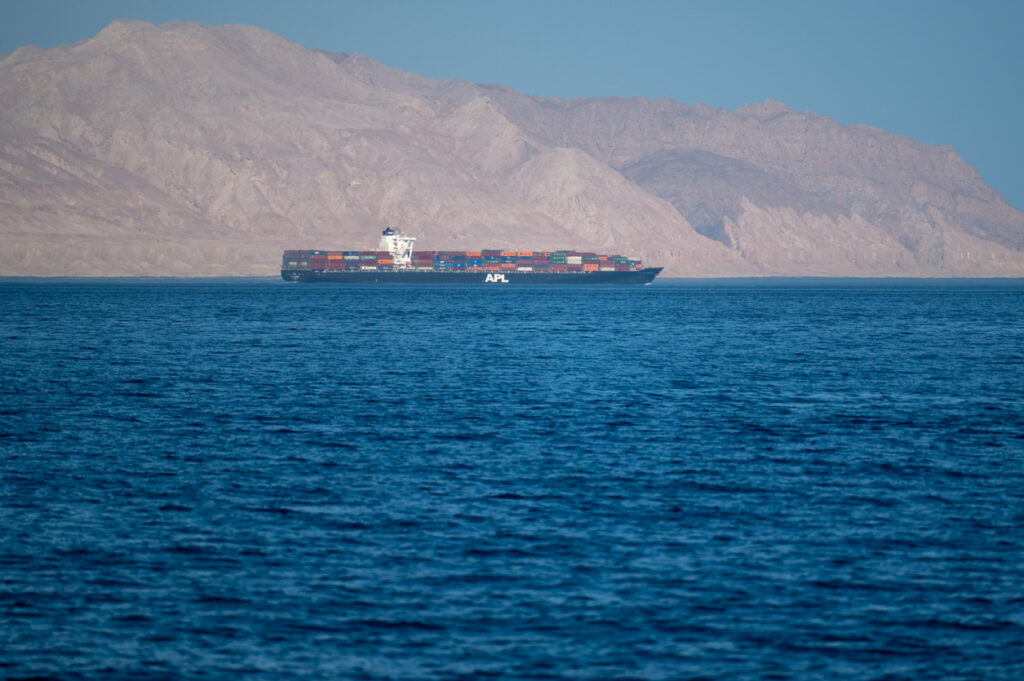
The geopolitical landscape of global energy has been abruptly reshaped following a U.S. strike on an Iranian warship off Sri Lanka, an event that has significantly deepened the crisis in the Strait of Hormuz. For five consecutive days, this critical maritime chokepoint, through which approximately one-fifth of the world’s oil and liquefied natural gas (LNG) transits, has seen shipping paralyzed. The immediate fallout includes critical supply disruptions from major Gulf producers, raising the stakes for global energy markets. While the initial instinct might be to anticipate a sharp upward price trajectory, our proprietary data reveals a more nuanced, and perhaps counter-intuitive, market reaction that demands closer scrutiny from investors.
The Immediate Aftermath: Gulf Supply Under Duress
The escalation has delivered a tangible shock to Middle East energy flows. Reports indicate at least 200 vessels, including crucial oil and LNG tankers, remain stranded at anchor off key Gulf nations like Iraq, Saudi Arabia, and Qatar. Hundreds more are held outside the Strait, unable to access ports. Qatar, a global LNG powerhouse, has declared force majeure on shipments and confirmed a full shutdown of its gas liquefaction operations, not expecting to return to normal production and exports for at least a month. Meanwhile, Iraq has been compelled to cut its oil production due to a lack of storage capacity, unable to load crude onto tankers. While the full extent of production cuts from Saudi Arabia, the UAE, and Kuwait remains unclear, their struggle to load oil points to a broader logistical nightmare impacting regional output. This confluence of events undeniably signals a severe tightening of physical supply from a region vital to global energy security.
Market Paradox: Prices Decline Amidst Escalation
Given the severe supply disruptions and heightened geopolitical risk, many investors might expect crude prices to be soaring. However, OilMarketCap.com’s live data presents a different picture. As of today, Brent Crude trades at $90.38, having stabilized within a day range of $86.08-$98.97. WTI Crude is at $82.59, with its day range between $78.97-$90.34. More strikingly, our 14-day Brent trend analysis shows a significant decline, from $112.78 on March 30th to its current $90.38, representing a nearly 20% drop. This counter-intuitive market response, where prices have fallen despite a clear escalation of conflict and a chokehold on a major artery, warrants deep consideration.
Several factors are likely contributing to this market paradox. Firstly, U.S. President Trump’s pledge to provide insurance and naval escorts for ships exporting oil and gas from the Middle East appears to have had a calming effect. The U.S. International Development Finance Corporation’s commitment to political-risk insurance and financial guarantees signals a robust effort to ensure the free flow of energy, mitigating the perceived risk premium. Furthermore, the rare transit of the Suezmax tanker Pola through the Strait of Hormuz to the UAE, despite the prevailing gridlock, suggests that shipping is not entirely halted and that pathways, however perilous, can still be navigated. While Goldman Sachs recently raised its Brent forecast to $76 and WTI to $71 per barrel, citing longer-than-expected disruption, the market’s current price action indicates a divergence, suggesting investors are weighing the U.S. intervention and the possibility of a contained crisis against the physical supply shock.
Investor Focus: Navigating Price Volatility and Future Outlook
Our proprietary reader intent data shows investors are keenly asking: “is WTI going up or down?” and “what do you predict the price of oil per barrel will be by end of 2026?” The current geopolitical climate makes short-term predictions exceptionally volatile. With WTI currently at $82.59, the immediate direction hinges on further developments in the Strait of Hormuz and the efficacy of U.S. intervention. While the decline from recent highs suggests some market confidence in containment, any further escalation or a failure of the U.S. to ensure safe passage could quickly reignite a significant risk premium. For the longer term, the Middle East crisis underscores the inherent geopolitical risk in energy investments. While the U.S. is committed to maintaining global energy flows, the underlying tensions and potential for disruption will likely bake a higher risk premium into oil prices for the foreseeable future, influencing strategic decisions for portfolio diversification and hedging against supply shocks.
Upcoming Calendar Events: Key Catalysts for the Near-Term
The coming weeks are packed with crucial energy events that will provide further clarity and potentially shift market sentiment amidst the ongoing crisis. Investors should closely monitor the OPEC+ Joint Ministerial Monitoring Committee (JMMC) meeting on April 20th, followed by the full OPEC+ Ministerial Meeting on April 25th. These gatherings are critical. Will OPEC+ members adjust their production quotas in response to the disruptions from Iraq and Qatar, or to the potential for further supply cuts from other Gulf producers struggling with loading? Any decision, or lack thereof, will significantly impact global supply expectations. Furthermore, the weekly API Crude Inventory reports (April 21st and 28th) and the EIA Weekly Petroleum Status Reports (April 22nd and 29th) will offer vital insights into U.S. crude and product inventories. Significant draws could signal a tightening global market, amplifying the impact of Middle Eastern disruptions, while builds might temper upward price pressure. Finally, the Baker Hughes Rig Count on April 24th and May 1st will indicate the health and future trajectory of U.S. domestic production, a key swing factor in times of international supply uncertainty.
The Long Game: Geopolitical Risk and Energy Security Investment
The events unfolding in the Strait of Hormuz serve as a stark reminder of the enduring geopolitical risks embedded in the global energy supply chain. While the market’s initial reaction has seen prices retreat from their highs, likely on the back of anticipated U.S. intervention, the underlying fragility of Middle Eastern energy flows remains a profound concern. Investors must continue to weigh the immediate physical supply disruptions against the geopolitical will to maintain stability. The current environment underscores the importance of a diversified energy portfolio, potentially including investments in regions with lower geopolitical risk, and a keen eye on energy security plays. The long-term implications of this widening conflict will undoubtedly include a sustained focus on diversifying supply routes and strengthening strategic reserves, fundamentally altering investment theses for years to come.