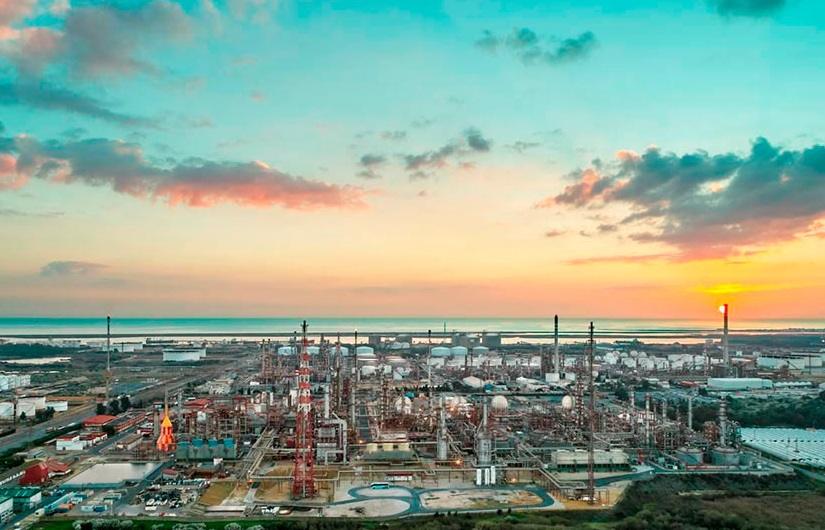
The global energy landscape continues its dynamic evolution, with significant capital flowing into next-generation fuels even as traditional oil markets face ongoing volatility. A standout development in this transition is Moeve’s recent final investment decision (FID) to construct the Onuba project in Spain. This ambitious initiative, poised to become the largest green hydrogen facility in Southern Europe, represents a €1 billion (USD$1.2 billion) commitment to decarbonization, anchoring a pivotal shift towards sustainable industrial and transport solutions. For investors tracking the future of energy, Moeve’s strategic move offers crucial insights into where smart money is heading and how established energy players are diversifying their portfolios in an increasingly carbon-conscious world.
The Onuba Project: A Deep Dive into Green Hydrogen’s Potential
Moeve’s Onuba project is not merely an investment in a new facility; it’s a bold statement about the future role of green hydrogen. With an initial capacity of 300 MW, expandable by an additional 100 MW pending regulatory approvals, the plant is projected to produce approximately 45,000 tons of green hydrogen annually. This significant output is expected to reduce CO2 emissions by a staggering 250,000 tons each year, directly addressing the urgent need for decarbonization in sectors notoriously difficult to abate. These include aviation, road, and marine transport fuels, alongside critical industrial processes in the chemical and fertilizer industries. Moeve will retain a 51% majority ownership, partnering with experienced energy developers Masdar and Enalter, ensuring robust project governance and diversified expertise. The initiative has also garnered substantial support, receiving €304 million from the Spanish government under the European Union’s NextGenerationEU program, underscoring its strategic national and regional importance.
Navigating Volatility: Green Investments Amidst Shifting Crude Markets
The substantial €1 billion investment in Onuba comes at a time when traditional oil markets are experiencing notable fluctuations, offering a stark contrast in investment philosophy. As of today, Brent Crude trades at $90.38, while WTI Crude is at $82.59. This snapshot follows a period of significant downside, with Brent having declined from $112.78 just weeks ago on March 30th, representing a nearly 20% depreciation. This sharp downturn in crude prices highlights the inherent volatility and geopolitical sensitivities of fossil fuel investments. Against this backdrop, Moeve’s commitment to green hydrogen, backed by substantial government funding, serves as a compelling example of diversifying capital into assets with more predictable long-term demand drivers tied to global decarbonization mandates. For investors seeking stability and growth outside the cyclical nature of crude, projects like Onuba offer a strategic hedge, channeling capital into an energy vector positioned for sustained expansion regardless of short-term oil price swings.
Strategic Implications and Upcoming Market Catalysts
Moeve’s Onuba project is a defining step in its “Positive Motion” transformation strategy, aiming to establish Spain as a world-class hub for green molecules and reinforce Europe’s energy and industrial resilience. This strategic foresight aligns with broader investor sentiment, as many of our readers are actively asking about the future trajectory of the energy market, particularly the long-term price of oil per barrel by the end of 2026. While short-term crude prices are influenced by events like the upcoming OPEC+ JMMC Meeting on April 20th and the subsequent OPEC+ Ministerial Meeting on April 25th, alongside weekly inventory reports from the API and EIA, the fundamental drivers for green hydrogen are distinct. These upcoming events will undoubtedly shape the near-term outlook for conventional oil and gas, but they also implicitly underscore the growing need for alternative energy sources that are less susceptible to cartel decisions or geopolitical disruptions. The significant interest in European energy players, akin to questions about Repsol’s performance, further indicates an investor community keenly observing how established companies are adapting to a decarbonized future. Moeve’s move demonstrates a clear path forward, leveraging innovation and government support to build new revenue streams in the energy transition.
Investor Outlook: What Moeve’s Move Means for Your Portfolio
The final investment decision for the Onuba project provides a clear signal for investors: the shift towards green hydrogen is accelerating, particularly in Europe. For portfolios heavily weighted towards traditional hydrocarbons, Moeve’s strategy illustrates a viable pathway for diversification and long-term value creation. The involvement of strategic partners like Masdar and Enalter, combined with the substantial backing from the NextGenerationEU program, de-risks a significant portion of the initial investment, making the project more attractive. This initiative directly addresses investor concerns about the longevity of fossil fuel demand and the imperative to transition towards cleaner energy sources. As the global economy continues its journey towards net-zero, the demand for green hydrogen in hard-to-abate sectors like heavy transport and industrial chemicals is projected to surge. Investors should consider how companies like Moeve are positioning themselves to capitalize on this secular growth trend, potentially offering robust returns that are less correlated with the inherent volatility of crude oil markets. Moeve’s Onuba project is more than just a facility; it’s a blueprint for sustainable growth in the evolving energy landscape, demanding careful attention from forward-thinking investors.


