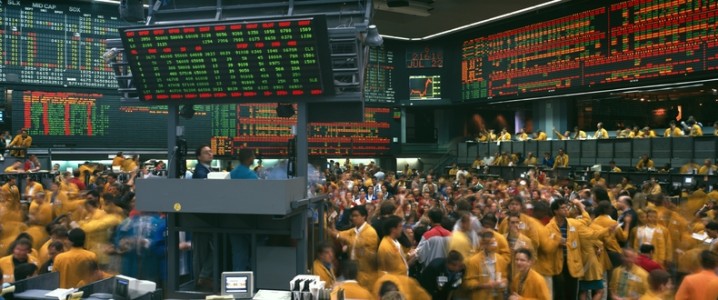
The global oil and gas market is currently navigating a period of heightened volatility, a sentiment starkly underscored by the recent surge in oil and fuel futures and options contracts to an all-time high. This unprecedented volume of trading activity signals a profound shift in market sentiment, driven by escalating geopolitical tensions and a proactive rush by participants to manage exposure. As investors grapple with an unpredictable landscape, understanding the dynamics behind this hedging frenzy and anticipating future catalysts becomes paramount for strategic positioning.
Record Hedging Activity Reflects Mounting Market Uncertainty
The recent spike in futures and options trading on Monday, reaching an aggregate of 12.7 million contracts across crude and fuels, is a powerful indicator of how market participants are reacting to the current environment. Notably, Low Sulphur Gasoil contracts hit a record 1.3 million, highlighting specific anxieties within the refined products sector. For crude benchmarks, Brent and West Texas Intermediate futures and options trading on March 1 alone amounted to 4.8 million contracts, with Monday seeing Brent contracts jump 11% and WTI contracts add 8%. This aggressive hedging, particularly by U.S. oil producers, is a clear strategy to lock in prices amid perceived supply risks.
As of today, Brent Crude trades at $94.09, showing a modest 0.91% increase within a day range of $93.52-$94.21. WTI Crude stands at $90.59, up 1.03% with a day range of $89.71-$90.7. While these figures indicate a slight upward push today, our proprietary 14-day trend analysis reveals Brent has actually softened by 7%, dropping from $101.16 on April 1st to its current level. This dichotomy — a recent price dip alongside record hedging volumes — suggests that while immediate price movements can be volatile, market players are bracing for significant future price swings. Industry experts confirm this proactive stance, noting a palpable readiness among producers and dealers to immediately execute trades at key moments, anticipating further price increases tied to supply chain disruptions and geopolitical developments.
Geopolitical Tensions Fueling Supply Risk Premiums
The primary catalyst for this elevated risk perception and subsequent hedging activity stems from escalating geopolitical tensions in the Middle East. Recent threats from Iran regarding potential attacks on tankers attempting to enter the Strait of Hormuz have injected a substantial risk premium into global oil prices. This critical chokepoint, through which a significant portion of the world’s seaborne oil passes, is highly sensitive to any disruption. The market’s reaction reflects concerns over potential supply interruptions and increased shipping costs as insurers reportedly cancel coverage in the region.
Further exacerbating supply concerns are reports of Iraq beginning to curtail oil production due to a lack of storage capacity, with Kuwait potentially facing similar issues if regional conflict persists. Such developments directly impact global supply balances, tightening the market and pushing prices higher. While the U.S. administration has offered support, including insurance from the Development Finance Corporation for tankers loading in the Middle East and the prospect of U.S. Navy escorts, these measures underscore the severity of the threat rather than fully mitigating it. Investors must therefore factor in these persistent geopolitical uncertainties as a fundamental driver of crude oil price volatility and a critical element in their energy investment thesis.
Navigating the Future: Key Data Points and Investor Queries
In a market characterized by such intense hedging and geopolitical uncertainty, forward-looking analysis is indispensable. Investors are keenly asking about WTI’s trajectory and what factors will determine oil prices by the end of 2026. Our proprietary reader intent data shows significant interest in understanding the underlying forces that will shape future market dynamics. The coming weeks will offer crucial data points that could either confirm or challenge current market assumptions and provide much-needed clarity:
- EIA Weekly Petroleum Status Reports (April 22, April 29, May 6): These reports are vital for tracking U.S. crude oil and product inventories, refining activity, and demand indicators. Significant draws or builds can sway sentiment and prices, providing insights into the balance of supply and demand.
- Baker Hughes Rig Count (April 24, May 1): This industry benchmark offers a weekly snapshot of drilling activity, serving as a leading indicator for future U.S. oil and gas production trends. An increase or decrease here can signal shifts in supply expectations.
- API Weekly Crude Inventory (April 28, May 5): Often seen as a precursor to the EIA’s official numbers, the American Petroleum Institute’s inventory data can provide early indications of market tightness or oversupply.
- EIA Short-Term Energy Outlook (May 2): This comprehensive monthly report from the U.S. Energy Information Administration provides detailed forecasts for supply, demand, and prices across various energy commodities, extending into the next year. It will be critical for investors seeking to refine their longer-term oil price predictions, addressing questions about the trajectory of crude prices through 2026.
Monitoring these events closely will be essential for investors aiming to capitalize on market movements and adjust their portfolios in response to evolving supply-demand fundamentals and geopolitical developments.
Strategic Implications for Energy Investors
The confluence of record hedging activity, persistent geopolitical risks, and upcoming market-moving data underscores the complex environment facing oil and gas investors. The proactive stance of producers, locking in higher prices through extensive futures and options contracts, suggests an expectation of continued elevated prices or at least significant downside risk protection. This strategy highlights the importance of robust risk management in energy portfolios.
For investors, this means maintaining a diversified approach, carefully assessing exposure to companies with operations in geopolitically sensitive regions, and understanding the hedging strategies employed by E&P companies. While the 14-day Brent trend shows a recent retreat from over $101 per barrel, the underlying drivers of volatility remain potent. The market is not just reacting to current events but actively positioning for anticipated future challenges. Successfully navigating this landscape will require continuous monitoring of both macro-geopolitical developments and granular supply-demand indicators provided by upcoming reports. Investors who align their strategies with these insights will be best positioned to capture value in the dynamic global energy market.


