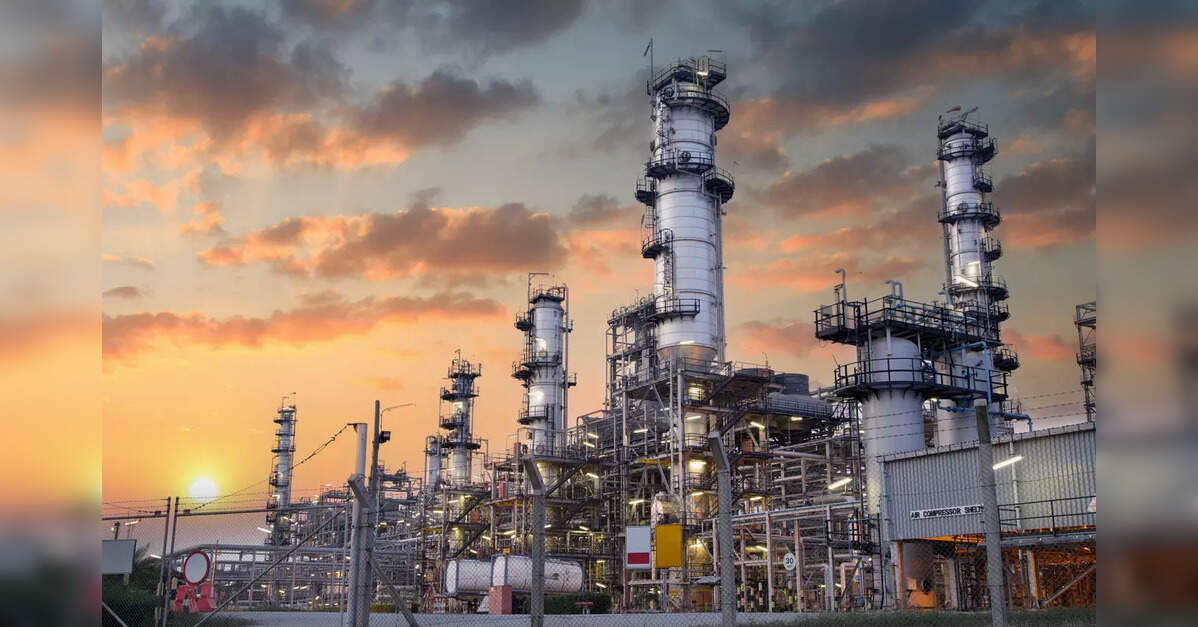
The global energy landscape is once again gripped by uncertainty following a significant disruption in the Middle East. Qatar, the world’s largest exporter of liquefied natural gas (LNG), has announced a halt in production from its Ras Laffan facility, directly attributed to a drone attack. This development sends immediate ripples through industrial supply chains, particularly in major importing nations like India, and promises to inject fresh volatility into an already sensitive market. For energy investors, understanding the immediate supply implications, crude market dynamics, and the influence of upcoming calendar events is paramount to navigating potential shifts in valuation and opportunity.
Geopolitical Flashpoint Strains Industrial Gas Supply
The suspension of LNG production from Qatar’s Ras Laffan facility represents a critical supply shock, given the nation’s dominant position in the global LNG market. This geopolitical event, stemming from a drone attack, immediately triggered warnings across the supply chain, particularly impacting industrial consumers reliant on imported hydrocarbons. In India, for instance, a major buyer of LNG and heavily dependent on West Asian imports, industries are facing imminent propane and natural gas shortages. Manufacturers, especially the 650 ceramic units in Gujarat’s Morbi cluster, have been alerted by suppliers like IndianOil and Gujarat Gas about potential disruptions. IndianOil, a key propane provider to this industrial hub, has reportedly communicated to its customers that current propane supplies could last for as little as three days, signaling the severe and immediate nature of the crisis. Other significant suppliers to Gujarat’s industrial clusters, including Reliance Industries, Bharat Petroleum Corporation, and Aegis Logistics, are undoubtedly monitoring the situation closely. Beyond direct supply, the broader tensions in the West Asia region continue to disrupt crucial shipping lanes through the Strait of Hormuz, driving up global energy prices, alongside escalating shipping and insurance costs, which ultimately impact consumer prices and industrial margins.
Crude Market Volatility and Investor Outlook
The Qatari LNG halt, while directly affecting natural gas markets, also reverberates through the broader energy complex, adding a layer of geopolitical risk to crude oil prices. As of today, Brent crude trades at $90.38 per barrel, while WTI crude stands at $82.59. This snapshot arrives after a period of significant volatility, with Brent having declined sharply from $112.78 on March 30 to its current level, marking a substantial 19.9% drop over less than three weeks. This recent downward trend in crude prices, likely influenced by demand concerns or inventory builds, now confronts renewed upward pressure from escalating tensions in the Middle East. Many investors are keenly asking about the future trajectory of oil prices, with questions like “is WTI going up or down?” and “what do you predict the price of oil per barrel will be by end of 2026?” dominating recent inquiries. While the direct impact of an LNG halt on crude supply is indirect, the underlying geopolitical instability often translates into a risk premium for all hydrocarbons. This suggests that the recent bearish sentiment in crude markets could quickly pivot, especially if the Qatari situation escalates or if other regional supply routes face further disruptions. Companies like GAIL, India’s largest gas producer, are already considering strategic shifts, with informal communications suggesting a potential focus on liquid hydrocarbons (propane, naphane, pentane, and LPG) over petrochemicals, underscoring the immediate re-evaluation of production priorities in light of supply chain vulnerabilities.
Upcoming Catalysts and Forward-Looking Analysis
The coming weeks are packed with critical energy events that will intersect directly with the implications of the Qatari LNG disruption, offering pivotal insights for investors grappling with future price predictions. Investors should closely monitor the OPEC+ Joint Ministerial Monitoring Committee (JMMC) Meeting on April 20, followed by the full OPEC+ Ministerial Meeting on April 25. These gatherings will provide the first formal opportunity for major oil producers to assess the current market dynamics, including the ripple effects of the Qatari situation and broader West Asian tensions. Any indication of production adjustments or revised outlooks from OPEC+ could significantly sway crude prices. Furthermore, the weekly inventory reports from the American Petroleum Institute (API) on April 21 and 28, and the official EIA Weekly Petroleum Status Reports on April 22 and 29, will offer crucial data points on U.S. crude and product stocks. High inventory draws, particularly amidst perceived supply risks, could amplify upward price momentum, while unexpected builds might temper concerns. Alongside these, the Baker Hughes Rig Count on April 24 and May 1 will provide a gauge of future drilling activity and potential supply growth, a critical factor when assessing longer-term supply-demand balances. The interaction of these scheduled events with the unfolding geopolitical landscape will be instrumental in shaping the market’s trajectory through the end of 2026, directly addressing investor inquiries about long-term oil price forecasts.
Strategic Considerations for Energy Investment Portfolios
For investors, the Qatar LNG halt and the broader regional instability underscore the critical importance of energy security and supply chain resilience. This event could accelerate the strategic re-evaluation of energy portfolios, pushing capital towards companies with diversified supply sources, robust storage capacities, or those positioned to benefit from higher natural gas and propane prices. Midstream companies with diversified assets and less direct exposure to single-source imports might prove more resilient. Additionally, the potential shift in focus for entities like GAIL towards liquid hydrocarbons highlights a dynamic where companies may adapt their production mix in response to immediate market needs and geopolitical pressures. This could present opportunities in specific segments of the petrochemical and LPG value chains. Furthermore, the rising shipping and insurance costs associated with transit through volatile regions like the Strait of Hormuz will increasingly impact margins for companies involved in international energy trade. Investors must assess the geopolitical risk premium embedded in current energy prices and consider how long-term contracts for LNG and natural gas might be re-negotiated or diversified in the wake of such disruptions. The overarching lesson for the market is a renewed emphasis on risk management and the strategic value of domestic or regionally diverse energy supplies, making companies with strong internal capabilities or alternative sourcing options potentially more attractive in this evolving landscape.


