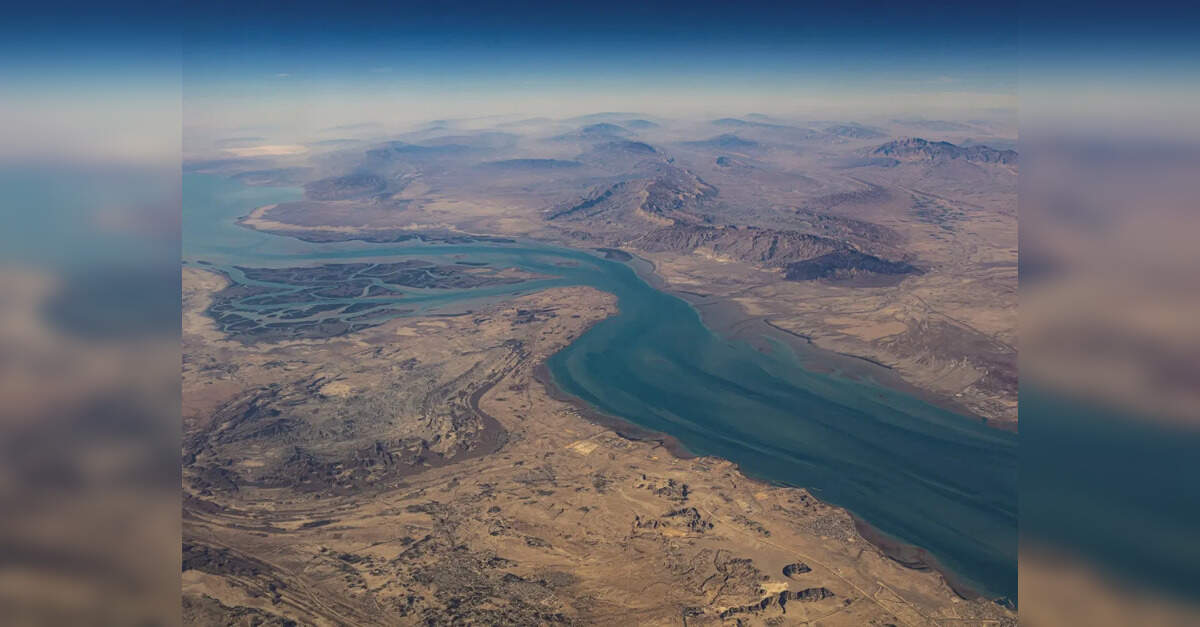
India, a colossal energy consumer, is currently navigating a precarious geopolitical landscape that threatens its vital crude oil and natural gas lifelines. The escalating conflict in the Middle East, particularly the recent disruptions around the Strait of Hormuz, has triggered an urgent and comprehensive search for alternative energy sources. This pivot is not merely a precautionary measure; it reflects a deep-seated vulnerability in global energy supply chains and demands immediate strategic re-evaluation by investors. For a nation that processes approximately 5.6 million barrels per day (bpd) of crude, with a significant 40% of its imports transiting the Strait of Hormuz, the stakes for energy security and economic stability could not be higher. This analysis delves into India’s current challenges, the immediate market reactions, and the forward-looking investment implications of its strategic energy recalibration.
Geopolitical Tensions Reshape India’s Crude Import Strategy
The Strait of Hormuz, a critical maritime choke point between Iran and Oman, has once again become a flashpoint, severely disrupting a waterway responsible for transporting roughly one-fifth of the world’s oil consumption. With vessels in the area reportedly impacted amidst heightened regional conflict, India’s refiners face an immediate and substantial threat to their crude supply. While the nation currently holds sufficient crude inventories to meet demand for approximately 25 days, and an equivalent 25-day buffer for refined products like gasoil, gasoline, and liquefied petroleum gas (LPG), the prolonged closure or severe disruption of this artery would necessitate rapid and costly rerouting. This scenario is compelling New Delhi to actively scout for new crude sources globally, moving beyond its traditional Middle Eastern suppliers to diversify risk. Investors should closely monitor India’s success in forging these new partnerships, as any significant shift in buying patterns could reverberate through regional crude differentials and tanker markets.
The Acute LNG Supply Crisis and Industrial Impact
While crude oil supplies present a significant challenge, India’s liquefied natural gas (LNG) situation appears even more critical. The nation faces an acute shortage, with only a few days of LNG supplies remaining after its largest supplier, Qatar, abruptly halted production earlier this week. This immediate cessation has already forced Indian companies to curtail gas supplies to industrial customers, a move that directly impacts manufacturing output and economic activity. The rapid depletion of LNG reserves underscores the fragility of global gas supply chains, especially when a single dominant supplier faces operational issues or geopolitical pressure. For investors, this highlights the potential for volatility in regional gas prices and the urgency for India to secure prompt alternative LNG cargoes, likely from spot markets, which could drive prices higher in the short term. The ability of India to quickly secure new LNG supplies will be a key indicator of its resilience in the face of this immediate energy crunch.
Current Market Snapshot and Investor Price Concerns
The ongoing geopolitical turbulence is undeniably influencing global energy markets, yet the immediate price reaction has been somewhat counterintuitive, signaling a complex interplay of factors. As of today, Brent Crude trades at $90.38, while WTI Crude stands at $82.59. Gasoline prices are at $2.93. Notably, Brent has experienced a significant downturn recently, declining from $112.78 on March 30th to its current $90.38, representing a substantial 19.9% drop over the past 14 days. This downward trend, despite the clear supply risks emanating from the Middle East, reflects broader concerns about global demand, rising interest rates, and perhaps, a perceived resilience in overall supply or strategic reserves. Many investors are asking whether WTI is going up or down, and what the price of oil per barrel will be by the end of 2026. While the immediate bearish sentiment might seem to contradict the Strait of Hormuz risk, the underlying geopolitical tension provides a robust floor. Any further escalation or concrete supply disruptions, particularly from the Middle East, could rapidly reverse this downward trend, sending prices upwards as markets re-price the risk premium. Investors should be prepared for increased volatility as these conflicting signals play out.
Strategic Re-alignments and Upcoming Market Catalysts
India’s proactive search for new energy partners presents a pivotal moment for global energy geopolitics. While the source noted that Indian refiners had previously curtailed purchases of Russian oil to avoid U.S. tariffs and facilitate a trade deal with Washington, the current crisis may force a re-evaluation of this stance. Diversifying away from the Middle East could logically lead India back to opportunistic purchases from other major producers, including Russia, if the pricing is favorable and geopolitical implications are manageable. Looking ahead, investors must closely monitor several key events in the coming days that could profoundly impact supply-demand dynamics and price action. The OPEC+ Joint Ministerial Monitoring Committee (JMMC) Meeting on April 20th and the subsequent OPEC+ Ministerial Meeting on April 25th will be critical. Any adjustments to production quotas by the cartel in response to market conditions, particularly in light of India’s sourcing challenges, could either alleviate or exacerbate supply concerns. Furthermore, the weekly API and EIA crude inventory reports on April 21st/28th and April 22nd/29th, respectively, will offer crucial insights into U.S. supply levels and demand indicators, influencing market sentiment. The Baker Hughes Rig Count on April 24th and May 1st will also provide a snapshot of North American production activity. These events, combined with India’s urgent need to secure energy, will shape the immediate and medium-term trajectory of oil and gas markets, demanding vigilant attention from sophisticated investors.


