Argentina’s RIGI Program: Unlocking Vaca Muerta’s Shale Riches for Global Investors
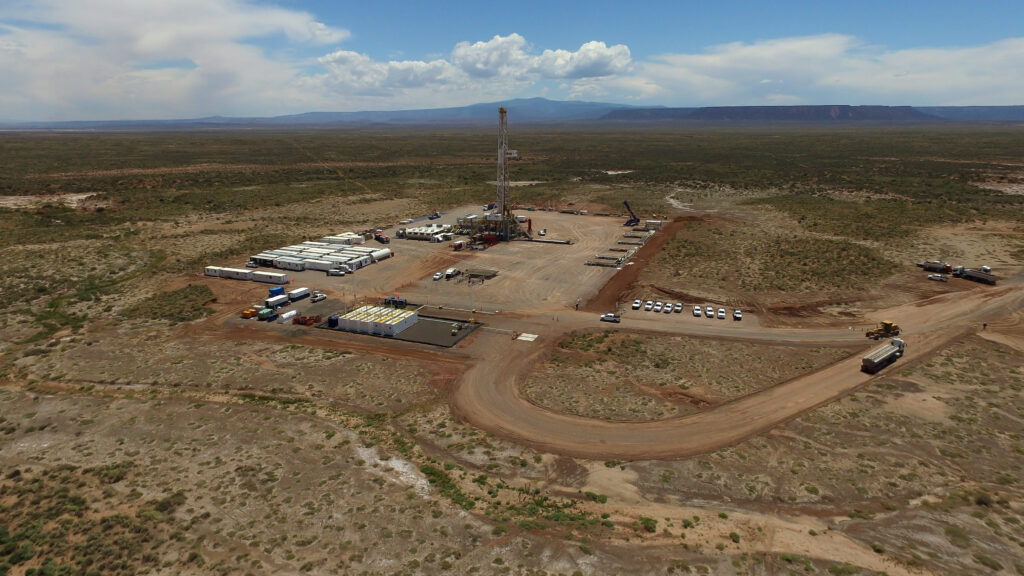
Argentina’s Vaca Muerta shale play, often hailed as one of the world’s most promising unconventional resource basins, is poised for a significant surge in investment thanks to President Javier Milei’s expanded investment incentive scheme, known by its Spanish acronym RIGI. This strategic move, broadening the program’s scope to include virgin shale oil wells, is set to accelerate development timelines and enhance project economics, drawing keen interest from major energy players and positioning Argentina as a crucial growth frontier in the global oil landscape. For investors navigating an increasingly complex energy market, RIGI represents a compelling opportunity to tap into long-term, de-risked growth in a world-class resource.
The RIGI Catalyst: Accelerating Vaca Muerta’s Development Trajectory
The RIGI incentive scheme is a powerful mechanism designed to attract and secure large-scale investments, offering a robust framework that includes 30-year tax breaks and more flexible customs and export regulations. Crucially, the program’s scope was strategically expanded on February 19th, specifically targeting the development of virgin oil fields within the Vaca Muerta shale patch. This expansion has already garnered significant attention from industry leaders. Executives from YPF SA, Vista Energy SAB, and Pampa Energia SA have all highlighted their interest in the program during recent earnings calls, signaling a collective intent to leverage these enhanced incentives.
The sentiment from the ground is overwhelmingly positive. Horacio Marin, CEO of state-run YPF, remarked on a recent earnings call that RIGI “will help for sure to develop the full Vaca Muerta,” a view echoed by his counterparts at Vista and Pampa. Matias Cattaruzi, an equities analyst at Adcap in Buenos Aires, underscores the program’s transformative potential, noting that incorporating shale oil drilling into RIGI “will help to accelerate investments in blocks that were expected to be developed closer to 2029–30 and could now be brought forward a few years.” His analysis suggests that the tax breaks alone are projected to boost returns on these blocks by an impressive margin, potentially up to 12%. With over $50 billion in applications already received for various energy and mining projects under RIGI, the expansion into shale oil is expected to unlock even more substantial capital flows into Vaca Muerta, a region often likened to the early stages of U.S. shale development.
Navigating Global Volatility: Vaca Muerta’s Appeal Amidst Market Shifts
The timing of Argentina’s enhanced investment program is particularly relevant given the current dynamics in the global crude market. As of today, Brent crude trades at $90.38, showing relative stability within its daily range of $86.08 to $98.97. WTI crude similarly hovers at $82.59, moving within its own daily band of $78.97 to $90.34. This current market snapshot, however, follows a period of notable volatility. Our proprietary data indicates that Brent crude has experienced a significant pullback over the past two weeks, declining nearly 20% from $112.78 on March 30th to its current level. This fluctuation underscores the inherent unpredictability of short-term crude prices and highlights the attractiveness of long-term, de-risked investment opportunities.
In an environment where short-term price swings can impact quarterly results, a program like RIGI offers a crucial hedge. By providing predictable 30-year tax breaks and stable regulatory frameworks, it effectively insulates projects from some of the immediate market pressures, enhancing their long-term viability and return profiles. This stability is further bolstered by ongoing infrastructure developments, including a dedicated pipeline and a new port specifically designed for crude exports. These projects are progressing rapidly, creating the necessary logistics backbone to support the anticipated increase in Vaca Muerta production and ensuring that future output can efficiently reach global markets, regardless of immediate price fluctuations.
Investor Focus: De-risking and Long-Term Value Creation
Our proprietary reader intent data offers valuable insights into what drives investor concerns this week. We observe a strong focus on market direction, with common queries such as “is WTI going up or down?” and forward-looking analysis like “what do you predict the price of oil per barrel will be by end of 2026?” Investors are also keenly interested in the performance of specific companies, exemplified by questions like “How well do you think Repsol will end in April 2026.” The RIGI program directly addresses these concerns by providing a robust framework for de-risking long-term investments in Argentina.
By offering substantial tax breaks and regulatory stability over three decades, RIGI makes long-term project economics more predictable and attractive. This predictability helps to answer questions about future company performance by creating a more stable operating environment, mitigating fiscal and export uncertainties. The projected boost of up to 12% in project returns due to RIGI’s tax incentives directly contributes to enhanced shareholder value and strengthens the investment case for companies operating in Vaca Muerta. Furthermore, the commitment to building dedicated export infrastructure, including a new pipeline and port, significantly reduces off-take risk, a critical factor for large-scale oil developments. This combination of fiscal incentives and infrastructure support provides a compelling narrative for investors seeking durable value in a volatile energy market, making long-term oil price predictions more robust when applied to Vaca Muerta’s growth trajectory.
Looking Ahead: Upcoming Events and Vaca Muerta’s Global Impact
The global energy calendar holds several key events in the coming weeks that will shape the broader market context for Vaca Muerta’s expansion. On April 20th, the OPEC+ JMMC Meeting is scheduled, followed by the crucial OPEC+ Ministerial Meeting on April 25th. These gatherings are pivotal for assessing potential shifts in global production policy, which could directly influence crude oil prices. Additionally, regular market indicators such as the API Weekly Crude Inventory (April 21st, April 28th), the EIA Weekly Petroleum Status Report (April 22nd, April 29th), and the Baker Hughes Rig Count (April 24th, May 1st) will provide ongoing insights into short-term supply and demand dynamics and drilling activity, particularly in North America.
While these events are global in scope, their implications for Vaca Muerta are significant. A stable or upward-trending price environment, potentially influenced by OPEC+ decisions or favorable inventory reports, would further enhance the economic attractiveness of the long-term projects fostered by RIGI. The 30-year horizon of RIGI’s incentives allows investors to look beyond immediate market fluctuations and focus on the sustained, long-term production growth and export potential from Vaca Muerta. With dedicated export infrastructure rapidly taking shape, Argentina is positioning itself to become a more prominent player in global crude supply, offering a compelling investment narrative that benefits from both robust domestic incentives and a supportive, albeit dynamic, international market.