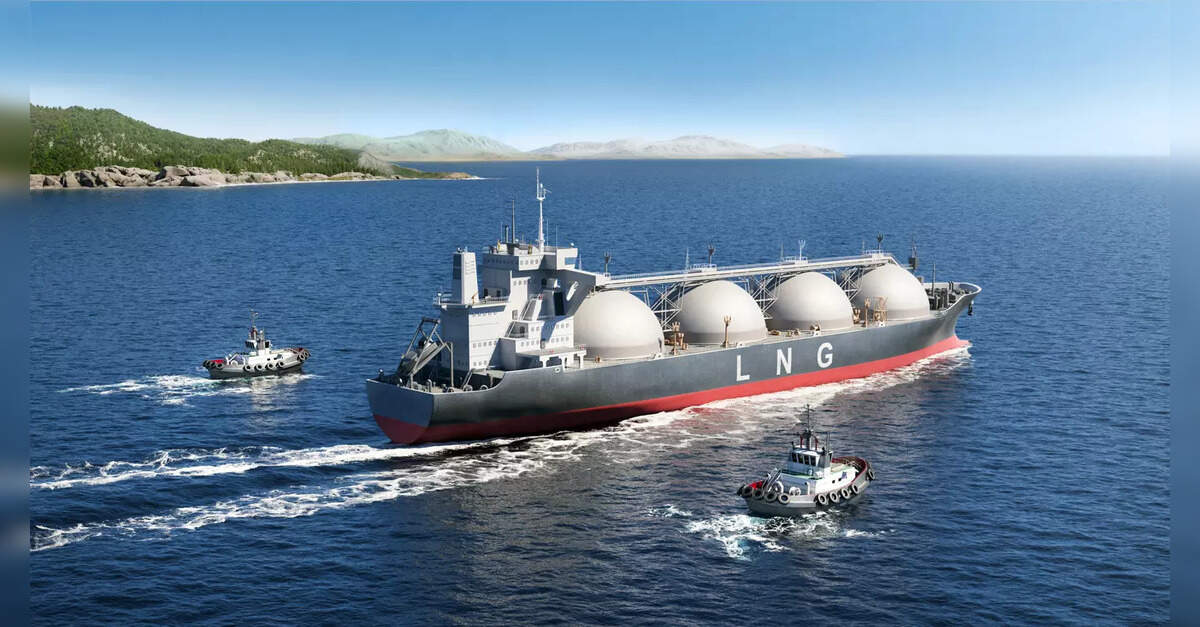
The global energy landscape has been abruptly reshaped by recent geopolitical escalations in West Asia, culminating in a significant disruption to liquefied natural gas (LNG) supplies and a perilous threat to crude oil transit. Qatar’s decision to halt LNG production amidst escalating regional conflict, coupled with Iran’s explicit declaration regarding the Strait of Hormuz, has sent immediate ripples through international markets, particularly impacting energy-hungry nations like India. For investors, this creates a volatile environment demanding astute analysis of supply chain vulnerabilities, geopolitical risk premiums, and the underlying market fundamentals that will dictate commodity prices in the coming months.
Immediate Supply Shock Hits India’s Gas Market
The repercussions of the regional conflict were felt almost instantly in India, the world’s fourth-largest LNG importer. Following Qatar’s suspension of LNG production, major Indian state-owned entities, GAIL (India) Ltd and Indian Oil Corporation, confirmed significant reductions in natural gas supplies to their industrial customers. These cuts, reportedly ranging between 10% and 30%, highlight India’s heavy reliance on Middle Eastern gas. Petronet LNG, the country’s largest LNG importer, has also informed its buyers about constrained cargo availability, signaling a widespread impact across the sector.
This supply shortfall directly translates into higher costs for Indian energy companies. To bridge the sudden gap, firms like Indian Oil, GAIL, and Petronet LNG are expected to enter the spot market. However, with geopolitical tensions already elevated, spot LNG prices, alongside crucial freight and insurance costs, have seen a sharp increase. This dynamic forces Indian companies to choose between paying significantly more for immediate supply or absorbing the economic impact of reduced industrial activity due to gas shortages, creating a challenging operating environment for these energy giants and their downstream customers.
Strait of Hormuz: A Critical Chokepoint Under Threat
Adding a layer of severe complexity and risk to the already fragile energy market is Iran’s declaration regarding the Strait of Hormuz. This narrow waterway is undeniably one of the most critical maritime choke points globally, and its potential closure carries monumental implications for international oil and gas flows. For India specifically, the threat is existential; approximately 50% of its crude oil imports and a staggering 85% of its LPG supplies transit through this strait. Any sustained disruption would not only skyrocket energy prices but also pose a direct threat to India’s energy security and broader economic stability.
The market has already begun to price in this heightened risk. As of today, Brent crude trades at $94.09 per barrel, marking a 0.91% increase for the day, while WTI crude stands at $90.59, up 1.03%. This immediate upward trajectory, despite Brent having trended down by approximately 7% from $101.16 at the beginning of April, underscores the market’s sensitivity to geopolitical flashpoints. The current daily gains demonstrate that while previous pressures might have pushed prices lower, the specter of a Strait of Hormuz closure introduces an entirely new, significant risk premium that can quickly reverse any bearish sentiment. Investors are clearly reacting to the potential for widespread supply disruptions that would impact not just LNG but also crude oil and refined products on a global scale.
Navigating Investor Concerns and Future Price Trajectories
The current confluence of supply disruptions and geopolitical threats has naturally amplified investor anxieties regarding the future of oil and gas prices. Our proprietary intent data reveals a significant uptick in queries from our readers, with many actively asking questions such as “is WTI going up or down?” and seeking predictions for “the price of oil per barrel by end of 2026.” These questions reflect a deep uncertainty and a strong desire for clarity amidst the volatility. The Qatar LNG halt and the Strait of Hormuz threats directly feed into these concerns, suggesting that the path forward for crude and natural gas prices will be anything but stable.
India’s predicament as a major energy importer, dependent on a region prone to conflict, highlights the ongoing challenges of energy security. The need for diversified supply chains and robust contingency plans becomes paramount. For investors, understanding the operational resilience of companies like GAIL and Indian Oil in securing alternative supplies, even at higher spot prices, will be crucial. Furthermore, the long-term implications for global trade routes and the cost of insuring energy shipments will likely persist, impacting profitability across the energy value chain.
Key Data Points and Strategic Outlook for the Coming Weeks
In this environment of elevated geopolitical risk and supply uncertainty, market participants will be keenly focused on upcoming data releases for signs of stability or further volatility. Over the next two weeks, several key events could significantly influence investor sentiment and price discovery. The EIA Weekly Petroleum Status Reports, scheduled for April 22nd, April 29th, and May 6th, will provide critical insights into U.S. crude oil and product inventories, as well as demand trends. Any unexpected drawdowns or shifts in consumption could exacerbate or temper the current geopolitical risk premium.
Further, the Baker Hughes Rig Counts on April 24th and May 1st will offer a glimpse into North American production activity, indicating potential supply responses to higher prices. Perhaps most anticipated is the EIA Short-Term Energy Outlook on May 2nd, which will update forecasts for global supply, demand, and prices, directly addressing the investor question about the “price of oil per barrel by end of 2026.” Investors should monitor these releases closely, not in isolation, but in conjunction with the evolving geopolitical situation in West Asia. Strategic plays may involve evaluating companies with strong balance sheets capable of weathering price volatility, those with diversified global asset portfolios, or those positioned to benefit from increased spot market activity and higher freight rates, should the current tensions persist or escalate further.


