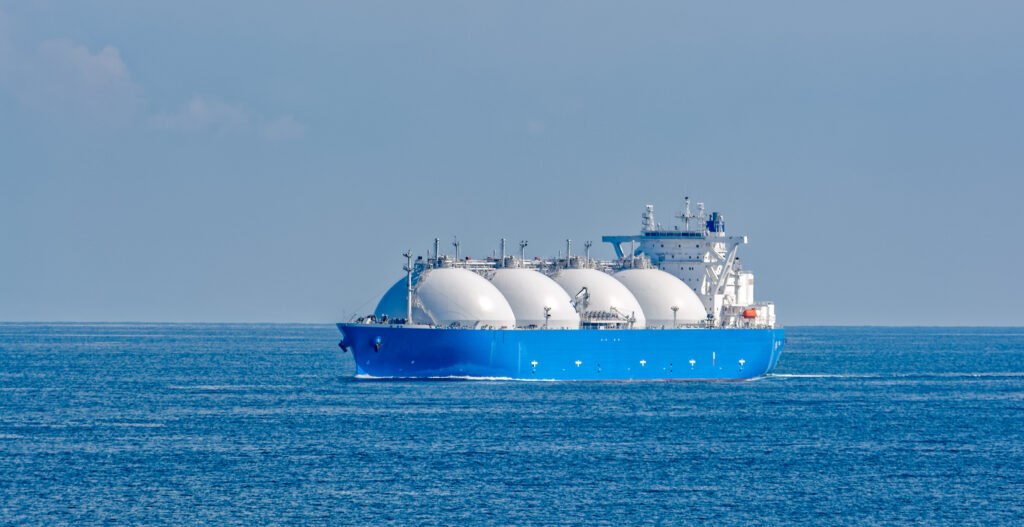
The global energy landscape is once again gripped by profound uncertainty, as escalating geopolitical tensions in the Middle East unleash the most significant disruptions to oil and natural gas markets witnessed since the 2022 invasion of Ukraine. With critical infrastructure like Qatar’s massive LNG export facility and Saudi Arabia’s largest oil refinery temporarily idled, and tanker traffic through the indispensable Strait of Hormuz nearly halted, investors are confronting a rapidly evolving supply picture. While the world previously grappled with an oversupply narrative, the ongoing, multi-week bombardment of Iran, as indicated by President Trump, signals a potential structural shift that could redefine energy market dynamics for years to come. This analysis delves into the immediate market reactions, upcoming catalysts, and the nuanced implications for both traditional fossil fuels and the accelerating clean energy transition, offering an investor-centric view of navigating this volatile period.
Immediate Supply Shock Meets Complex Price Action
The market’s immediate response to the Middle East’s unfolding crisis presents a fascinating study in competing pressures. The abrupt cessation of operations at the world’s largest LNG export facility in Qatar and Saudi Arabia’s biggest oil refinery represents a substantial withdrawal of supply from global markets. Furthermore, the near halt of tanker traffic through the Strait of Hormuz, a choke point through which a significant portion of the world’s seaborne oil and LNG passes, introduces an acute logistical challenge and supply uncertainty. As of today, Brent Crude is trading at $93.93, showing a modest intraday increase of 0.74%, fluctuating within a range of $93.52-$94.21. Similarly, WTI Crude stands at $90.35, up 0.76%, moving between $89.71 and $90.70. These immediate upticks reflect the market’s visceral reaction to the fresh supply disruptions. However, it’s crucial to contextualize this against the broader trend: over the past 14 days, Brent Crude has seen a significant decline, falling from $118.35 on March 31st to $94.86 on April 20th, a drop of nearly 20%. This indicates that while the prevailing sentiment before these events leaned towards an oversupply, the current geopolitical shock is causing a sharp re-evaluation, pushing prices higher in the short term as traders price in heightened risk and tighter prompt supply.
Navigating Uncertainty: Upcoming Catalysts and Investor Concerns
The current environment has undoubtedly heightened investor anxiety, with many asking “is WTI going up or down?” and seeking clarity on “what do you predict the price of oil per barrel will be by end of 2026?” These questions underscore the urgent need for forward-looking analysis in a period of extreme volatility. Our proprietary data indicates a strong focus on price direction and long-term outlooks, reflecting the significant capital at stake. Investors will be closely watching several key events in the coming days and weeks that could provide critical signals. Today, April 21st, marks the OPEC+ JMMC Meeting, where any pronouncements on production quotas will be heavily scrutinized for their potential to alleviate or exacerbate current supply tightness. This will be followed by the EIA Weekly Petroleum Status Report on April 22nd and April 29th, offering vital insights into U.S. crude inventories and refinery activity, which could act as a crucial buffer. The Baker Hughes Rig Count on April 24th and May 1st will provide an early gauge of future domestic production intent. Crucially, the EIA Short-Term Energy Outlook, due on May 2nd, will be a cornerstone for analysts and investors attempting to model end-of-year price trajectories, directly addressing the prevalent reader questions. The duration of the Middle East conflict, projected by President Trump for another four to five weeks, means these scheduled data releases will be interpreted through a lens of extreme geopolitical risk, potentially amplifying their market impact.
The Green Energy Dilemma: A Rorschach Test for Transition
The ongoing energy market turmoil presents a complex, almost paradoxical scenario for the global energy transition. On one hand, higher oil and gas prices inherently make alternative technologies more competitive. Experts like Thijs Van de Graaf of the Brussels Institute for Geopolitics suggest that such price spikes make investments in solar panels, heat pumps, and other solutions that reduce reliance on fossil fuels significantly more attractive. This perspective aligns with the long-term strategic goals of many nations to cut dependence on imported fossil fuels. However, the calculation is far from straightforward. David Hostert of BloombergNEF astutely describes this as a “Rorschach test,” where different stakeholders see different implications. For oil and gas producing nations, it might reinforce the argument to double down on domestic resources. Conversely, nations heavily reliant on imports, particularly in Asia, are already seeking early LNG deliveries from outside the Middle East to cover potential gaps in March shipments, yet simultaneously are compelled to consider the long-term reliability of gas as a transition fuel. The risk of higher energy prices sparking inflation, leading central banks to raise interest rates, could make deploying capital-intensive clean energy projects more expensive. Furthermore, developing countries, while increasingly embracing green solutions, could see government spending tighten, limiting subsidies crucial for nascent clean technologies to compete. This dual challenge of immediate supply security versus long-term energy independence creates a nuanced investment landscape for companies like Repsol, which straddle both traditional and renewable energy portfolios.
Strategic Recalibration and Long-Term Market Reshaping
Beyond the immediate price fluctuations and logistical headaches, the Middle East crisis is poised to fundamentally reshape global energy strategies and investment flows. A prolonged conflict, as suggested by the multi-week bombardment forecast, will force a significant recalibration of national energy policies and corporate investment decisions. For many Asian nations, the vulnerability exposed by losing access to critical oil and gas shipments could accelerate their push towards diversification, potentially even reigniting interest in domestic coal resources as a quick, albeit dirtier, fallback option. Policymakers globally will be weighing the imperative of energy security against the ongoing commitment to decarbonization. The “Rorschach test” extends to national strategic choices: whether to fall back on domestic fossil fuel resources to bolster self-sufficiency, or to aggressively pivot towards electrification and renewables to minimize future import dependency. Investors must recognize that this period of tight supply and heightened geopolitical risk will likely spur significant capital reallocation, favoring companies with robust supply chain resilience, diversified energy portfolios, or innovative solutions for energy storage and efficiency. The confluence of immediate disruptions, forward-looking uncertainties, and the underlying tension between fossil fuel security and clean energy transition creates an investment environment where agility and deep market insight will be paramount.