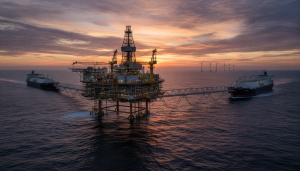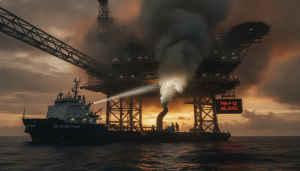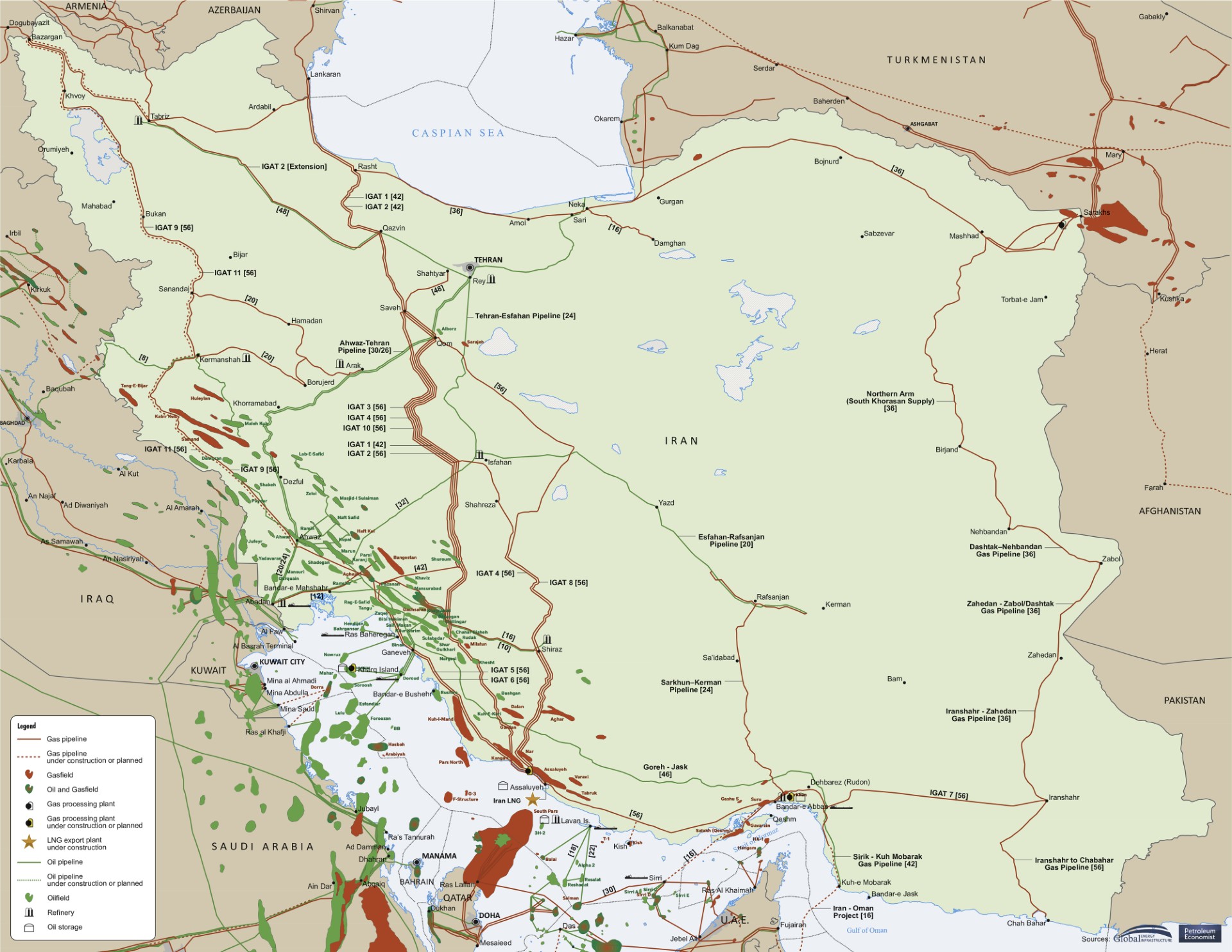
The global energy landscape has been jolted by an unprecedented geopolitical event: the shutdown of QatarEnergy’s Ras Laffan liquefied natural gas (LNG) facility following an Iranian drone attack. This critical infrastructure, responsible for roughly one-fifth of the world’s LNG supply, has been taken offline, immediately triggering a massive surge in European gas prices and sending ripples of uncertainty across global energy markets. For investors, this incident underscores the persistent and escalating geopolitical risks inherent in the energy sector, demanding a swift re-evaluation of supply security, price trajectories, and portfolio resilience in the face of escalating conflict in the Middle East.
The Immediate LNG Shockwave and Broader Market Reaction
The abrupt halt of operations at the Ras Laffan plant represents a significant supply shock for the international LNG market. With QatarEnergy confirming the suspension of output, European benchmark gas futures responded with their largest intraday jump since the energy crisis of 2022, a stark reminder of the region’s vulnerability to external supply disruptions, particularly as inventories are unusually low ahead of summer refilling needs. While Asian nations are the primary buyers of Middle Eastern LNG, any major disruption here intensifies competition for alternative supplies, inevitably driving up prices worldwide. As of today, April 21st, 2026, the broader crude oil market is also reflecting this heightened tension, with Brent Crude trading at $93.93, up 0.74% within a day range of $93.52-$94.21, and WTI Crude at $90.35, also rising 0.76% in a range of $89.71-$90.7. This upward movement in crude, despite the primary impact being on natural gas, highlights the market’s assessment of increased regional risk premium affecting all energy commodities.
Geopolitical Volatility and the Strategic Strait of Hormuz
The attack on Ras Laffan is not an isolated incident but part of a deepening regional conflict. Concurrently, traffic through the Strait of Hormuz, a vital maritime artery through which approximately 20% of the world’s LNG and a significant portion of its oil transits, has dramatically slowed. This slowdown has created bottlenecks and prompted QatarEnergy to declare force majeure on its contractual LNG obligations, indicating the severe operational constraints. The conflict’s scope is widening, with reports of blasts across Israel, Saudi Arabia, Qatar, and the United Arab Emirates as states intercept Iranian missiles. Adding another layer of complexity, Israel recently ordered the temporary closure of some gas-producing capacities, including its largest Leviathan gas field. This latest escalation comes after a period where Brent crude had seen a significant retracement, falling from $118.35 on March 31st to $94.86 just yesterday, April 20th – a nearly 20% decline that is now facing an abrupt reversal as the market reprices geopolitical risk.
Investor Focus: Duration, Mitigation, and Forward Signals
The paramount question for energy investors right now revolves around the duration of this disruption and its long-term implications. Our proprietary data indicates that investors are keenly asking questions such as “is WTI going up or down?” and “what do you predict the price of oil per barrel will be by end of 2026?” The market’s immediate reaction is strong, but sustained impact hinges on how long the Ras Laffan facility remains offline and the broader geopolitical stability. Analysts from major financial institutions suggest that a month-long halt of shipping through the Strait of Hormuz could more than double European gas prices. While the US is boosting its LNG production, with QatarEnergy’s Golden Pass expansion project slated to start in the coming weeks, it will not reach full capacity until next year, limiting its near-term ability to offset Qatar’s massive output. Investors are keenly watching for signals from the upcoming OPEC+ JMMC Meeting on April 21st, where the group’s stance on production in light of renewed geopolitical risk will be critical. Furthermore, the EIA Weekly Petroleum Status Reports on April 22nd and April 29th will provide vital insights into US inventories and production capabilities, which could offer some mitigation to global supply concerns, while the EIA’s Short-Term Energy Outlook on May 2nd will be scrutinized for updated price forecasts.
The Evolving Crude Oil Risk Premium
While the immediate headline impact is on LNG and natural gas prices, the escalating Middle East conflict profoundly affects crude oil markets through the lens of risk premium. The prospect of prolonged instability in a region central to global oil supply has historically led to significant price increases. Even though no direct damage to oil infrastructure has been reported, the threat to critical shipping lanes like the Strait of Hormuz and the general uncertainty around future attacks mean that a substantial geopolitical risk premium is being baked back into crude prices. This shift is particularly notable following the recent downtrend in Brent, suggesting a sharp recalibration of market sentiment. Many investors are now asking about the trajectory of crude prices, particularly WTI, and what the end-of-2026 forecast might look like. The current environment suggests that fundamental supply/demand dynamics are increasingly overshadowed by geopolitical forces, making the duration and intensity of the regional conflict the primary drivers for both crude and natural gas prices in the coming weeks and months.