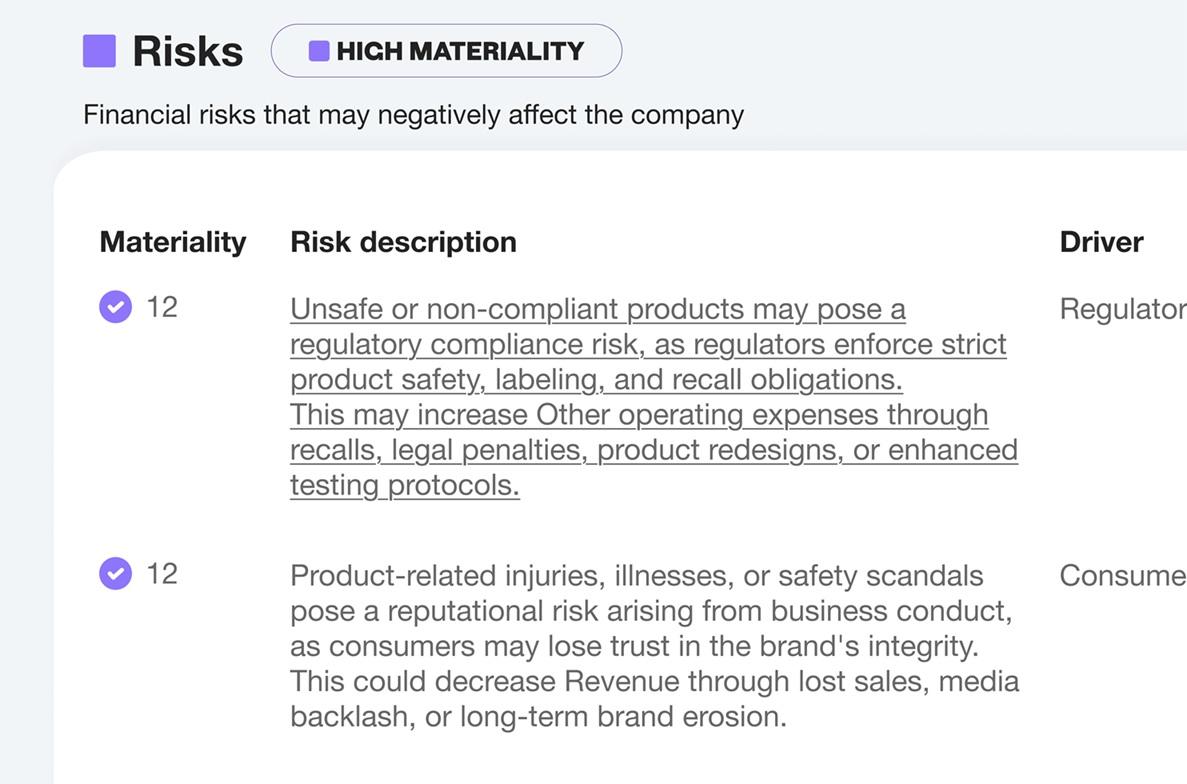
The energy investment landscape is in constant flux, driven by geopolitical shifts, technological advancements, and increasingly, an intensified focus on environmental, social, and governance (ESG) factors. For seasoned oil and gas investors, navigating this complex terrain requires more than just traditional financial metrics. While ESG considerations have moved from the periphery to the core of due diligence, the methodologies for assessing true sustainability impact have often lagged, relying heavily on self-reported data that can miss the forest for the trees. This creates a critical gap, making it challenging to accurately model a company’s genuine sustainability risks and opportunities. However, a significant paradigm shift is underway with the introduction of AI-powered solutions designed to provide an unprecedented, ‘outside-in’ view of a company’s entire value chain, promising a new era of precision in energy investment analysis.
The Evolving Landscape of Energy ESG Data: Beyond Internal Reports
For years, ESG due diligence in the energy sector, much like others, has largely been a game of reviewing internal company disclosures. While valuable, this approach inherently limits visibility, often overlooking critical external factors that dictate a company’s true environmental footprint and social impact. As Annu Nieminen, founder and CEO of Upright, aptly points out, the real make-or-break risks and opportunities frequently reside outside a company’s immediate operations – embedded in the cost of raw materials, the vulnerabilities of supply chains, or shifts in end-use markets driven by evolving regulations. This traditional manual process, focused predominantly on internal operational aspects, often fails to predict how sustainability truly drives financial outcomes. The shift heralded by advanced AI tools represents a fundamental re-evaluation of how we source and interpret ESG data. We are moving towards a future where external, ‘outside-in’ modeling will dominate, potentially inverting the current ratio where internal disclosures account for 90% of sustainability information. Imagine assessing physical climate risk by analyzing satellite imagery and location data rather than relying solely on a company’s self-declaration of resilience. This profound change in data sourcing promises to unlock a deeper, more actionable understanding of sustainability factors that directly influence financial performance within the energy sector.
Navigating Volatility with Precision AI in the Crude Market
The current market snapshot underscores the imperative for granular, AI-driven insights. As of today, Brent Crude trades at $93.93 per barrel, marking a modest +0.74% gain for the day, with WTI Crude at $90.35, up +0.76%. While these daily movements appear positive, a look at the broader trend reveals a stark reality: Brent plummeted from $118.35 on March 31st to $94.86 on April 20th, a significant drop of $23.49 or nearly 20% in just 14 days. This severe volatility highlights the fragility of the market and the constant need for investors to identify underlying risks beyond immediate price action. In such an environment, an AI-powered sustainability due diligence tool becomes an invaluable asset. It moves beyond superficial ESG scores to model the impacts, risks, and opportunities across a company’s products, services, and complex value chain dependencies. For an oil and gas producer, this could mean identifying unforeseen supply chain vulnerabilities to extreme weather events, assessing regulatory exposure for specific end-use products, or understanding the true carbon intensity of their raw material extraction. These are the nuanced factors that traditional reports often miss but can significantly impact a company’s resilience during periods of intense market pressure. By leveraging a company’s URL, investors can gain rapid, comprehensive assessments that directly address these hidden exposures, providing a crucial edge in a market characterized by rapid and substantial price swings.
Proactive Investment in a Dynamic Future: Anticipating Calendar Events
For savvy energy investors, foresight is paramount, and the upcoming calendar is packed with events that could significantly sway market sentiment and company valuations. The ability of AI-powered tools to model future sustainability risks and opportunities becomes particularly potent when viewed through the lens of these impending catalysts. For instance, the OPEC+ JMMC Meeting scheduled for April 21st will be closely watched for potential supply adjustments, which could dramatically impact crude prices. An AI tool that has mapped the deep value chain dependencies of a specific exploration and production company could help investors understand how changes in supply dynamics might interact with that company’s inherent sustainability profile – perhaps identifying producers whose operational efficiency or lower carbon intensity gives them a competitive edge, even amidst production cuts. Similarly, the EIA Weekly Petroleum Status Reports on April 22nd and April 29th, along with the API Weekly Crude Inventory updates on April 28th and May 5th, will provide crucial inventory data. An AI assessment that has highlighted a refiner’s exposure to evolving fuel standards or physical climate risks at its facilities allows investors to interpret these inventory reports with a deeper understanding of potential regulatory or operational headwinds that might not be immediately apparent to the broader market. Furthermore, the Baker Hughes Rig Count on April 24th and May 1st, and the EIA Short-Term Energy Outlook on May 2nd, offer glimpses into future production and market forecasts. By integrating an ‘outside-in’ sustainability analysis, investors can better predict which companies are structurally positioned to thrive or struggle in light of these future trends, especially as global energy transitions accelerate and demand patterns evolve due to regulatory changes or technological adoption. This proactive capability transforms ESG from a compliance burden into a powerful strategic advantage.
Addressing Investor Concerns: Decoding True Value and Risk
Our proprietary reader intent data reveals a clear and consistent thirst for predictive insights among oil and gas investors. Questions like “is WTI going up or down,” “how well will Repsol perform by April 2026,” and “what will the price of oil be by end of 2026” dominate investor inquiries. While no tool can offer a direct crystal ball into future price movements, AI-powered sustainability due diligence provides the underlying data and analytical framework to make more informed predictions about *why* certain companies or segments of the market might outperform or underperform. The traditional approach, often criticized for failing to connect sustainability with financial outcomes, leaves investors guessing. However, by modeling a company’s impacts, risks, and opportunities across its entire value chain, an AI tool can illuminate the specific sustainability factors that drive financial resilience or vulnerability. For example, if a company’s upstream operations are heavily reliant on water-intensive processes in drought-prone regions, an AI assessment can quantify this risk, helping investors understand how such an exposure might affect its long-term viability and, consequently, its share price trajectory. This level of granular, predictive analysis directly addresses the demand for robust data sources and reliable methodologies, which our readers frequently ask about (“What data sources does EnerGPT use?”). By providing a comprehensive, ‘outside-in’ view that covers frameworks like CSRD double materiality, UN SDGs, and EU Taxonomy, these advanced tools empower investors to move beyond mere compliance, enabling them to identify genuine alpha generation opportunities and mitigate substantial hidden risks within their energy portfolios.


