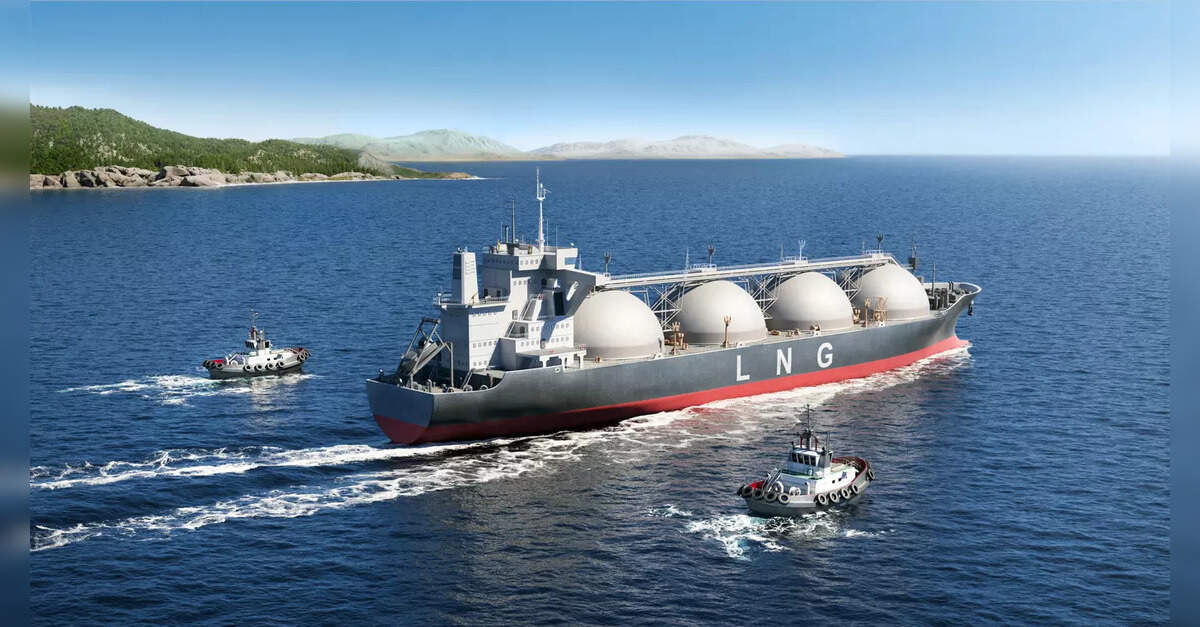
The global energy landscape remains perpetually shaped by geopolitical fault lines, and recent developments in the West Asia region have once again cast a shadow over critical supply arteries. The Strait of Hormuz, a choke point for roughly a third of the world’s seaborne crude and a fifth of its liquefied natural gas (LNG) trade, is experiencing significant disruptions as tanker traffic slows to a near halt. This situation, driven by escalating regional tensions, has prompted countries like India, a major energy importer, to activate contingency plans, including a strategic boost in domestic cooking gas (LPG) production. For sophisticated investors, understanding the immediate market implications, the forward-looking trajectory, and underlying investor sentiment is paramount to navigating this volatile environment.
Geopolitical Risks and Supply Chain Resilience: India’s Proactive Stance
The reluctance of LPG carriers, crude tankers, and LNG vessels to transit the Strait of Hormuz underscores a significant escalation in regional risk. This disruption threatens not only India’s energy security but also global energy supplies, potentially pushing up prices across the board. India, heavily reliant on imports for its energy needs, has responded decisively by instructing its refiners to increase domestic LPG output. This proactive measure aims to cushion against potential supply shortfalls, demonstrating a critical focus on national energy resilience. While the immediate concern is the flow of refined products like LPG, the broader implication for crude and LNG flows through this vital waterway cannot be overstated. Industry executives, speaking under anonymity, have expressed a belief that the disruption is unlikely to persist beyond a week, citing expectations of rapid diplomatic and strategic pressure given the global implications of sustained high energy prices. This sentiment, however, remains a speculative input in a highly unpredictable geopolitical equation.
Current Market Dynamics: A Nuanced Price Reaction to Escalated Risk
Despite the severe implications of the Strait of Hormuz disruption, the immediate market reaction presents a nuanced picture for investors. As of today, Brent crude trades at $93.92 per barrel, reflecting a modest daily gain of 0.73%, within a range of $93.52 to $94.21. Similarly, WTI crude stands at $90.48, up 0.9% for the day, trading between $89.71 and $90.70. While these gains might seem to reflect some pricing-in of the current geopolitical risk, it’s crucial to contextualize them against recent trends. Our proprietary data reveals that Brent crude has experienced a significant downtrend over the past 14 days, falling from $118.35 on March 31st, 2026, to $94.86 on April 20th, 2026 – a substantial reduction of nearly 20%. This broader downward trajectory suggests that while the Hormuz situation introduces upward price pressure, it’s occurring against a backdrop of other market forces, potentially including demand concerns or earlier oversupply perceptions, that have previously driven prices lower. Investors should be cautious not to interpret modest daily increases as a full pricing-in of a prolonged or severe disruption, especially given the significant volatility observed in recent weeks.
Forward-Looking Analysis: Key Events Shaping the Next Fortnight
The immediate future of energy markets will be heavily influenced by a series of critical events over the next 14 days, offering investors vital insights into supply-demand balances and policy direction. Tomorrow, April 21st, the OPEC+ Joint Ministerial Monitoring Committee (JMMC) meeting is scheduled. This gathering holds significant weight as the cartel assesses market conditions and potential production adjustments, which could either exacerbate or alleviate supply concerns stemming from the Strait of Hormuz. Following this, the market will closely watch for the EIA Weekly Petroleum Status Reports on April 22nd and April 29th, alongside the API Weekly Crude Inventory reports on April 28th and May 5th. These reports will provide crucial data on U.S. crude oil, gasoline, and distillate inventories, offering real-time indicators of demand strength and supply levels, particularly against the backdrop of current geopolitical tensions. Furthermore, the Baker Hughes Rig Count on April 24th and May 1st will shed light on North American drilling activity, hinting at future supply trends. A standout event is the EIA Short-Term Energy Outlook on May 2nd, which will provide updated forecasts for global oil and gas markets, offering a comprehensive look at expected prices, production, and consumption. Savvy investors will dissect these releases for any signs of sustained disruption or shifts in fundamental supply-demand dynamics.
Addressing Investor Sentiment: Navigating WTI and Long-Term Price Predictions
Our first-party reader intent data from the past week highlights a clear investor focus on market direction and long-term price stability. A recurring question revolves around the trajectory of WTI crude: “is wti going up or down?” With WTI currently at $90.48 per barrel, the market is grappling with the interplay of immediate geopolitical risk and broader economic fundamentals. The modest daily increase, as noted, suggests cautious optimism or perhaps an underestimation of the Hormuz risk’s potential longevity. However, the significant 14-day decline in Brent crude underscores the inherent volatility and the multitude of factors at play beyond just one event. Another prominent query from our investor community asks, “what do you predict the price of oil per barrel will be by end of 2026?” This question reflects a desire for longer-term clarity amidst short-term turbulence. While specific price predictions are inherently challenging due to unpredictable geopolitical events and evolving global demand, the current situation emphasizes the persistent tail risk associated with critical transit points. Investors should remain vigilant, understanding that while current market pricing reflects immediate sentiment, the potential for rapid repricing exists should the Strait of Hormuz disruption prove more protracted or if OPEC+ decisions diverge from market expectations. The value of timely, data-driven analysis from platforms like OilMarketCap.com becomes even more critical in such uncertain times, as investors seek to understand not just what is happening, but why, and what it means for their portfolios.


