India, the world’s third-largest oil importer, finds itself at a critical geopolitical and economic crossroads, and its decisions are poised to send ripples across global crude markets. Recent developments stemming from a US Supreme Court ruling on presidential emergency powers have introduced significant uncertainty into a proposed trade agreement with the United States. This pact would have seen tariffs on Indian goods reduced in exchange for a commitment to scale back purchases of Russian crude. As state-run refiners in India adopt a cautious stance, largely pausing fresh bookings for Russian cargoes, the market faces a complex interplay of supply shifts, pricing dynamics, and broader geopolitical tensions. Investors are keenly watching how this situation unfolds, particularly given the inherent volatility of crude prices and the strategic importance of India’s energy procurement strategy.
Geopolitical Crosscurrents Reshaping Indian Crude Sourcing
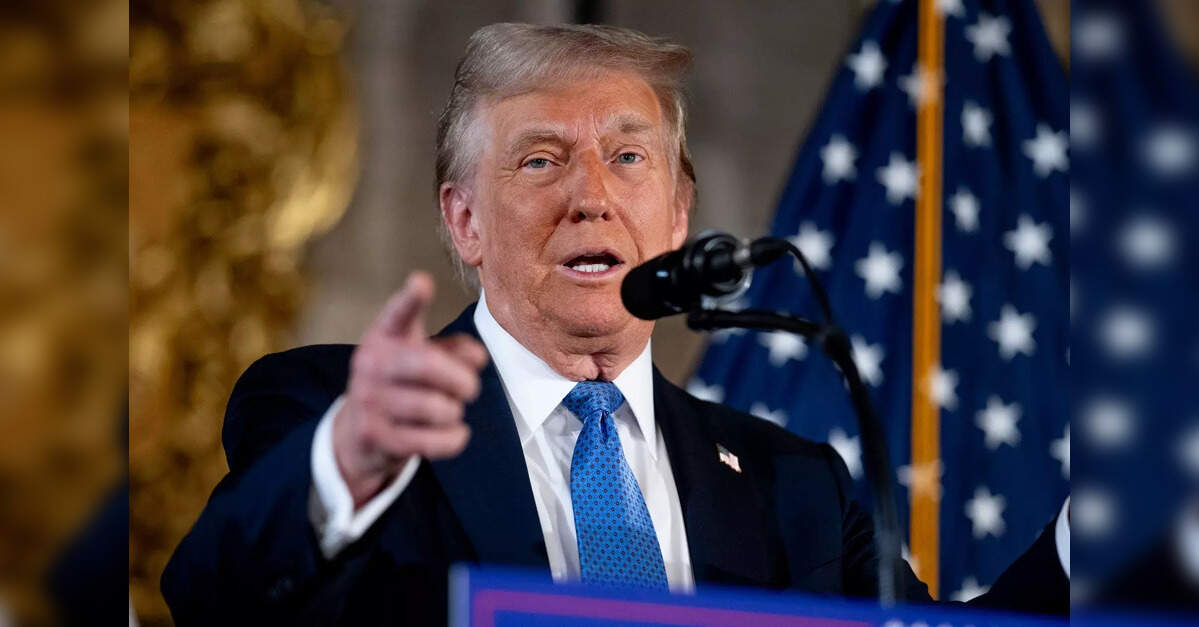
The intricate dance between geopolitical strategy and energy security is on full display as India navigates its crude procurement. A recent US Supreme Court decision, which reportedly curtailed the executive branch’s use of emergency powers to impose tariffs, has injected ambiguity into a potential trade deal with India. This agreement, previously championed by Donald Trump, aimed to lower punitive tariffs on Indian goods from 50% to 18% in return for India curbing its substantial purchases of Russian oil. While Prime Minister Narendra Modi confirmed a broader understanding, specific commitments regarding crude imports have remained conspicuously absent from public discourse.
This policy uncertainty has led Indian refiners, including major players like Indian Oil Corp. and Bharat Petroleum Corp., to largely halt new bookings for Russian crude. This caution follows months of sustained US pressure to reduce reliance on Moscow, a strategy that saw India become a pivotal buyer of discounted Urals crude after Russia’s invasion of Ukraine in early 2022. At its peak, India was importing approximately 2 million barrels per day (bpd) of Russian oil. However, this figure has since tapered, with current imports expected to average around 1.2 million bpd this month – the lowest since November 2022. Projections indicate a further decline to 800,000–1 million bpd in March, with some analyses suggesting an overall drop of as much as 600,000 bpd across March and April. This significant reduction underscores India’s sensitivity to international pressure and the evolving trade landscape.
Market Dynamics: Widening Discounts and Shifting Supply Chains
The immediate impact of India’s cautious approach is already evident in global crude markets. As of today, Brent Crude trades at $93.72 per barrel, marking a 0.51% increase for the day, while WTI Crude stands at $90.21, up 0.6%. While these daily upticks might suggest short-term optimism, investors must consider the broader context: Brent has seen a substantial decline of nearly 20% over the past two weeks, falling from $118.35 on March 31st to $94.86 on April 20th. This significant volatility highlights the sensitivity of prices to shifts in major demand centers and geopolitical sentiment.
The slowdown in Indian buying has left millions of barrels of Russian crude seeking new destinations, with many reportedly floating at sea or being redirected towards China and Singapore. This oversupply of Russian barrels has naturally widened discounts for the Urals grade, which now trades $15–$20 per barrel below Dated Brent. This is a significant increase from the over $10 discount observed at the beginning of February. Indian refiners, in response, have begun issuing tenders for April and May deliveries, increasingly looking to Middle Eastern suppliers to fill the void. While this diversification could reduce reliance on Russia, it simultaneously exposes India to new supply risks in a region characterized by heightened US military presence and ongoing tensions, particularly with Iran. The availability of discounted Russian barrels stored on tankers, however, presents a tempting and relatively quick supply option should India’s government eventually greenlight renewed purchases, potentially adding another layer of price volatility.
Investor Focus: Navigating Price Volatility Amidst Policy Uncertainty
Our proprietary reader intent data reveals a clear sentiment among investors: a strong desire to understand the future trajectory of crude prices. Questions like “is WTI going up or down” and “what do you predict the price of oil per barrel will be by end of 2026?” underscore the prevailing uncertainty. India’s evolving crude strategy is a pivotal factor in this equation. A sustained reduction in Russian imports by India, coupled with a shift towards Middle Eastern crude, could tighten global conventional supplies and potentially exert upward pressure on prices, especially if Middle East supply risks materialize. Conversely, if India eventually resumes significant Russian crude purchases, taking advantage of steep discounts and the ready supply of floating barrels, it could depress global benchmarks as that discounted oil finds a major home.
The current widening of Urals discounts suggests a short-term bearish pressure on Russian grades, but the broader impact on Brent and WTI will depend on the duration and scale of India’s pivot. Investors are also evaluating the implications for specific energy companies, with inquiries such as “How well do you think Repsol will end in April 2026?” indicating a focus on how these macro shifts affect individual stock performance. Companies with significant exposure to either Russian crude trading or Middle Eastern production will experience differing tailwinds or headwinds based on India’s ultimate procurement decisions. The interplay of demand from the world’s third-largest consumer and the supply adjustments by major producers will be a dominant theme for crude market valuations through the remainder of the year.
Upcoming Catalysts: Monitoring Supply, Demand, and Geopolitics
The coming weeks present several key events that investors must closely monitor for further insights into global crude dynamics. Today, April 21st, the OPEC+ JMMC Meeting is taking place. While not a full ministerial meeting, the Joint Ministerial Monitoring Committee’s recommendations or statements can signal potential shifts in the cartel’s production policy, directly influencing global supply balances as India’s demand profile evolves. Any indication of further cuts or adjustments in response to market conditions, including the redirection of Russian barrels, could have immediate price implications.
Additionally, the regular release of US inventory data will remain critical. The EIA Weekly Petroleum Status Reports on April 22nd and April 29th, alongside the API Weekly Crude Inventory reports on April 28th and May 5th, will provide crucial updates on US supply and demand fundamentals. These reports, coupled with the Baker Hughes Rig Count on April 24th and May 1st, will help investors gauge the health of North American production and consumption, indirectly influencing global benchmarks as India recalibrates its sourcing strategy. Finally, the EIA Short-Term Energy Outlook on May 2nd will offer a comprehensive forward-looking analysis of global oil markets, providing invaluable projections for supply, demand, and prices that will undoubtedly influence investor sentiment regarding crude’s trajectory through the end of 2026 and beyond. Continued vigilance on both trade policy developments between the US and India and geopolitical stability in the Middle East will be paramount for informed investment decisions.


