The intricate web of government funding, critical mineral supply chains, and political scrutiny is once again taking center stage, presenting a complex risk-reward matrix for investors in the broader energy and strategic resources sector. Recent developments surrounding Commerce Secretary Howard Lutnick, his former firm Cantor Fitzgerald, and the critical minerals startup USA Rare Earth underscore the escalating political and governance risks inherent in federally-backed initiatives. As the U.S. intensifies its push for domestic control over vital resources, the integrity and transparency of these high-stakes deals are now under a microscope, demanding a closer look from astute investors.
Scrutiny Mounts on Strategic Resource Funding Mechanisms
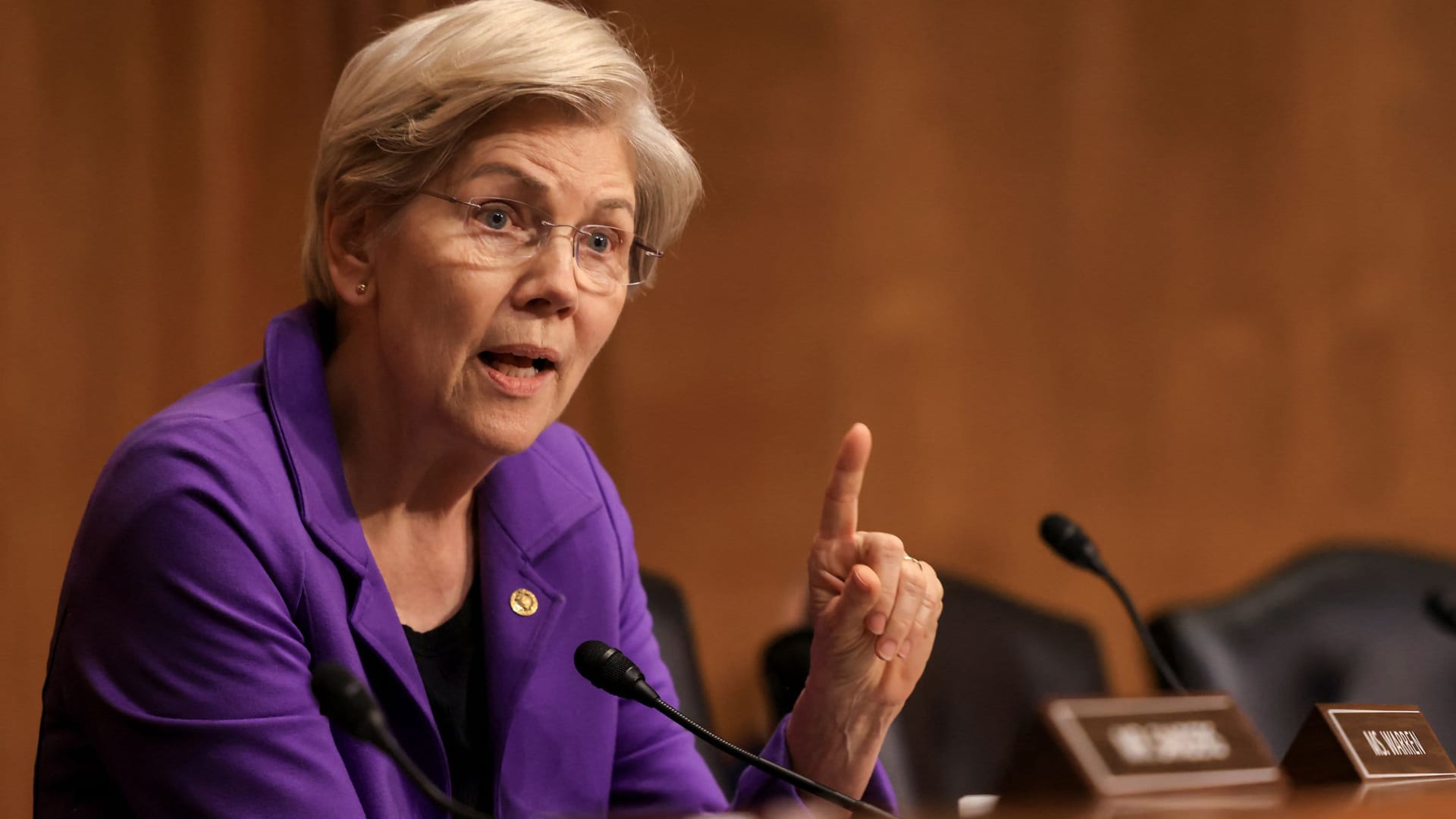
The U.S. government’s commitment to bolstering domestic critical mineral supply chains is a cornerstone of national security and energy transition strategies. This commitment manifested in a significant letter of intent from the Commerce Department to USA Rare Earth, earmarking $1.6 billion in funding to scale up its mining and magnet manufacturing operations. Crucially, this federal backing was contingent on USA Rare Earth securing at least $500 million in private funding. The ensuing fundraising round, which successfully amassed $1.5 billion, saw Cantor Fitzgerald appointed as the lead placement agent. This arrangement, however, has drawn sharp criticism from senators including Elizabeth Warren, Chris Van Hollen, and Ron Wyden, who are flagging potential conflicts of interest due to Secretary Lutnick’s deep ties to Cantor, now led by his sons Brandon and Kyle Lutnick. The senators’ letter, dated February 25, questions whether Lutnick’s immediate family financially benefited from a deal facilitated by the very department he leads. For investors eyeing strategic mineral plays, this probe signals increased regulatory and political risk, suggesting that future public-private partnerships in this vital sector will face heightened scrutiny over their structuring and participant relationships.
Navigating Governance Risks in Government-Backed Deals
At the heart of the senatorial inquiry lies a serious governance concern: the appearance of a conflict of interest. Howard Lutnick stepped down as CEO and chairman of Cantor Fitzgerald last year to assume his Commerce Secretary role, subsequently transferring his stake to his sons and other adult children via trusts. However, the subsequent selection of Cantor, under the leadership of his sons, to raise private capital for USA Rare Earth’s federally supported project has raised eyebrows. Senators specifically highlighted the nature of the transaction as a private investment in public equity (PIPE), where placement agents typically sell discounted shares to a restricted pool of investors for a fee. The concern is explicit: to secure federal funds, USA Rare Earth appears to have paid a firm closely linked to the Secretary’s family for private fundraising services. This situation transcends mere headlines; it introduces substantial political risk and potential reputational damage for all parties involved. For investors, particularly those with a focus on ESG (Environmental, Social, and Governance) factors, such allegations undermine confidence in the fairness and transparency of federal investment programs, potentially impacting the perceived stability and viability of future projects reliant on government backing.
Macro Energy Backdrop & Investor Sentiment Amidst Scrutiny
Against this backdrop of heightened political scrutiny, the broader energy market presents its own set of challenges and opportunities. As of today, Brent crude trades at $93.86 per barrel, reflecting a modest daily increase, yet this figure belies a significant shift in market sentiment over the past two weeks. Brent has experienced a notable decline of $-23.49, or nearly 20%, from $118.35 on March 31st to $94.86 on April 20th. This volatility underscores the precarious nature of the global energy landscape, driven by a confluence of geopolitical tensions, supply dynamics, and demand forecasts. OilMarketCap.com’s reader intent data reveals investors are acutely focused on price direction, with frequent queries about WTI’s trajectory and predictions for crude prices by the end of 2026. While the USA Rare Earth deal doesn’t directly impact crude oil prices, the uncertainty generated by such probes into federal funding can ripple through the entire energy investment ecosystem. A perception of compromised integrity or increased political risk in one segment of strategic energy investment can foster broader investor caution, influencing capital allocation decisions across the board, from conventional oil & gas to the critical minerals essential for the energy transition.
Upcoming Catalysts and Policy Implications for Investors
The coming weeks are packed with key events that will shape the energy market, and investors must consider how these regulatory probes fit into the broader narrative. Tomorrow, April 21st, the OPEC+ JMMC Meeting will offer insights into potential production adjustments, while the EIA Weekly Petroleum Status Reports on April 22nd and April 29th, alongside the Baker Hughes Rig Count on April 24th and May 1st, will provide crucial supply-side data. Looking further ahead, the EIA Short-Term Energy Outlook on May 2nd will offer a critical forecast for global energy markets. While these events directly influence oil and gas prices, the ongoing congressional scrutiny of deals like USA Rare Earth introduces an additional layer of policy risk. Investors must consider that such probes could lead to stricter regulations, more rigorous due diligence requirements, or even a slowdown in the approval process for future federal funding initiatives in critical industries. This potential for a more cautious and oversight-heavy policy environment could delay project timelines and increase compliance costs, directly impacting the risk-adjusted returns for companies operating in the strategic minerals, battery technology, and renewable energy sectors that rely on government support.