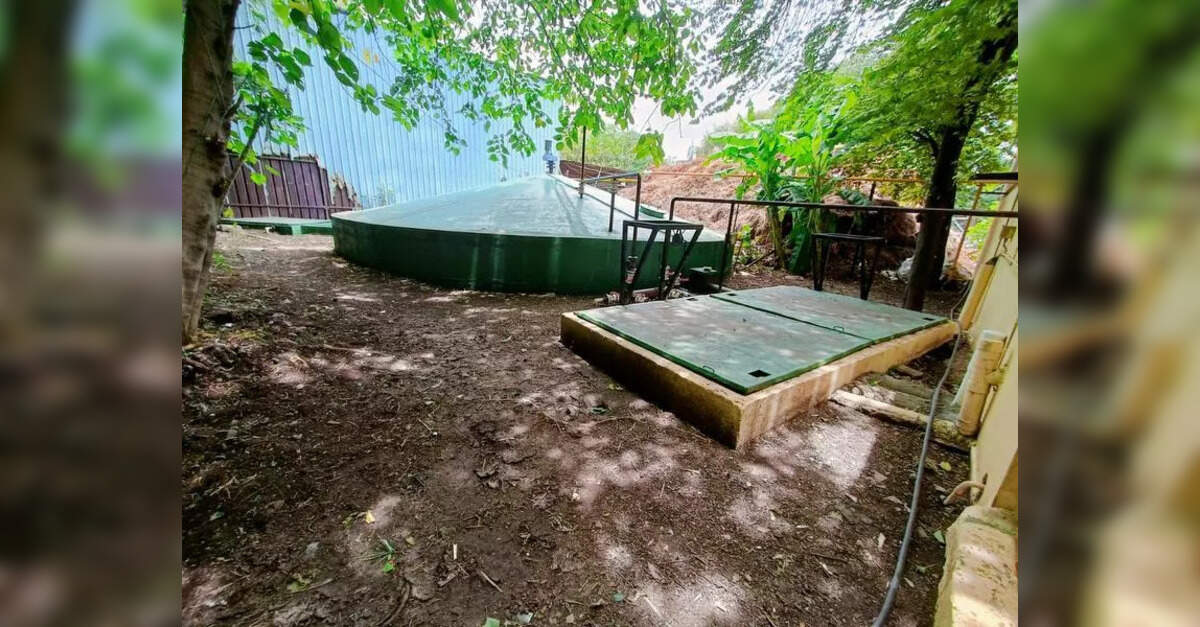
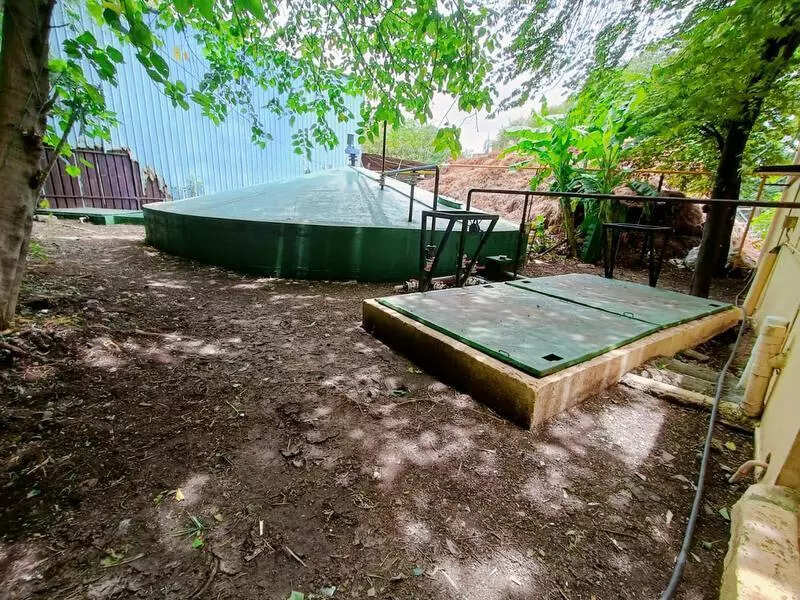
More than a decade after biomethanation plants were introduced in Bengaluru to convert domestic waste into biogas, the ambitious decentralised waste-to-energy model is faltering, with nearly half the units now lying defunct and generating little revenue.
Of the 12 plants established across the city, five are currently non-functional and in urgent need of repairs. These are located in KR Market, Begur, Mangammanapalya, Kuvempunagar and Varthur wards. While the first four have been earmarked for restoration, the Varthur unit is effectively out of the system after the contractor reportedly removed the machinery over unpaid operation and maintenance dues.
Ironically, the upkeep of each plant continues to cost the exchequer about ₹85,000 per month, even though none, except one operated by NGOs, has been able to monetise the biogas produced. Officials of Bengaluru Solid Waste Management Limited (BSWML) admit that the plants are too small in scale to be commercially viable.
Each biomethanation facility was built at a cost of ₹80 lakh, with an additional ₹50 lakh for three years of operations, bringing the cost to ₹1.3 crore per plant. Now, however, the cost of setting up a new plant has risen sharply to about ₹2.5 crore. Two such new plants in Koramangala and Kammanahalli have already been constructed but are yet to be commissioned, while locations are being identified for two more.
Currently operational plants are located at Aramane Nagar, Gandhinagar, Yediyur, Pattabhiram Nagar, Koramangala and Domlur. Each facility is designed to process up to 50 tonnes of wet waste daily, but officials say the energy output remains modest at just 4-5 per cent of the processed waste.
BSWML assistant general manager Santosh Kaddi explained that nearly half of the biogas generated is consumed internally to run the plant itself. “Currently, about 40-50 per cent of biogas generated by a plant is used up in running the plant. This is identified as the captive usage. The rest is used to power streetlights,” he said.
A bigger challenge lies in the absence of infrastructure to store or transport the gas for wider utilisation. Without storage mechanisms, surplus gas often goes to waste. “In some cases, when the generator is faulty, the gas needs to be flared as surplus gas cannot be stored,” Kaddi added.
Koramangala unit earning revenue
The biomethanation plant at Koramangala stands as an exception. The plant was set up under an initiative by the local residents’ welfare association under CSR funds. Saahas NGO undertook the management of the plant, which supplies biogas as fuel to nearby restaurants. The plant collects wet waste from around 10,000 households every day. Som Narayan of Carbon Masters, the agency that operates the plant, said the facility produces five tonnes of biogas per day. “The plant generates a monthly revenue of ₹2.4 lakh by selling biogas to restaurants. This covers the operating costs, including the electricity bill of ₹1 lakh and the labour cost of ₹1.2 lakh,” he said.
New facility by GAIL
A mega biomethanation plant, with a capacity of 300 tonnes per day, is planned in association with Gail (India) Limited. The plant is planned on the Karnataka Compost Development Corporation premises near Hosur Road. “The plant is expected to produce around 10-12 tonnes of compressed bio-gas per day, which will be circulated through the domestic piped natural gas network in the city,” Gail chief general manager Sanjay Kumar Singh told TOI, adding that the process of enrolling a contractor is currently underway.