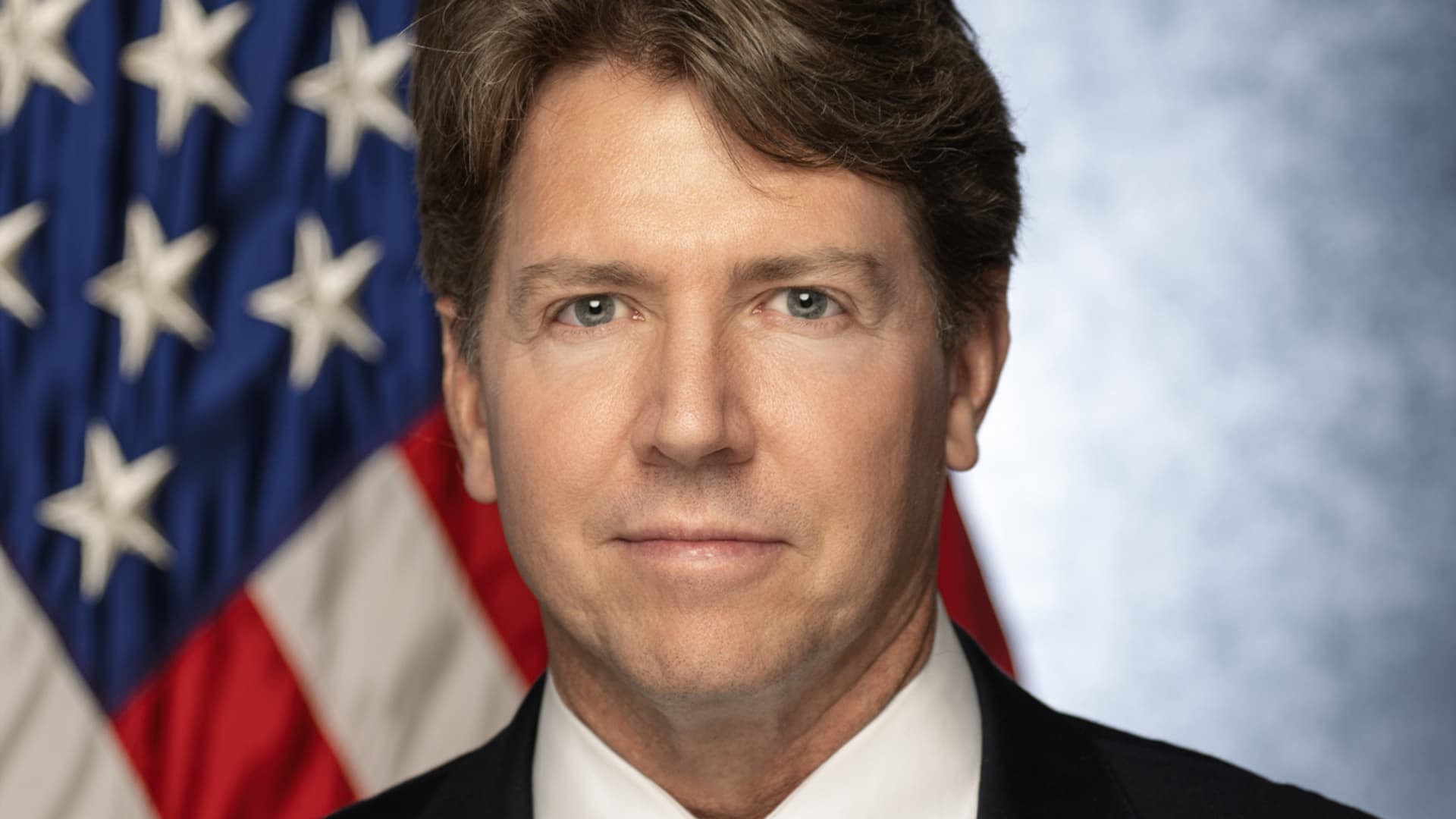
The landscape of U.S. energy policy is undergoing a significant strategic pivot, directly impacting investment opportunities across the sector. At the heart of this shift is the Office of Energy Dominance Financing (EDF), formerly known as the Loan Programs Office, within the Department of Energy. With a staggering $289 billion in loan authority, the EDF stands as the world’s largest energy lender, and its new director, Gregory Beard, is orchestrating a profound reorientation. Beard, a former Apollo executive, joined the EDF as a senior advisor in April 2025 before officially taking the helm on January 29th. His mandate is clear: to align the agency’s vast financial power with the current administration’s goals of energy affordability, reliability, and taxpayer protection, moving away from the preceding focus on solely emissions-reducing projects. This strategic realignment presents both challenges and clear opportunities for investors seeking to navigate the evolving energy complex.
A Fundamental Policy Shift at the EDF
Gregory Beard’s appointment as Director signals a definitive change in how the federal government intends to shape the future of U.S. energy. His tenure began with an immediate and thorough review of loans granted during the previous administration, specifically those approved between Election Day 2024 and the inauguration. This “turnaround job,” as Beard described it, scrutinized over 80% of the Biden-era portfolio, representing an estimated $83.6 billion worth of loans. The outcome was substantial: approximately $30 billion in conditional loan commitments were either canceled or withdrawn by applicants, while another $53 billion worth of loans underwent restructuring. This decisive action underscores a shift from what was largely perceived as a “green bank” mandate to a more expansive vision centered on ensuring robust, affordable, and reliable energy supplies for the nation. For investors, this means a potential redirection of federal support towards projects that bolster conventional energy infrastructure, domestic resource development, and technologies that enhance grid stability, rather than an exclusive focus on renewable-only initiatives.
Market Volatility Meets Policy Realignment
This significant policy shift at the EDF unfolds against a backdrop of considerable market volatility, demanding keen attention from investors. As of today, Brent crude trades at $93.5, marking a notable rebound of 3.39% from its daily lows. Similarly, WTI crude has seen a 2.79% gain, settling at $89.86, while gasoline prices are up 2.96% to $3.12. However, these recent gains follow a substantial correction; Brent crude, for instance, had declined by nearly 20% from $118.35 on March 31st to $94.86 by April 20th. This whipsaw market environment underscores the critical need for energy security and affordability, themes now central to the EDF’s revised mission. The agency’s renewed focus on domestic “energy dominance” through diversified financing, including for projects that enhance reliability and reduce consumer costs, could act as a stabilizing force. Investors should watch for how this policy influences domestic production and infrastructure build-out, potentially mitigating future price swings driven by geopolitical tensions or global supply disruptions.
Addressing Investor Concerns: Where is the Market Headed?
Our proprietary reader intent data reveals a prevalent question among investors this week: “is WTI going up or down?” and broader inquiries about the “price of oil per barrel by end of 2026.” These questions highlight the market’s hunger for clarity amidst uncertainty, and the EDF’s strategic pivot offers a new lens through which to analyze future trends. By actively restructuring and re-evaluating loan commitments, the EDF is signaling a more accommodating environment for projects that enhance domestic energy production and infrastructure resilience. This could translate into a more robust and stable U.S. supply picture, potentially moderating extreme price spikes in the long run. While global factors like OPEC+ decisions will always play a role, increased domestic focus and federal backing for a broader range of energy projects could de-risk investments in traditional oil and gas, as well as critical infrastructure. Savvy investors will be identifying companies positioned to benefit from this renewed emphasis on affordability and reliability, as capital allocation shifts to align with these federal priorities.
Upcoming Catalysts and Strategic Positioning
For investors looking to capitalize on these evolving dynamics, the coming weeks are packed with critical events that will provide further insight. The OPEC+ JMMC Meeting, scheduled for April 21st, will be a key determinant of global supply strategy. Should OPEC+ choose to maintain or reduce output, the EDF’s push for domestic “energy dominance” becomes even more significant, potentially bolstering U.S. production and market share. Domestically, the EIA Weekly Petroleum Status Reports on April 22nd and April 29th, alongside the Baker Hughes Rig Counts on April 24th and May 1st, will offer real-time indicators of inventory levels and drilling activity. These reports will be crucial for assessing the immediate impact of the EDF’s new direction on the ground. Furthermore, the EIA Short-Term Energy Outlook on May 2nd will provide official governmental projections, which investors will dissect for alignment with the renewed focus on affordability and reliability. Strategic positioning now involves evaluating companies with robust domestic asset bases, strong infrastructure development potential, and a clear path to enhancing the affordability and reliability of U.S. energy, aligning with the EDF’s reinvigorated mandate.