The Strait of Hormuz: A Global Chokepoint Under Direct Threat
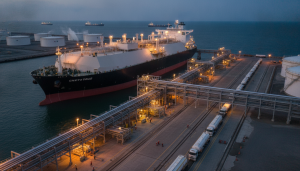
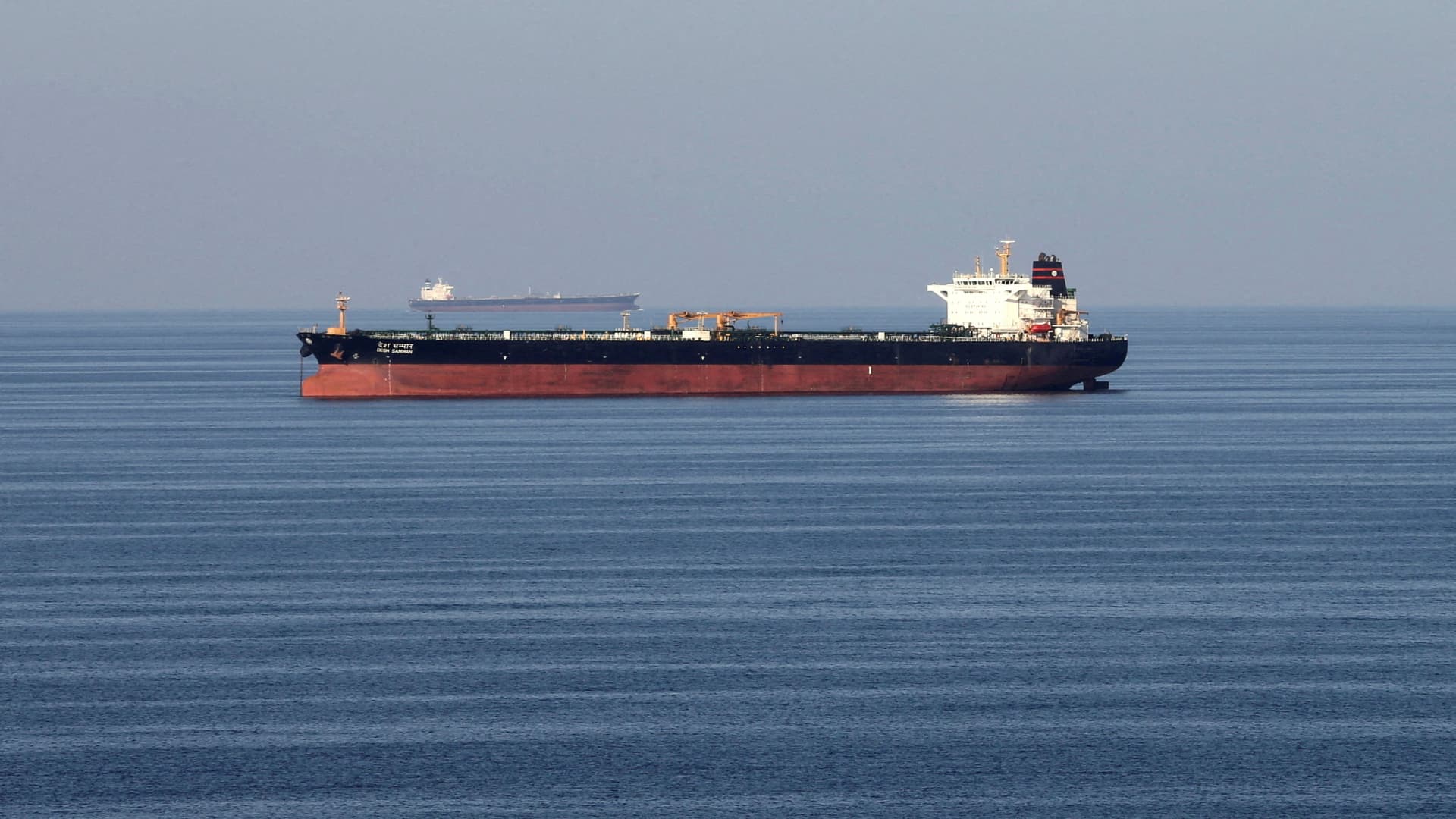
The global oil market is once again confronting acute geopolitical risk as escalating tensions between the United States and Iran place the vital Strait of Hormuz directly in the crosshairs. This narrow waterway, a strategic choke point for international oil trade, sees more than 14 million barrels per day of oil and condensates transit through it on average. According to Kpler’s 2025 data, this accounts for a staggering one-third of total worldwide seaborne oil exports, with approximately three-quarters of that volume destined for energy-hungry economies in China, India, Japan, and South Korea. Any significant disruption here would reverberate across the global economy.
Iran’s Revolutionary Guard has already demonstrated its capability and intent, having partially closed the strait for several hours recently to conduct military exercises. Iranian Navy Rear Admiral Alireza Tangsiri has openly stated that the Guard is prepared to shut down the strait if ordered by the nation’s leadership. Energy strategists, such as Bob McNally of Rapidan Energy, warn that Iran possesses the means to disrupt Hormuz for a far longer period than many market participants currently anticipate. This potential for prolonged closure is exacerbated by Iran’s superior weaponry, advantageous coastline, and vast stockpiles of mines and short-range missiles, posing a far greater threat to commercial shipping than previous disruptions, such as the Houthi militant actions in the Red Sea. In such a scenario, major insurers like Lloyd’s of London would likely refuse to underwrite tankers traversing the strait, effectively halting commercial traffic and creating an unprecedented supply crisis.
Market Volatility and Investor Sentiment Amidst Escalating Tensions
The immediate market reaction to these heightened tensions has been palpable, though it comes against a backdrop of recent price corrections. As of today, April 21, 2026, Brent Crude is trading at $93.86 per barrel, marking a significant gain of 3.79% on the day, with WTI Crude similarly climbing to $90.63, up 3.67%. Gasoline prices also reflect this upward pressure, currently at $3.14, a 3.29% increase. These daily gains highlight the market’s acute sensitivity to geopolitical developments, particularly those threatening major supply arteries.
However, it is crucial to place these gains in perspective. Our proprietary 14-day Brent trend data reveals a substantial decline from $118.35 on March 31, 2026, to $94.86 on April 20, 2026—a drop of nearly 20% ($-23.49) before today’s surge. This indicates that the current rally is a sharp, reactive bounce from a recently bearish trend, rather than a sustained upward momentum. Investors are clearly grappling with the fundamental question of crude’s immediate trajectory, as evidenced by our reader intent data showing a strong focus on whether WTI will rise or fall, and what the long-term price outlook for oil will be by the end of 2026. This uncertainty underscores the challenge of balancing underlying supply/demand fundamentals against sudden, high-impact geopolitical events. Analysts project that a wider conflict could rapidly add $10 to $15 per barrel to oil prices, with a prolonged Hormuz closure potentially pushing Brent above $100 per barrel, triggering demand destruction and a broader economic downturn.
Upcoming Catalysts: Geopolitics Meets Supply Decisions
The coming days and weeks are poised to be particularly critical for oil markets. President Trump’s recent indication that a decision on potential strikes against Iran could materialize within the next week introduces a high-stakes geopolitical deadline. This window directly overlaps with several key energy calendar events that could either amplify or mitigate market reactions.
Tomorrow, April 21, 2026, the OPEC+ Joint Ministerial Monitoring Committee (JMMC) convenes. This meeting is exceptionally timely. If a decisive US action or escalation of rhetoric occurs concurrently, the JMMC will be forced to consider its implications for global oil supply stability. Any signal from OPEC+ regarding potential production adjustments in response to heightened geopolitical risk could significantly sway market sentiment. Furthermore, the EIA Weekly Petroleum Status Reports on April 22nd and April 29th will offer crucial insights into US crude inventories and demand, providing a snapshot of underlying market health. These reports, alongside the Baker Hughes Rig Count on April 24th and May 1st, will reveal shifts in US production activity. The confluence of these scheduled data releases with an unpredictable geopolitical timeline creates a complex environment where fundamental supply-demand dynamics could be overshadowed by strategic decisions originating from Washington or Tehran. Investors should also mark May 2nd for the EIA Short-Term Energy Outlook, which will provide updated official projections under these evolving conditions.
Investment Implications and Navigating Market Risk
The potential for a full-blown conflict carries severe investment implications, extending beyond just crude prices. A prolonged closure of the Strait of Hormuz would not only send oil prices soaring well past the $100 per barrel mark but also trigger a significant global economic downturn. Such a scenario could reshape demand patterns, disrupt supply chains, and impact corporate earnings across various sectors. Some analysts even suggest Iran might calculate that precipitating an economic shock could influence the upcoming U.S. mid-term elections in November, adding another layer of political calculus to the energy market’s volatility.
For investors, this environment demands a vigilant and adaptive strategy. While the allure of potential oil price surges is evident, the downside risks of a global recession must also be heavily weighed. Diversification remains paramount, as does a keen focus on hedging strategies to mitigate exposure to extreme price movements. Monitoring official statements from Washington and Tehran, alongside the responses from key international bodies like OPEC+, will be critical. The market remains caught between the hope for a diplomatic resolution and the stark reality of military escalation. Investors must prepare for either outcome, recognizing that the volatility driven by these tensions will persist until a clear path forward emerges.