The repeal removes the scientific and legal foundation of U.S. climate regulation, dismantling federal vehicle tailpipe emissions standards.
Policy reversal reshapes regulatory risk for automakers, energy producers, and investors while weakening U.S. alignment with global climate frameworks.
Major manufacturers signal continued low emissions transitions despite regulatory rollback, underscoring market and investor pressure beyond policy shifts.
The administration of President Donald Trump has repealed the scientific determination that greenhouse gas emissions endanger human health and eliminated federal tailpipe emissions standards for cars and trucks, marking the most sweeping rollback of U.S. climate policy in decades.
The decision terminates the Environmental Protection Agency’s 2009 “endangerment finding,” a legal cornerstone that enabled federal regulation of greenhouse gas emissions under the Clean Air Act. Without it, the regulatory basis for national vehicle emissions limits collapses, reshaping U.S. climate governance and weakening federal authority to regulate carbon pollution.
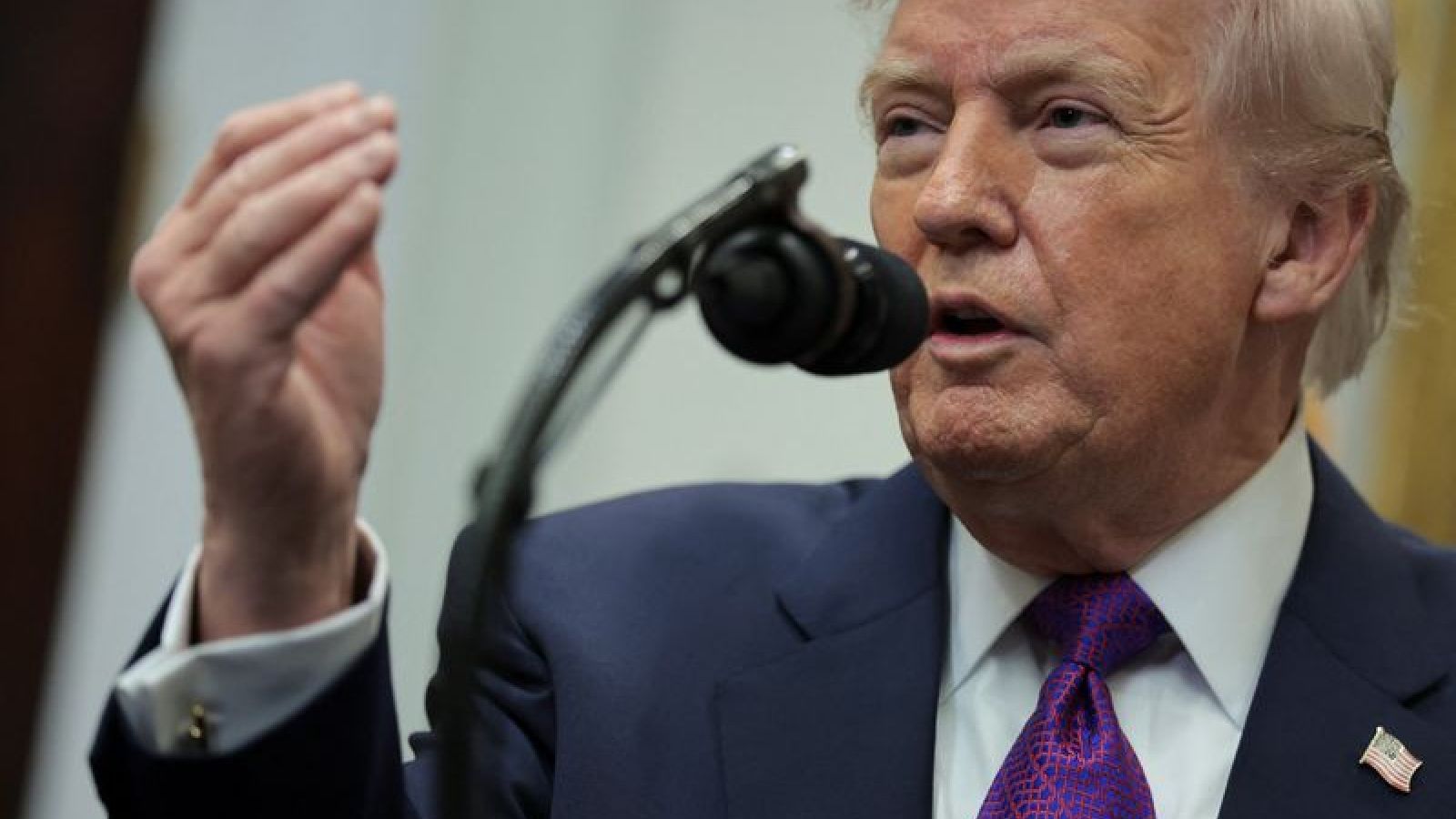
“Under the process just completed by the EPA, we are officially terminating the so called endangerment finding, a disastrous Obama-era policy that severely damaged the American auto industry and drove up prices for American consumers,” Trump said, calling the move “the biggest deregulatory action in U.S. history.”
The administration framed the action as regulatory correction. In a press release, the EPA said the endangerment finding relied on an incorrect interpretation of federal clean air laws intended to address pollutants with local or regional health effects rather than global climate warming.
“This flawed legal theory took the agency outside the scope of its statutory authority in multiple respects,” the agency stated.
Trump announced the repeal alongside EPA Administrator Lee Zeldin and White House budget director Russ Vought, a longtime critic of the finding and a key architect of the conservative policy blueprint Project 2025.
RELATED ARTICLE: New U.S. Climate Initiative Promoting Key Climate-Positive Behaviors Begins in Boston
Governance shift widens gap with global climate frameworks
The repeal deepens the United States’ divergence from international climate efforts. Trump has withdrawn the country from the Paris Agreement, leaving the world’s largest historic contributor to greenhouse gas emissions outside the primary global framework for climate cooperation.
He has also signed legislation eliminating Biden era tax credits designed to accelerate deployment of electric vehicles and renewable energy technologies, reversing industrial policy intended to strengthen domestic clean energy manufacturing.
Former President Barack Obama condemned the decision, warning of public health and climate consequences.
“Without the endangerment finding, we’ll be less safe, less healthy and less able to fight climate change — all so the fossil fuel industry can make even more money,” Obama wrote on X.
Market uncertainty meets long-term industrial transition
The removal of federal emissions standards introduces regulatory uncertainty for automakers, utilities, and investors navigating the transition to low carbon transport. While compliance costs may fall in the near term, fragmented state-level rules and international standards could complicate supply chains and product strategies.
California and other states are expected to maintain stricter emissions frameworks, while Europe and China continue tightening vehicle emissions and electrification mandates. For multinational manufacturers, regulatory divergence raises compliance complexity and capital allocation challenges.
Financial markets are also weighing potential impacts on climate risk disclosures, transition planning, and sustainability-linked financing structures tied to emissions targets.
Automakers maintain low-emissions strategies
Despite the policy reversal, major automakers signaled continuity in their decarbonization strategies.
Volkswagen said its long term transition toward low emission mobility remains intact.
“Regardless of political or regulatory developments, the Volkswagen Group remains committed to its long-term transformation course,” a company spokesperson said. “As a global company, we take specific market conditions into account in our strategic planning and comply with regulatory requirements in all countries.”
The statement reflects broader industry momentum driven by consumer demand, international regulations, and investor expectations tied to net-zero commitments.
What executives and investors should watch
The repeal reshapes the regulatory landscape but does not eliminate transition risk. Corporate decarbonization strategies are increasingly shaped by global standards, supply chain requirements, and capital markets rather than a single jurisdiction’s rules.
Key considerations include potential legal challenges, state level regulatory responses, implications for climate disclosure obligations, and impacts on sustainable finance frameworks tied to emissions performance.
Global implications
The rollback places the United States at odds with major economies pursuing emissions reductions and energy transition strategies. While federal policy may shift, corporate decarbonization pathways remain anchored in global market forces, investor pressure, and technological change.
For multinational companies and capital markets, the divergence reinforces a central reality: climate policy may fluctuate, but the economic transition toward lower emissions systems continues to define long-term competitiveness and risk.
Follow ESG News on LinkedIn


