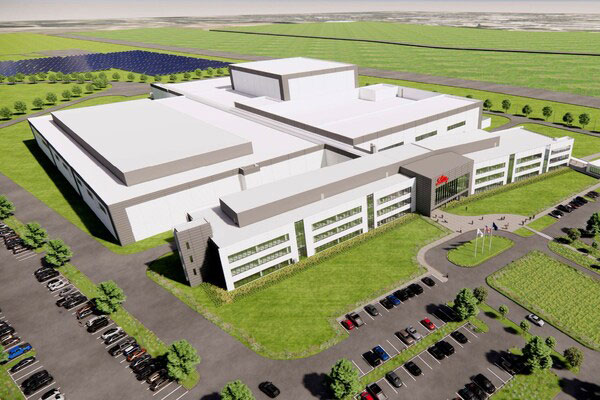
Eli Lilly is planning a $3.5 billion manufacturing plant in Pennsylvania, marking one of the largest life sciences investments ever made in the state.
What’s Related
The new facility will be built in Lehigh County and will focus on making injectable medicines and delivery devices, including treatments tied to the company’s fast-growing diabetes and weight-loss drugs. Construction is expected to begin in 2026, with the facility opening around 2031.
Lilly said the project will create about 850 full-time jobs once the plant is fully up and running, along with roughly 2,000 construction jobs during the buildout.
“This investment helps ensure we can meet the growing demand for our medicines while creating high-quality jobs in the U.S.,” said David A. Ricks, Chair and CEO of Eli Lilly, in the company’s press release. “We are proud to expand our manufacturing footprint in Pennsylvania and to work with state and local partners on this important project.”
The investment is part of Lilly’s larger push to expand manufacturing in the U.S. as demand rises for injectable drugs used to treat chronic conditions. The Pennsylvania site will be one of several new domestic facilities the company has announced in recent years.
State officials described the project as a major economic win. The state of Pennsylvania said it will provide incentive support tied to job creation, workforce training, and long-term economic impact.
“Pennsylvania is competing again and winning again,” said Governor Josh Shapiro. “This historic investment will create hundreds of good-paying jobs and strengthen Pennsylvania’s position as a national leader in life sciences manufacturing.”
The state also plans to invest in workforce development programs to help train workers for roles at the new plant, with an emphasis on advanced manufacturing and technical skills.
Over the past year, Lilly has been on a building spree across the U.S. and beyond. The company announced a $5 billion drug manufacturing plant in Virginia, and revealed plans for a $6 billion API facility in Alabama. Those moves, along with a $6.5 billion manufacturing investment in Houston, show how Lilly is shifting more of its production closer to major markets and securing capacity for key medicines as demand continues to climb.