The Reserve Bank of India kept its benchmark repo rate unchanged at 5.25 per cent on Friday after a bumper week in which the government boosted spending in its budget, and US President Donald Trump announced a trade deal with New Delhi, raising the outlook for economic growth. Another positive development since the last meeting has been the finalisation of the EU-India FTA.
The monetary policy stance was retained at “neutral”, suggesting rates will stay low for some time to come.
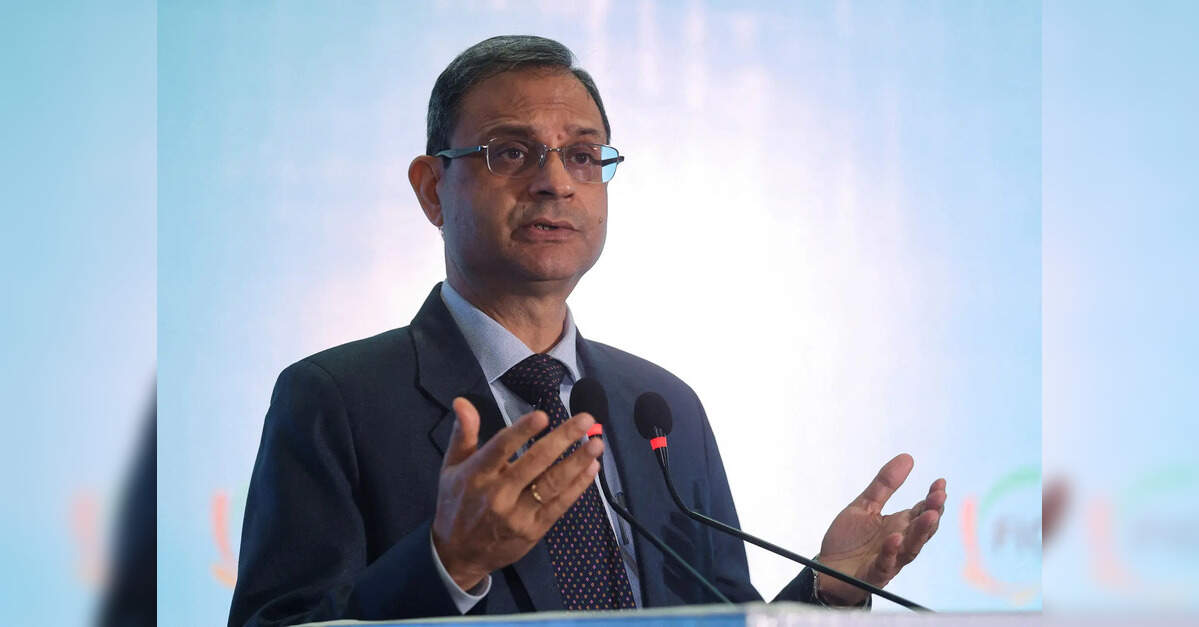
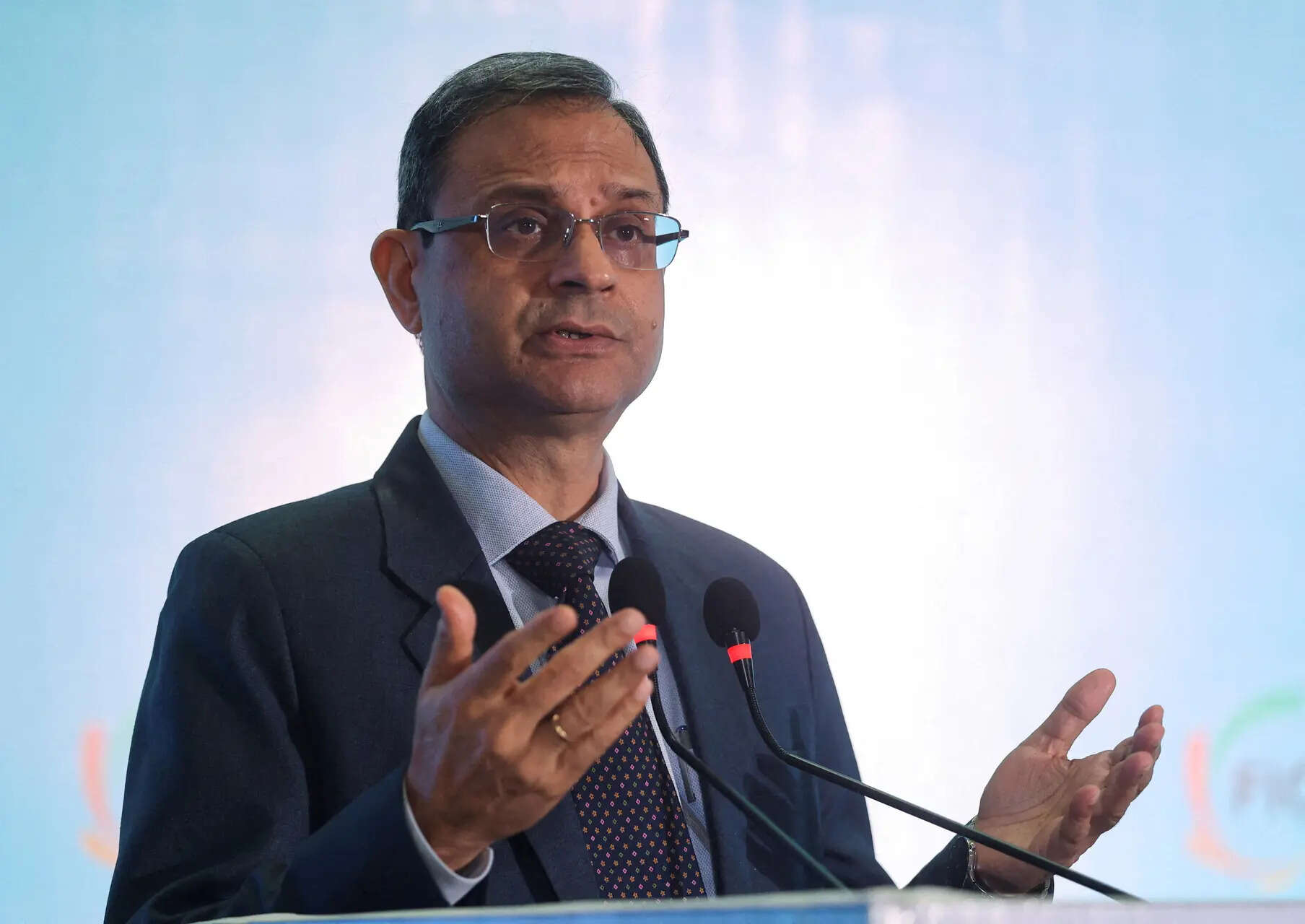
“With the signing of a landmark Free Trade Agreement (FTA) with the European Union and the framework of the India-US trade deal in sight, growth momentum is likely to be sustained for a longer period,” said RBI Governor Sanjay Malhotra while delivering his address.
An ET poll of 15 economists and treasury heads had expected the central bank to maintain the status quo on policy rates.
A breakthrough agreement between Washington and New Delhi, announced earlier this week, includes a reduction in US tariffs on Indian imports from nearly 50 per cent to 18 per cent, easing a key pressure point for India’s economy and markets.
Growth forecast
RBI set its real growth expectation for 2025-26 at 7.4 per cent, signalling confidence in the domestic economy even as external headwinds surrounding trade, and global financial uncertainty persist.
The RBI’s Monetary Policy Committee last pegged real GDP growth for 2025-26 at 7.3 per cent, projecting a moderation in momentum towards the end of the year, with growth seen at 7.0 per cent in the third quarter and 6.5 per cent in the fourth, followed by 6.7 per cent in Q1 and 6.8 per cent in Q2 of 2026-27, as per its December 5 policy statement.
On the growth front, India’s GDP growth is expected to hit 7.4 per cent in the current financial year, and the government’s economic adviser has forecast growth at 6.8-7.2 per cent for next year.
RBI has cut interest rates by 125 basis points since February last year, including a quarter point in December, and indicated that there was scope to cut more if inflation remains soft. However, from sub-1 per cent levels seen in recent months, the central bank sees the retail inflation accelerating to near its 4 per cent target in the first half of the next financial year, starting April.
Inflation forecast
The central bank raised its inflation forecast for FY27, signalling a shift from RBI’s earlier disinflation expectations. CPI inflation has been revised slightly upward, with Q1 and Q2 projections now at 4 per cent and 4.2 per cent, respectively.A new inflation series due February 12 may show inflation climbing slightly as the weight of food, which pulled down headline CPI last year, is reduced.
The Indian economy is in a “Goldilocks phase”, Governor Sanjay Malhotra said at the last policy meeting in December. It had forecast growth for the fiscal year ending March 31 at 7.3 per cent and CPI inflation at 2 per cent.
RBI forex sales strain bond yields amid outflows
While the economy has been strong, the central bank has had to intervene across forex and bond markets amid large foreign outflows from the Indian equity markets up until the trade deal was announced.
The RBI sold $30 billion from its foreign exchange reserves between September and November – according to the latest data available – in turn withdrawing rupee liquidity and adding to pain for the bond markets already under pressure from record government borrowings.
The benchmark 10-year yield has barely fallen over the past year, despite the large rate cuts, keeping funding costs high and limiting the economic benefits of easier monetary policy for borrowers.
The benchmark 10-year yield acts as a signal for the pricing of borrowings for banks and corporates.